Grammarly's $250M Revenue (Slowing Down in 2025?)

Grammarly’s valuation is $13 billion as of 2025. This is the same valuation as in 2021.
What is Grammarly’s Revenue?
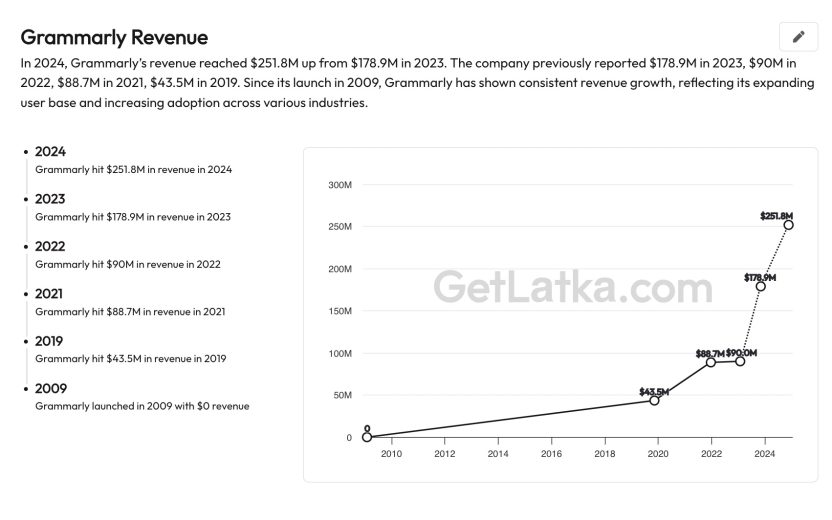
Grammarly’s revenue reached $251.8 million in 2024.
| Year | Revenue |
|---|---|
| 2009 | Launched ($0 revenue) |
| 2019 | $43.5M |
| 2021 | $88.7M |
| 2022 | $90M |
| 2023 | $178.9M |
| 2024 | $251.8M |
Why is Grammarly’s Revenue Dropping?
- Grammarly’s valuation is the same in 2025 as it was in 2021.
- The founder’s net worth has also dropped to $1.9B.
- According to Real Time Billionaires, the founders shares in the company have fallen by nearly 14%
To top it all off, I see a lot of users unhappy…
 So, why is this?
- Increased Competition: The rise of AI tools like ChatGPT and other writing assistants has impacted user demand.
- Stalled Product Innovation: Users cite dissatisfaction with Grammarly’s updates and limited feature growth.
- Market Saturation: Grammarly may be struggling to attract new users or convert free users to paid plans.
- Economic Slowdown: Broader cuts in tech spending and a slowdown in software growth could be affecting revenue.
- Global venture capital investment saw a 35% decline in 2022.
Who is the CEO of Grammarly?
As of January 2025, Shishir Mehrotra serves as the CEO of Grammarly.
Prior to Mehrotra, Rahul Roy-Chowdhury was the CEO Grammarly from May 2023 and now serves as an advisor.
Who Founded Grammarly?

The founders of Grammarly are Max Lytvyn, Alex Shevchenko, and Dmytro Lider.
Who Are Grammarly’s Competitors?
Grammarly main competitors are ProWritingAid, Hemingway, and Ginger.
How Grammarly Went from a Student-Focused Tool to a $13B AI Writing Giant

In 2009, Max Lytvyn, Alex Shevchenko, and Dmytro Lider founded Grammarly with a clear mission: to improve lives by improving communication.
Before Grammarly, the three founders started a plagiarism tool called “My Dropbox”.
Initially, Grammarly was a subscription-based product aimed at helping students enhance their grammar and spelling.
“At some point, you’ve really got to tune out the noise, turn inward, and ask yourself: What do I want to do?” said Rahul Roy-Chowdhury, former CEO of Grammarly.
The founders recognized a common struggle among students to express their ideas clearly and sought to provide a solution that would make writing in English more accessible and effective.
Freemium Model (The Best Way To Grow Revenue)
By 2015, Grammarly had garnered one million active daily users. To further expand its reach, the company adopted a freemium model, offering basic writing assistance for free while providing advanced features through a premium subscription.
This strategic shift not only increased user engagement but also allowed Grammarly to gather valuable feedback to refine its AI algorithms.
Leveraging AI for Advanced Writing Assistance
Grammarly’s commitment to leveraging artificial intelligence has been central to its evolution. In 2019, the company introduced a tone detector, enabling users to tailor their writing to specific audiences by analyzing the tone of their text.
This innovation marked a significant step toward more personalized writing assistance, setting Grammarly apart from other tools in the market.
Achieving Unicorn Status
The company’s consistent growth and innovation attracted substantial investor interest. In 2021, the company raised $200 million in a funding round, elevating Grammarly valuation to $13 billion.
This milestone underscored Grammarly’s transformation from a niche student aid to a global leader in AI-driven communication assistance.
Key Takeaway: Grammarly’s journey from a student-focused tool to a $13 billion AI writing giant exemplifies how a clear mission, strategic adaptability, and continuous innovation can drive remarkable growth in the tech industry.
From Ukraine to Silicon Valley: How Did The Founders Hit a $1.9B Net Worth?
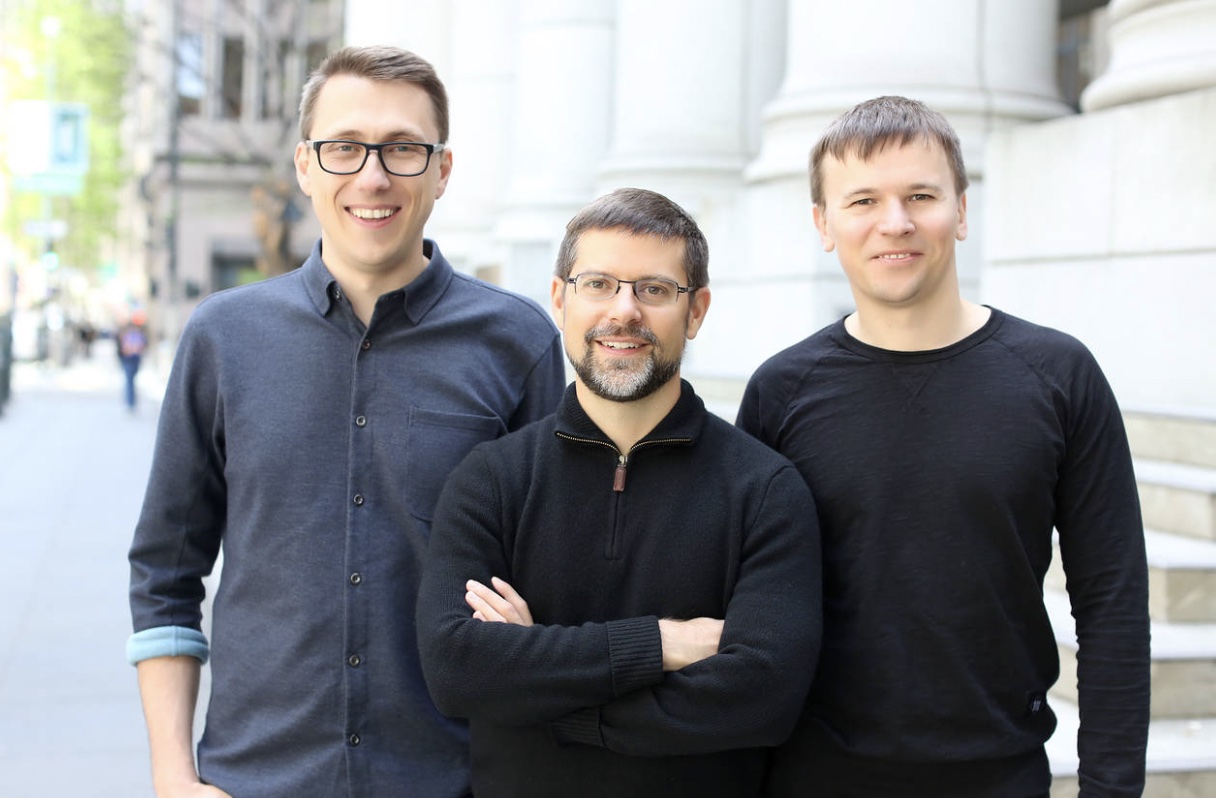
Max Lytvyn, Alex Shevchenko, and Dmytro Lider, three Ukrainian entrepreneurs, set out in 2009 to enhance people’s lives through better communication.
Drawing from their previous experience with MyDropBox, a plagiarism detection service, they identified a pressing need among students and professionals for a tool that could offer real-time writing assistance.
This insight led to the birth of Grammarly, initially targeting students seeking to refine their grammar and writing skills.
Establishing Roots in Ukraine
Grammarly’s early development was deeply rooted in Ukraine, where the founders assembled a dedicated team of linguists and engineers.
This team focused on creating sophisticated algorithms capable of understanding the nuances of the English language. The Ukrainian base provided access to a pool of talented professionals passionate about language and technology, setting the stage for Grammarly’s initial success.
Expanding to North America
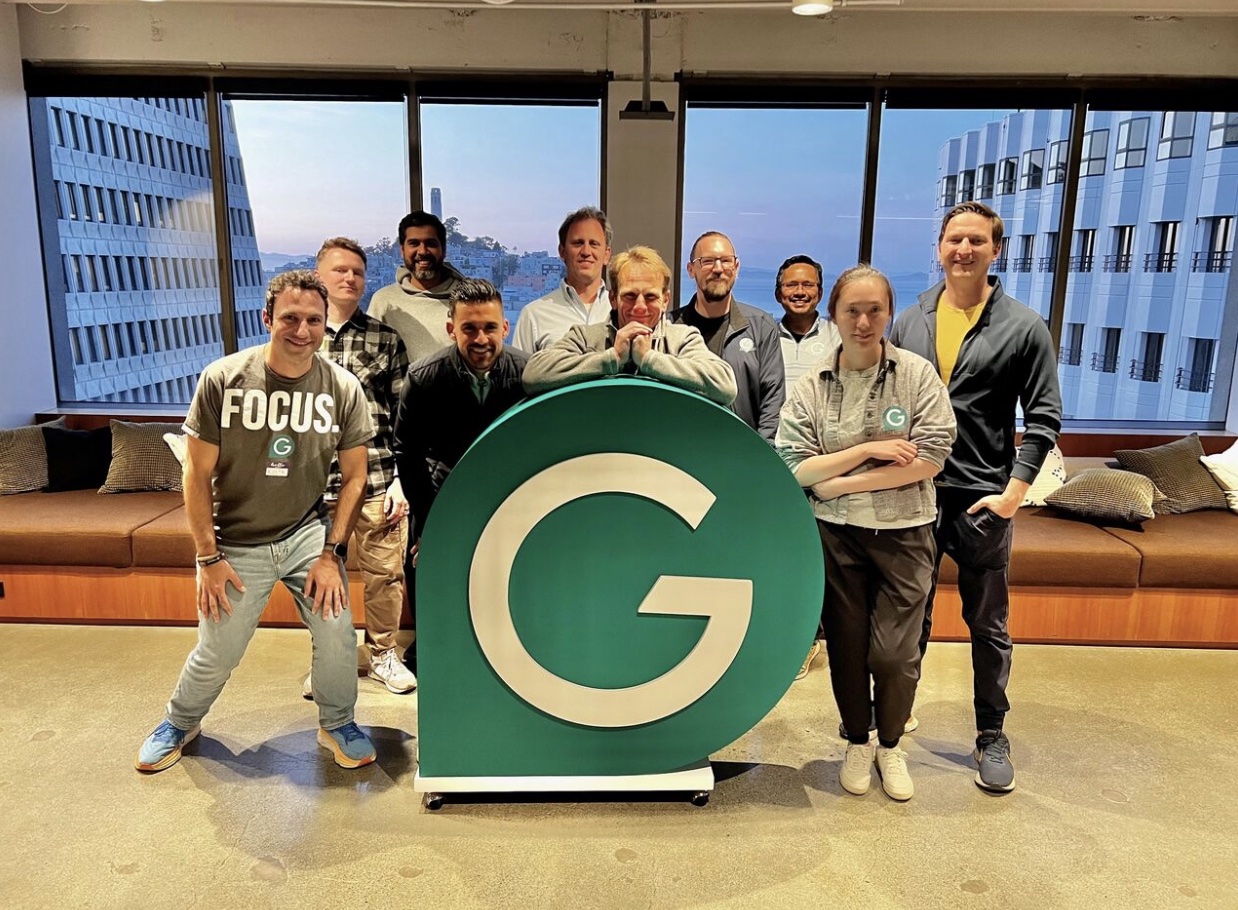
Recognizing the vast potential beyond the Ukrainian market, Grammarly’s founders set their sights on North America.
They established headquarters in San Francisco, a strategic move that placed them at the heart of the tech industry. This expansion facilitated access to a broader user base and opened doors to potential investors and partnerships.
The company’s commitment to improving communication resonated globally, leading to rapid adoption across various demographics.
Achieving Global Recognition
Grammarly’s relentless focus on innovation and user experience paid off. By 2021, the company secured a $200 million investment, elevating its valuation to $13 billion.
This milestone not only underscored Grammarly’s financial success but also highlighted its impact on millions of users worldwide.
The platform’s ability to adapt to diverse linguistic needs and its continuous integration of advanced AI technologies solidified its position as a leader in the writing assistance industry.
Key Takeaway: Grammarly’s journey from a Ukrainian startup to a Silicon Valley powerhouse exemplifies the power of a clear vision, strategic expansion, and unwavering commitment to innovation in achieving global success.
Why Grammarly’s Freemium Model Was the Smartest Revenue Move
Grammarly made a critical move in 2015 that would have a big impact on its future: switching from a subscription-only to a freemium model.
This strategic shift allowed users to access essential writing tools at no cost, while offering advanced features through a premium subscription. By lowering the barrier to entry, Grammarly attracted a vast user base, laying the foundation for exponential growth.
Rapid User Base Expansion
The introduction of the freemium model had an immediate and profound impact on Grammarly’s user acquisition. By 2015, the company had already reached one million daily active users.
This surge was fueled by the accessibility of free features, which encouraged widespread adoption among individuals seeking to enhance their writing without financial commitment. The freemium approach not only democratized access to writing assistance but also created a pipeline for potential premium subscribers.
Conversion to Premium Subscriptions
While the free version of Grammarly provided substantial value, the premium tier offered advanced functionalities such as plagiarism detection, vocabulary enhancement, and genre-specific writing style checks.
This tiered offering enticed users to upgrade, leading to a significant Grammarly revenue stream. The success of this model is evident in Grammarly’s substantial user base and its valuation exceeding $1 billion.
Building Trust and Brand Loyalty
Offering a free version allowed Grammarly to build trust with its users. By providing tangible value upfront, users developed a reliance on the tool for their daily writing needs.
This trust translated into brand loyalty, making users more likely to recommend Grammarly to others and consider premium features.
The freemium model thus served as both a marketing strategy and a revenue driver, creating a self-sustaining cycle of growth.
Key Takeaway: Grammarly’s adoption of the freemium model was a strategic masterstroke that facilitated rapid user growth, increased revenue through premium subscriptions, and established a loyal customer base, solidifying its position as a leader in the writing assistance industry.
How Grammarly’s AI Helped It Achieve $800M in Annual Revenue
Grammarly’s impressive revenue milestone of $251.8 million in 2024 is a testament to its strategic integration of artificial intelligence (AI) into its platform.
“AI is at the heart of everything we do at Grammarly,” said Rahul Roy-Chowdhury, former CEO of Grammarly.
“It enables us to provide real-time communication assistance that is both accurate and contextually aware.”
By continuously enhancing its AI capabilities, Grammarly has not only improved user experience but also expanded its market reach, driving significant revenue growth.
Advanced AI-Powered Features
Grammarly’s commitment to AI innovation is evident in its development of sophisticated features that go beyond basic grammar and spell-checking.
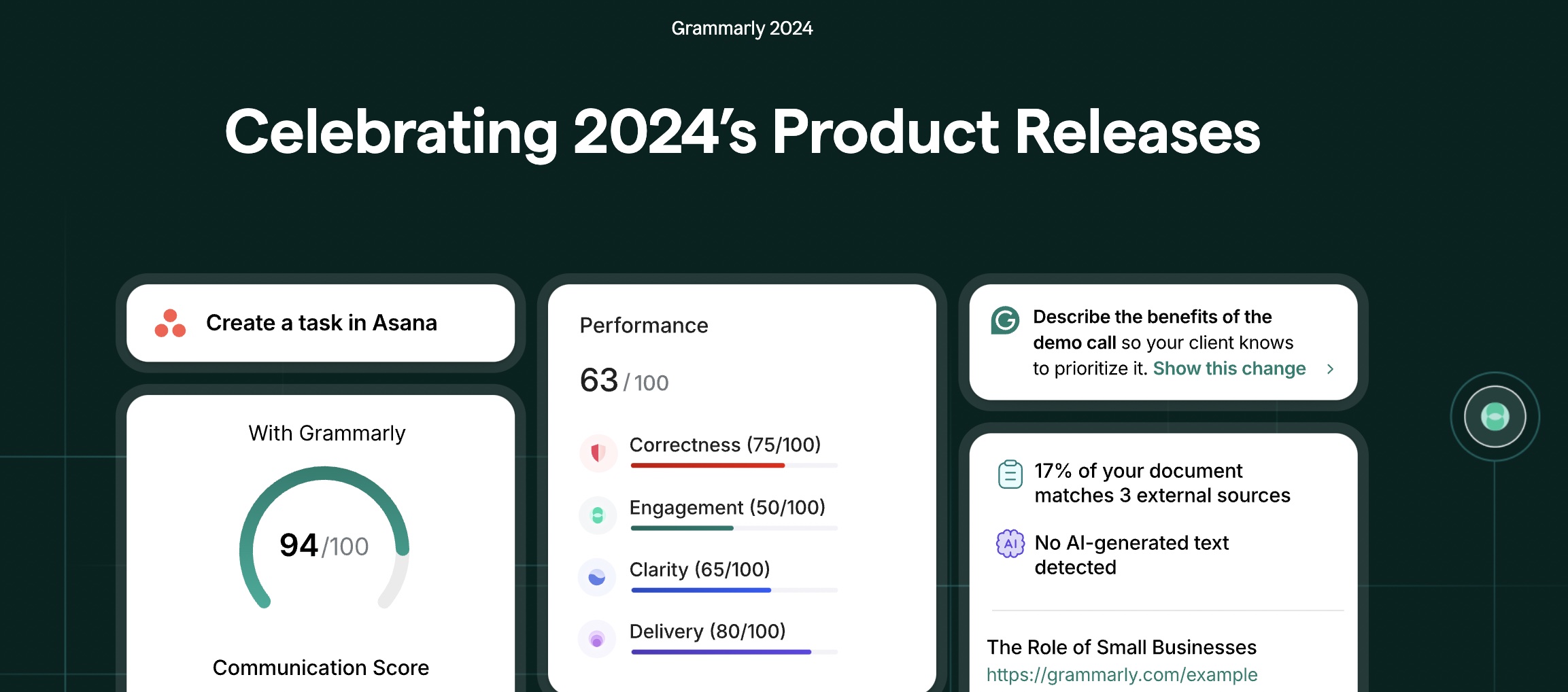
The platform offers real-time suggestions for clarity, engagement, and delivery, helping users convey their messages more effectively.
Additionally, Grammarly’s tone detector assists users in aligning their writing with the intended audience, ensuring appropriate and effective communication. These AI-driven features have made Grammarly an indispensable tool for professionals, students, and businesses alike.
Expansion into Enterprise Solutions
Recognizing the potential of AI to enhance business communications, Grammarly expanded its services to cater to enterprise clients.
By integrating AI-powered communication tools into organizational workflows, Grammarly has helped businesses improve the quality and efficiency of their communications. The introduction of tools to measure the return on investment (ROI) of AI in communication has further solidified Grammarly’s value proposition to enterprises.
These strategic moves have opened new revenue streams and contributed significantly to the company’s financial growth.
Commitment to Continuous Improvement
Grammarly’s success can also be attributed to its dedication to refining its AI algorithms. By leveraging vast amounts of data, the company continually enhances the accuracy and relevance of its suggestions.
This commitment to excellence has not only retained existing users but also attracted new ones, contributing to the platform’s substantial daily active user base.
Key Takeaway: Grammarly’s strategic integration of advanced AI features and expansion into enterprise solutions have been pivotal in achieving $251.8 million in annual revenue, demonstrating the profound impact of AI on business growth.
How Grammarly Went Viral With No Traditional Advertising Budget

Grammarly was started in 2009 with one clear goal in mind: to enhance people’s lives through better communication.
Grammarly, unlike many startups that relied largely on traditional advertising, has taken a unique approach to growth, focusing on product-led tactics and organic user acquisition.
Leveraging a Freemium Model for Organic Growth
Grammarly’s decision to implement a freemium model played a pivotal role in its viral growth.
By offering a free version of its writing assistant, the company lowered the barrier to entry, allowing users worldwide to experience the product’s value without any initial investment.
This approach not only attracted a vast user base but also encouraged word-of-mouth referrals, as satisfied users shared the tool with peers. The freemium model served as a powerful engine for organic growth, converting free users into paying customers over time.
Content Marketing and SEO Mastery
Understanding the importance of online visibility, Grammarly invested heavily in content marketing and search engine optimization (SEO). The company developed a comprehensive blog and resource center, addressing common writing challenges and providing valuable tips.
By targeting specific keywords related to grammar and writing, Grammarly ensured that its content ranked highly on search engines.
This strategy not only drove substantial organic traffic to their website but also positioned Grammarly as an authority in the writing assistance domain.
Strategic Partnerships and Integrations
To further expand its reach, Grammarly formed strategic partnerships and integrations with popular platforms. By making its tool compatible with browsers, word processors, and email clients, Grammarly embedded itself into users’ daily routines.
These integrations enhanced user experience and increased the tool’s visibility without the need for traditional advertising expenditures.
Harnessing the Power of Social Proof
Grammarly effectively utilized social proof to build credibility and trust. By showcasing testimonials, user reviews, and success stories, the company highlighted the tangible benefits of its product.
This approach resonated with potential users, as real-world examples demonstrated the tool’s efficacy.
Additionally, Grammarly encouraged users to share their writing statistics and achievements on social media, further amplifying its presence through user-generated content.
Key Takeaway: Grammarly’s innovative growth strategies, centered around a freemium model, content marketing, strategic integrations, and social proof, enabled it to achieve viral success without relying on a traditional advertising budget.
Grammarly’s Pivot: How It Became More Than Just a Spellchecker
For years, digital writing tools focused solely on catching spelling and grammar mistakes. Grammarly started the same way, offering simple corrections to help users clean up their writing.
But as technology advanced and workplaces became more reliant on digital communication, Grammarly saw an opportunity—people didn’t just need to fix typos; they needed to write with impact.
The company pivoted from being a mere proofreader to a full-fledged AI-powered communication assistant, transforming how professionals, students, and businesses communicate.
From Grammar Checker to AI Writing Coach
Rather than just flagging mistakes, Grammarly began offering deeper suggestions—helping users write with clarity, engagement, and intent. The shift wasn’t just about correcting errors; it was about enhancing communication.
With AI-driven insights, Grammarly started recommending word choice adjustments, sentence restructuring, and even ways to make writing sound more confident or persuasive.
Users could now refine their tone, eliminate unnecessary complexity, and tailor their messages for different audiences, whether they were writing an email, a business report, or an academic paper.
The Business Market Shift—Why Companies Needed More Than Spelling Fixes
Grammarly recognized that businesses had an even bigger challenge: maintaining consistent, professional communication across teams.
In response, Grammarly introduced enterprise solutions, offering team-wide writing analytics, brand voice consistency tools, and integrations with workplace apps like Slack and Microsoft Teams.
Instead of just helping individuals write better, Grammarly started helping entire organizations communicate more effectively. This shift expanded Grammarly’s audience beyond students and freelancers to large corporations, customer service teams, and remote workforces, dramatically increasing its market potential.
The AI Leap—Going Beyond Editing to Content Generation
With the rise of generative AI, Grammarly took another leap forward. It wasn’t just about correcting mistakes anymore—it was about assisting in the entire writing process.
The introduction of GrammarlyGO, an AI-powered writing assistant, allowed users to draft entire documents, generate ideas, and even rewrite content for different tones and audiences.
This move aligned Grammarly with AI-driven trends, ensuring it stayed ahead of competitors while remaining indispensable to users looking to write faster and with more impact.
Key Takeaway: Grammarly’s transformation from a basic spell checker to an AI-powered communication assistant wasn’t just an upgrade—it was a strategic pivot that expanded its audience, deepened its value, and cemented its place as an essential tool for businesses and professionals alike.
Inside Grammarly’s $200M Investment in AI-Powered Writing Assistance

In November 2021, Grammarly secured a $200 million funding round, elevating its valuation to $13 billion.
This significant investment was led by new investors, including Baillie Gifford and funds and accounts managed by BlackRock, among others.
The infusion of capital was strategically aimed at enhancing Grammarly’s artificial intelligence (AI) capabilities to further its mission of improving communication worldwide.
Commitment to AI-Driven Communication
Grammarly has consistently emphasized the importance of AI in refining its writing assistance tools.
The company leverages advanced machine learning and natural language processing techniques to provide users with real-time suggestions that go beyond basic grammar checks, encompassing clarity, engagement, and delivery improvements.
This holistic approach ensures that users can communicate their ideas more effectively and confidently.
Expanding Product Offerings and Integrations
The substantial funding has enabled Grammarly to broaden its product suite and integrate seamlessly across various platforms.By embedding its AI-powered writing assistant into widely used applications and services, Grammarly ensures that users have access to its tools wherever they write.
This strategy not only enhances user convenience but also solidifies Grammarly’s presence as an indispensable tool in digital communication.
Scaling to Meet Growing Demand
With a rapidly expanding user base, Grammarly has directed part of the investment towards scaling its infrastructure.
This includes bolstering its engineering and research teams to continue advancing its AI models and maintaining the reliability and responsiveness that users expect.
By investing in talent and technology, Grammarly positions itself to meet the evolving needs of its diverse clientele.
Key Takeaway: Grammarly’s $200 million investment underscores its dedication to advancing AI-driven writing assistance, enabling users worldwide to communicate more effectively and confidently.
Why 30M+ Users Rely on Grammarly Daily (& How It Drives Revenue)

Grammarly’s ascent to over 30 million daily active users by 2024 is a testament to its commitment to enhancing written communication.
This extensive user base not only underscores the platform’s value but also serves as a cornerstone of Grammarly revenue generation strategy.
The Freemium Model: A Gateway to Premium Conversion
Central to Grammarly’s widespread adoption is its freemium business model. By offering essential writing assistance features at no cost, Grammarly attracts a diverse user base, from students to professionals.
This approach lowers the barrier to entry, allowing users to experience the platform’s benefits firsthand.
As users become more reliant on Grammarly for their writing needs, many opt to upgrade to premium subscriptions to access advanced features such as enhanced grammar checks, vocabulary suggestions, and plagiarism detection.
This transition from free to paid users is a significant driver of Grammarly’s revenue.
Integration Across Platforms: Enhancing User Engagement
Grammarly’s seamless integration with various platforms—including web browsers, word processors, and mobile applications—ensures that users have access to writing assistance wherever they compose text.
This ubiquity not only enhances user convenience but also increases engagement, as users can rely on Grammarly across different contexts. Higher engagement levels contribute to greater user satisfaction and loyalty, which, in turn, support the platform’s monetization efforts.
Enterprise Solutions: Expanding Grammarly Revenue Streams
Recognizing the importance of effective communication in professional settings, Grammarly has developed tailored solutions for businesses and educational institutions.
By offering features that promote consistent and clear communication across teams, Grammarly has attracted over 50,000 professional and enterprise teams to its platform.
These organizational subscriptions represent a substantial and growing segment of Grammarly’s revenue, as companies invest in tools that enhance their internal and external communications.
Key Takeaway: Grammarly’s ability to attract and retain over 30 million daily users through a strategic freemium model, extensive platform integrations, and enterprise solutions has been instrumental in driving its revenue growth and solidifying its position as a leader in the writing assistance industry.
How Grammarly Monetizes AI Without Compromising User Trust

Shishir Mehrotra, the Grammarly CEO, emphasized the company’s dedication to user trust, stating,
“We believe that user trust is paramount, and we are dedicated to maintaining transparency and integrity in all our practices.”
This philosophy underpins Grammarly’s approach to monetizing its AI-driven services while ensuring user confidence remains uncompromised.
Freemium Model: A User-Centric Approach
Grammarly employs a freemium business model, offering a free version with basic writing suggestions and a premium subscription that unlocks advanced features.
This approach allows users to experience the product’s value without initial financial commitment, fostering trust and encouraging upgrades based on demonstrated utility.
By providing substantial functionality at no cost, Grammarly builds a broad user base, some of whom choose to access enhanced features through paid subscriptions.
Commitment to Data Privacy and Security
Central to Grammarly’s strategy is a steadfast commitment to data privacy and security. The company explicitly states that it does not sell user data or allow third parties to access user information for advertising purposes.
Grammarly employs robust encryption and complies with stringent data protection regulations to safeguard user information.
This dedication to privacy ensures that users can trust Grammarly with their writing without concerns about data misuse.
Transparency and User Control
Grammarly upholds transparency by clearly communicating its data handling practices and providing users with control over their information.
Users can manage their data preferences, including opting out of certain data collection practices.
This level of control empowers users to tailor their Grammarly experience to their comfort level regarding data sharing, reinforcing the trust between the platform and its users.
Key Takeaway: By integrating a user-centric freemium model with robust data privacy measures and transparent practices, Grammarly effectively monetizes its AI capabilities while preserving and enhancing user trust.
Scaling a Business: Grammarly’s $13B Valuation Blueprint

In November 2021, Grammarly secured over $200 million in funding, elevating its valuation to $13 billion.
This achievement underscores the company’s strategic growth in the Software as a Service (SaaS) sector.
Freemium Model: Building a Broad User Base
Grammarly’s adoption of a freemium model has been pivotal. By offering essential writing tools for free, it attracted millions of users. This approach allowed users to experience the product’s value firsthand.
As users’ needs evolved, many opted for premium features, driving revenue growth. This strategy not only expanded Grammarly’s user base but also established a steady conversion pipeline.
Focus on AI and Product Innovation
Investing in artificial intelligence has been central to Grammarly’s success. The company continually enhances its AI capabilities to provide advanced writing assistance.
This commitment to innovation ensures that Grammarly meets diverse user needs. By staying ahead in AI development, Grammarly maintains a competitive edge in the market.
Expansion into Enterprise Solutions
Recognizing the demand for effective communication in professional settings, Grammarly expanded its services to businesses. Grammarly Business offers tools that promote clear and consistent communication across teams.
This move opened new revenue streams and solidified Grammarly’s position in the enterprise market. By catering to organizational needs, Grammarly diversified its customer base.
Strategic Partnerships and Integrations
Grammarly formed strategic partnerships to enhance its product’s accessibility. Integrations with platforms like Microsoft Word and various web browsers made Grammarly indispensable.
These collaborations increased user engagement and broadened Grammarly’s reach.
By embedding its tools into popular applications, Grammarly ensured seamless user experiences.
Key Takeaway: Grammarly’s ascent to a $13 billion valuation highlights the effectiveness of a freemium model, continuous AI innovation, enterprise expansion, and strategic partnerships in scaling a SaaS business.
What Founders Can Learn From Grammarly’s Growth Tactics
Grammarly’s journey from a niche writing tool to a $13 billion SaaS powerhouse offers invaluable lessons for founders aiming to scale their ventures.
1. Embrace a User-Centric Design
Grammarly’s rapid growth is largely attributed to its unwavering commitment to user-centric design. The company prioritized creating a seamless and intuitive user experience, ensuring that its writing assistant was both accessible and valuable to a broad audience. By focusing on the needs and preferences of users, Grammarly fostered trust and loyalty, which translated into sustained growth.
- Takeaway for Founders: Prioritize your users’ experience. Develop products that are intuitive and address real pain points, fostering a loyal customer base.
2. Leverage a Freemium Model to Drive Adoption
Grammarly’s implementation of a freemium model allowed it to attract a vast user base by offering essential features for free.
This approach lowered the barrier to entry, enabling users to experience the product’s value firsthand. As users recognized the benefits, many opted for premium features, driving revenue growth.
- Takeaway for Founders: Consider adopting a freemium model to encourage widespread adoption. Offering a free tier can entice users to try your product, with the potential to convert them into paying customers as they seek advanced features.
3. Invest in Content Marketing and SEO
Grammarly built an impressive content marketing strategy, creating valuable resources that attracted and engaged users.
By focusing on search engine optimization (SEO), Grammarly ensured its content reached a wide audience, driving organic growth.
- Takeaway for Founders: Develop a robust content marketing strategy to increase visibility and attract potential customers. High-quality, SEO-optimized content can position your company as an authority in your industry and drive organic traffic.
4. Form Strategic Partnerships and Integrations
Grammarly expanded its reach by integrating with platforms like Microsoft Office and various web browsers. These partnerships made Grammarly’s tools more accessible, increasing user engagement and adoption.
- Takeaway for Founders: Identify platforms and services that complement your product and pursue integrations or partnerships. Such collaborations can enhance your product’s value and expand your user base.
5. Focus on Community Building
Beyond its product offerings, Grammarly cultivated a community-driven phenomenon. By actively engaging with users through educational content and social media, Grammarly nurtured a community of enthusiasts who became passionate advocates for the brand.
- Takeaway for Founders: Engage with your user base beyond transactional interactions. Building a community around your product can lead to organic growth through word-of-mouth and foster brand loyalty.
Key Takeaway: Grammarly’s growth tactics underscore the importance of user-centric design, strategic use of freemium models, robust content marketing, strategic partnerships, and community building. By adopting these strategies, SaaS founders can position their companies for sustained growth and success.
The Leadership Shift: What Grammarly’s CEO Change Means for Growth
In December 2024, Grammarly announced its intent to acquire productivity platform Coda, marking a significant evolution in its strategic direction.
As part of this acquisition, Shishir Mehrotra, co-founder and CEO of Coda, is set to become Grammarly’s new CEO, succeeding Rahul Roy-Chowdhury.
A New Vision for AI-Driven Productivity
Shishir Mehrotra brings a wealth of experience from his tenure at Coda, a platform known for its innovative approach to document creation and collaboration.
His leadership is expected to steer Grammarly toward integrating more deeply with productivity tools, enhancing its AI capabilities to offer users a more cohesive and intelligent writing experience.
This shift aligns with the growing demand for AI-driven solutions that streamline workflows and improve efficiency.
Implications for Grammarly’s Growth Trajectory
Under Mehrotra’s guidance, Grammarly is poised to expand its product offerings beyond traditional writing assistance.
By incorporating Coda’s collaborative features, Grammarly aims to become an all-encompassing productivity platform.
This strategic move is anticipated to open new markets and user segments, fostering accelerated growth and reinforcing Grammarly’s position as a leader in AI-powered productivity solutions.
Commitment to User-Centric Innovation
Mehrotra’s appointment signals a continued commitment to user-centric innovation. His vision emphasizes creating tools that not only assist with writing but also adapt to the evolving needs of users in various professional settings.
By focusing on seamless integration and intuitive design, Grammarly intends to enhance user satisfaction and loyalty, driving sustained growth in a competitive market.
Key Takeaway: The leadership transition to Shishir Mehrotra heralds a transformative phase for Grammarly, with a strategic emphasis on integrating advanced AI capabilities and productivity features to meet the dynamic needs of its users.
The Future of AI Writing: Can Grammarly Maintain Its $800M Revenue?

Grammarly, renowned for its AI-powered writing assistance, has experienced significant growth in recent years.
In 2024, the company reported revenues of $251.8 million, up from $178.9 million in 2023.
While specific figures for 2025 are not publicly disclosed, Grammarly’s trajectory suggests a continued upward trend. However, maintaining and surpassing an $800 million revenue benchmark will require strategic initiatives and adaptations to evolving market dynamics.
Expansion of Product Offerings
To sustain its growth, Grammarly is likely to continue diversifying its product suite. The introduction of features catering to specific industries or professional needs can attract a broader user base.
For instance, developing tools tailored for legal, medical, or technical writing could open new revenue streams.
Additionally, enhancing existing functionalities with advanced AI capabilities will keep the platform competitive and valuable to users.
Focus on Enterprise Solutions
Grammarly’s expansion into enterprise solutions has been a significant growth driver.
By offering tools that promote clear and consistent communication across teams, Grammarly Business has attracted numerous organizations seeking to improve internal and external communications.
Continuing to enhance these offerings and providing customizable solutions for large enterprises can further boost revenue.
Strategic Partnerships and Integrations
Forming strategic partnerships and integrating with widely used platforms can increase Grammarly’s accessibility and user engagement.
Collaborations with platforms like Microsoft Word and various web browsers have already made Grammarly indispensable to many users.
Expanding such integrations, especially with emerging technologies and platforms, will be crucial in maintaining and growing the user base.
Commitment to Data Privacy and Security
In an era where data privacy concerns are paramount, Grammarly’s commitment to safeguarding user information is essential.
Reflecting on the company’s direction, Shishir Mehrotra, the incoming CEO of Grammarly, stated,
“We have a massive opportunity to reinvent productivity as we know it, and Grammarly and Coda can pursue that vision faster together.”
By maintaining robust data protection measures and transparent policies, the company can preserve user trust, which is vital for sustained growth.
Key Takeaway: While reaching and maintaining $800 million in revenue is an ambitious goal, Grammarly’s strategic focus on product diversification, enterprise solutions, strategic partnerships, and data privacy positions it well to achieve continued growth in the evolving AI writing industry.
Sources:
- https://www.youtube.com/watch?v=fcqGZ6JLjuI
- https://www.youtube.com/watch?v=Wg4fsmH7Q5s&utm
- https://www.youtube.com/watch?v=3UvLZkARiTg&utm
- Q&A with Shishir Mehrotra: Uniting Coda and Grammarly
- A History of Innovation at Grammarly
- https://www.forbes.com/companies/grammarly/
- Grammarly raises $200M at a $13B valuation to make you an even better writer using AI
- Grammarly Raises over $200 Million to Empower Effective Communication
- Grammarly Statistics 2025: Users Report & Data
- Grammarly Business Model
- Grammarly Reaches $13B Valuation With New Funding Round to Accelerate Communication Assistance Market Leadership
- A Comprehensive Guide to Finding the Right SaaS Solution for Your Business
- How Grammarly Built A $13B+ Brand Targeting Simple Typos (Source: https://foundationinc.co/lab/how-grammarly-built-13-billion-dollar-brand/)
- Grammarly’s Growth Playbook
- How Grammarly hit $251.8M revenue and 30M customers in 2024.
Recent Articles

How 1Mind Achieved Rapid Revenue Growth with AI-Driven Sales Solutions
The journey of 1Mind, under the leadership of CEO Amanda Kahlow, is a remarkable testament to the power of innovative…

How Rev Grew to $10M Revenue Using AI and Strategic Expansion
In the ever-evolving landscape of the automotive repair industry, Rev has positioned itself as a pivotal player, thanks to the…

How Test-Company Achieved $1M ARR and Expanded to 100 Employees
Test-company has emerged as a significant player in the ‘Other Agency’ industry, achieving impressive growth milestones such as reaching $1…