How to Sell Your Company for $60M (From a Founder Who Did It)

- 2008: RJMetrics Launched
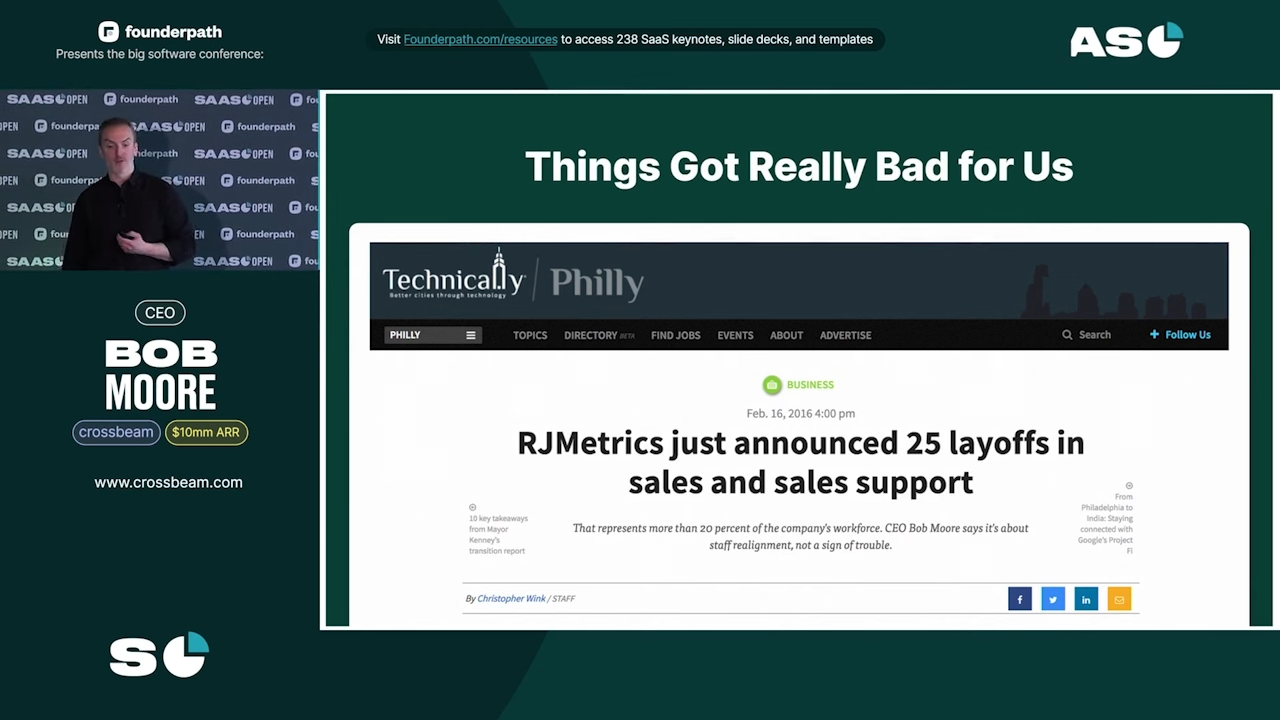
- 2016: RJMetrics Acquired by Magento (Pipeline Pivoted to “Stitch”)
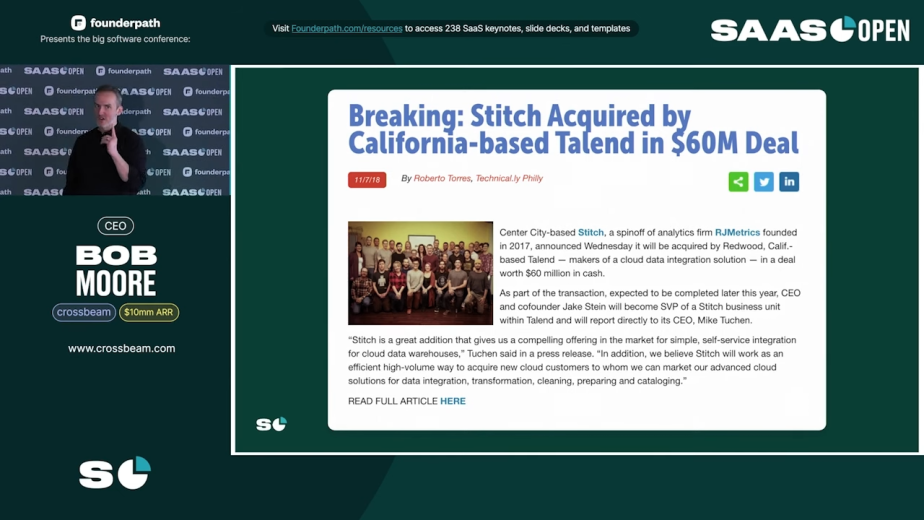
- Spring 2018: Stitch Took 20 Months to Get Where RJMetric was After 8 Years
- Fall 2018: Stitch sold for $60M to Talend
- 2019: Crossbeam Launches
- 2024: Crossbeam achieves $10M ARR
How RJMetrics Nearly Missed The Boat
Navigating the SaaS landscape is akin to steering a ship through turbulent waters. Bob Moore, CEO of Crossbeam, knows this all too well. His journey began in 2008 with the launch of RJMetrics, a business intelligence tool aimed at revolutionizing data analytics. Moore, alongside co-founder Jake Stein, envisioned a platform that would extract data from production systems, store it in a centralized warehouse, and provide a robust reporting interface for analytical queries.
The timing, however, couldn’t have been worse. The financial crisis hit just as they quit their jobs to start the company, leading them to bootstrap their way through the early years. “We found ourselves out in this market where we had planned to raise venture dollars. We got nothing,” recalls Moore. Undeterred, they persevered, scraping together funds and iterating their product to find a niche audience willing to invest in their vision.
By 2011, RJMetrics began to find its footing, but the competitive landscape was rapidly changing. The SaaS market was heating up, with significant players like Domo and GoodData raising substantial funds and scaling aggressively.
“We raised about $25 million between 2011 and 2014, but our competitors were raising $100 million or more. The influx of capital made it difficult to compete on the same scale.”
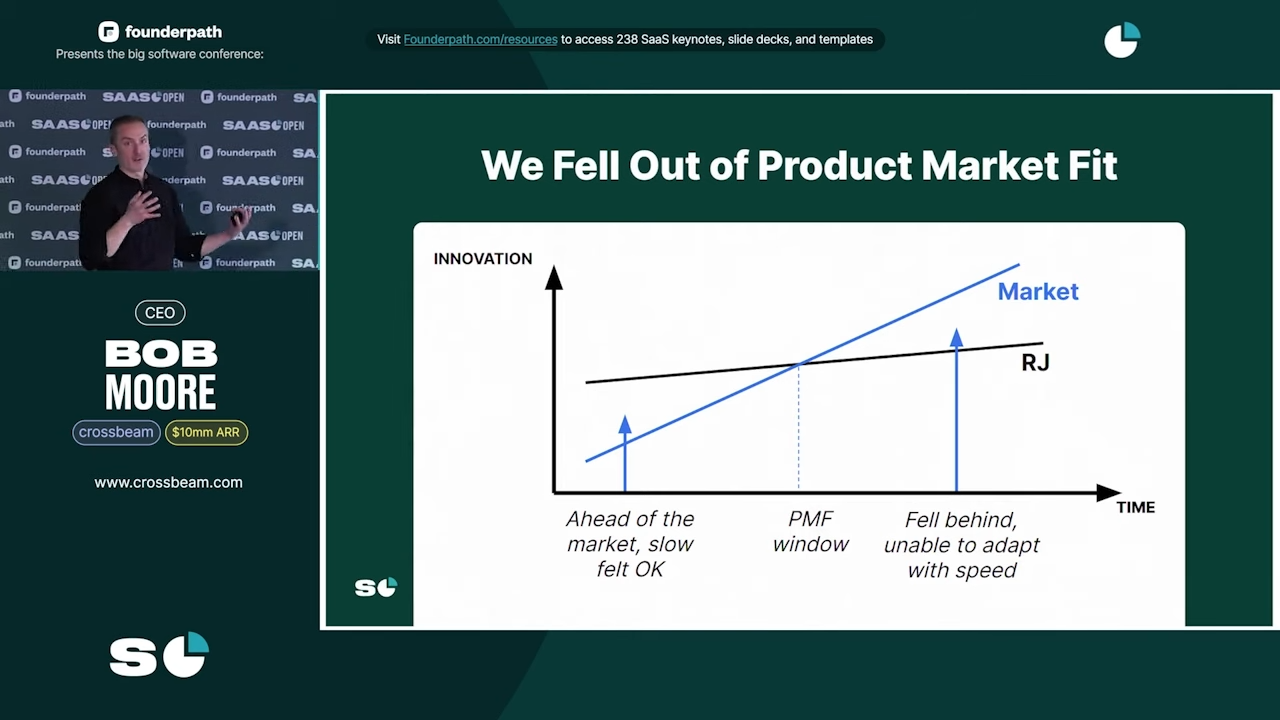
The real game-changer came with the launch of Amazon Web Services’ Redshift. This scalable, cloud-based data warehouse outperformed RJMetrics’ own solution by a significant margin. “Redshift was like our middle product, only 100 times better,” says Moore.
As customers flocked to this new, superior option, RJMetrics found itself struggling to maintain its market position.
The Pivot to Stitch ($60m Sale)
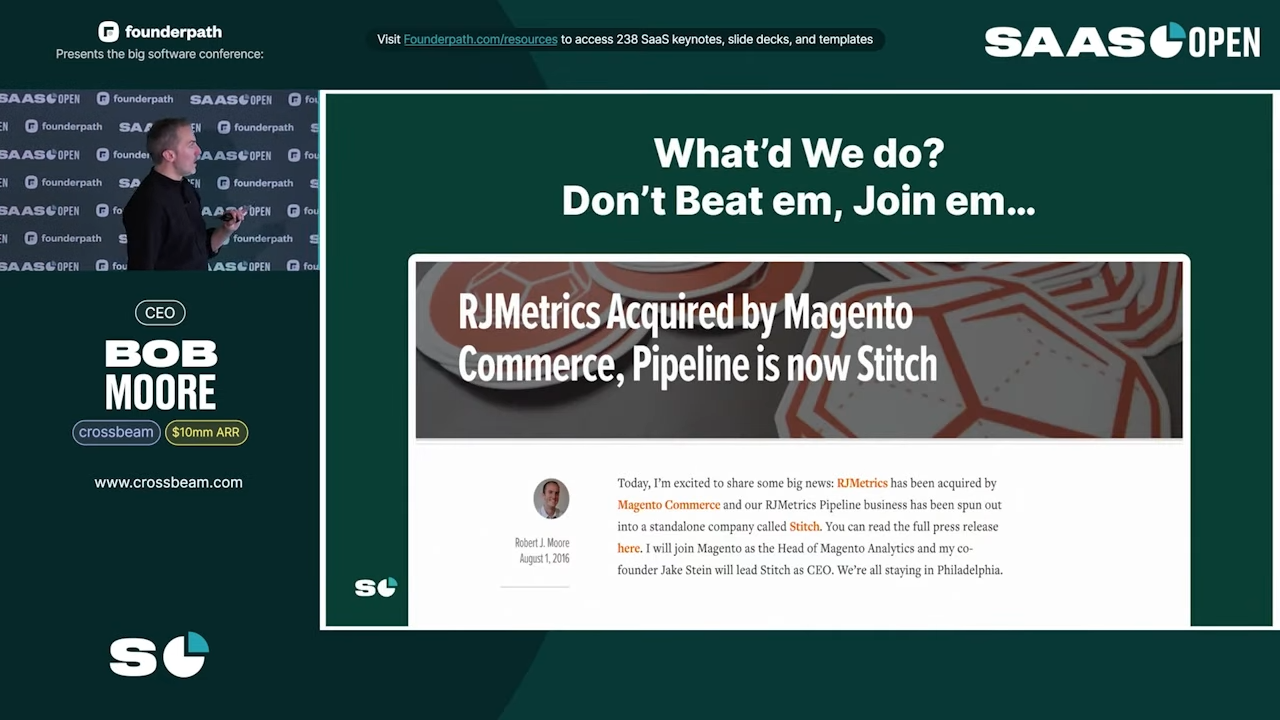
Recognizing the need for a strategic pivot, Moore and his team decided to reimagine their approach. The initial step was to negotiate a deal with Magento, a leading e-commerce platform. “We entered into a deal to be acquired by Magento, but we negotiated to keep 20 employees and the IP that allows us to pull in data from various sources that RJMetrics had developed.”
With this foundational support, Moore and his team launched Stitch, a data integration tool designed to fit seamlessly into the modern data stack paradigm.
“We saw that the market was moving towards interoperable stacks of software. Stitch was our answer to that shift.”
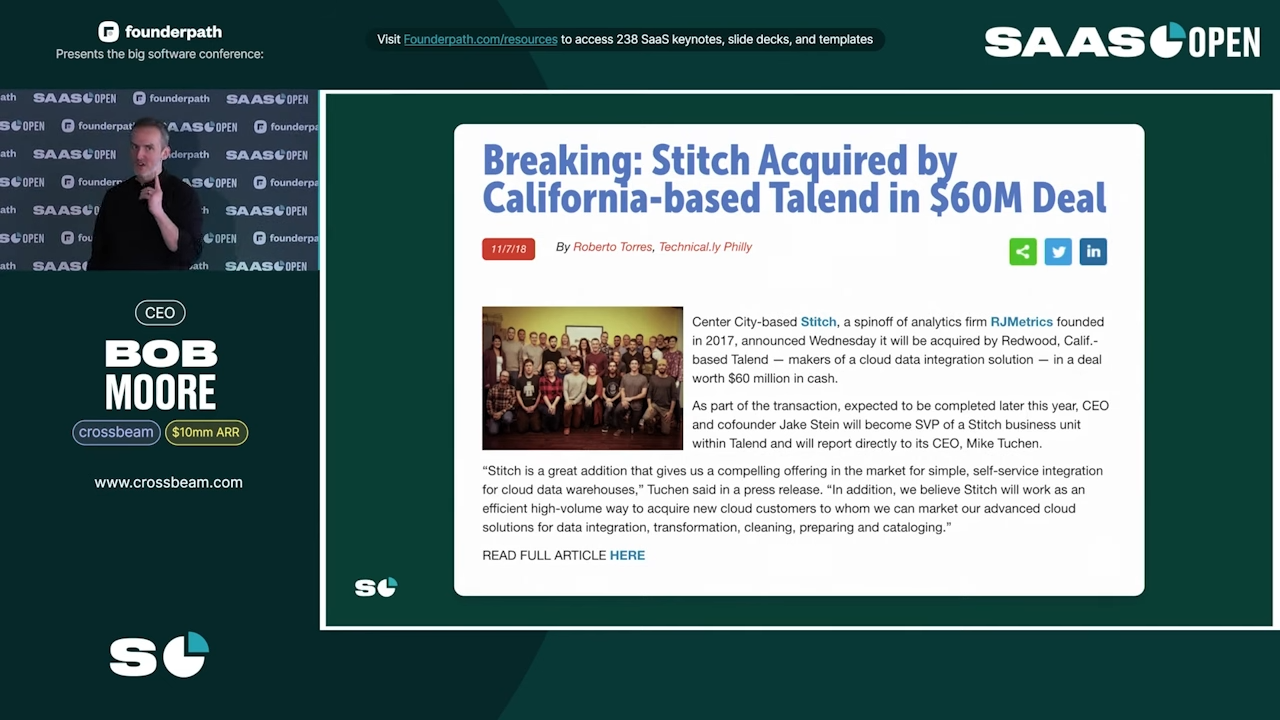
Stitch quickly gained traction, addressing the growing need for efficient data integration. “We went from being a struggling company to finding product-market fit in just 20 months,” says Moore. Stitch’s success didn’t go unnoticed. In 2018, Talend, a leader in cloud data integration, acquired Stitch for $60 million.
How CrossBeam was Born ($10m ARR)
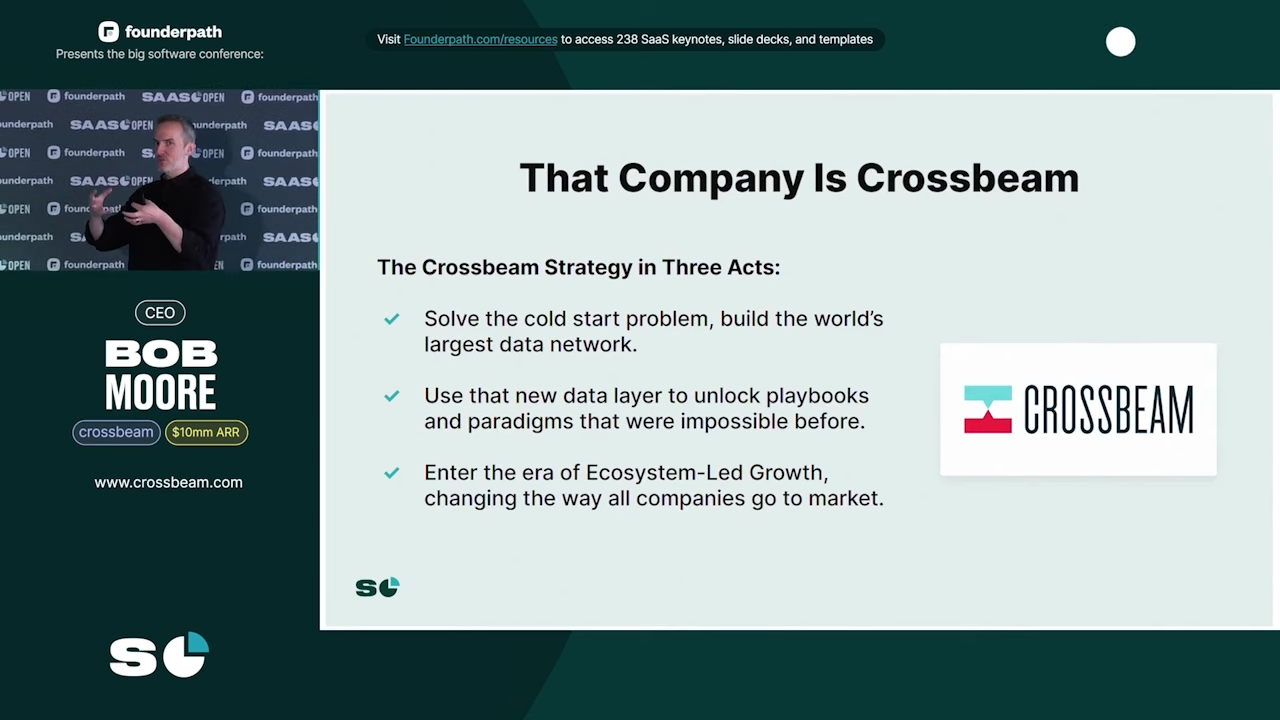
Armed with the lessons learned from RJMetrics and Stitch, Moore launched Crossbeam in early 2019. Crossbeam addresses a fundamental challenge in the SaaS ecosystem: data sharing between companies.
“We created Crossbeam to act as an escrow service for data, allowing companies to compare CRM datasets securely.”
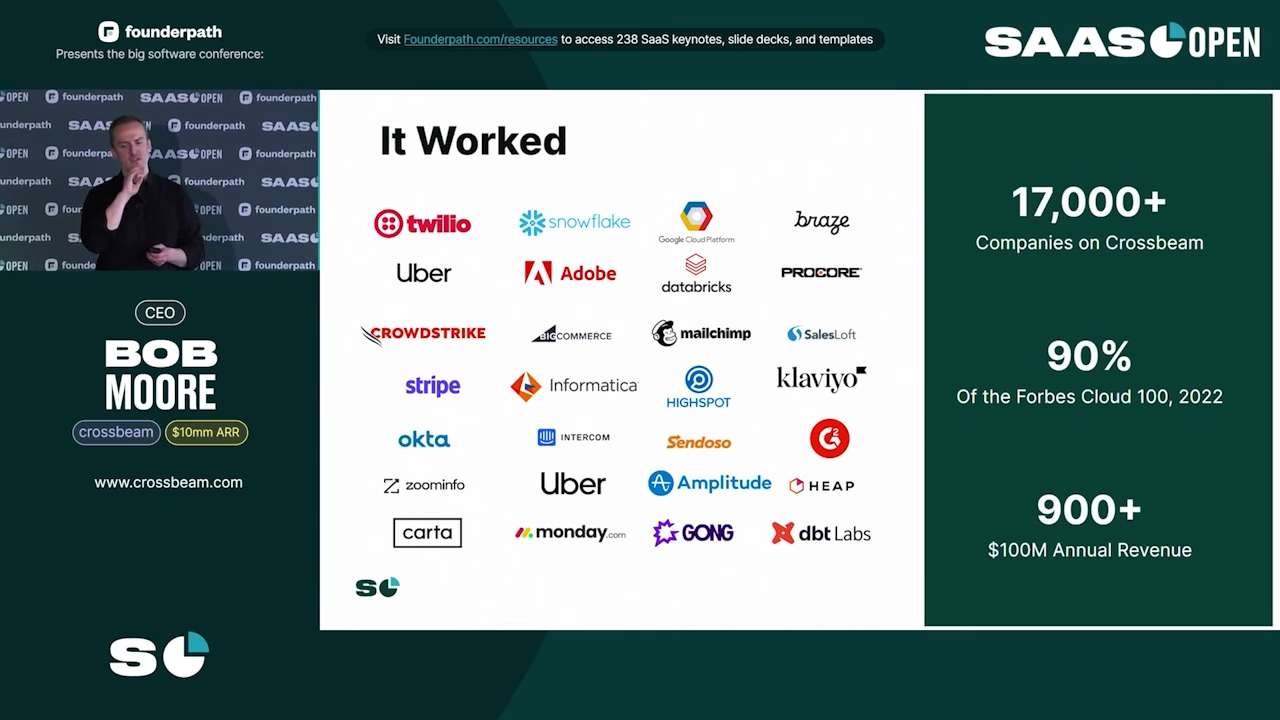
 The response was overwhelmingly positive. Crossbeam’s unique value proposition resonated with a wide range of companies, leading to rapid growth. “In less than five years, we’ve grown to over 17,000 companies using Crossbeam, including many from the Forbes Cloud 100,” Moore mentions proudly.
Crossbeam’s success can be attributed to its focus on solving a real problem in the market. “We hit $10 million in ARR by understanding our customers’ needs and building a product that provided real, measurable value,” Moore explains. The company’s viral growth underscores the effectiveness of its go-to-market strategy and the importance of ecosystem-led growth.
The Future of SaaS: Ecosystem-Led Growth (ELG)
Looking ahead, Moore believes the future of SaaS lies in ecosystem-led growth.
“The modern SaaS ecosystem is all about integration and interoperability. Companies are no longer looking for monolithic solutions; they want tools that work together seamlessly.”
Ecosystem-led growth involves leveraging partnerships and integrations to drive value. “The most successful SaaS companies are those that create strong, symbiotic relationships with other tools in their customers’ tech stacks,” Moore notes. This approach not only enhances the customer experience but also drives higher ROI and efficiency.
From the early days of RJMetrics to the successful exit with Stitch and the rapid growth of Crossbeam, Moore’s story underscores the need to stay attuned to market shifts and be willing to evolve.
The future of SaaS is bright, and with leaders like Moore at the helm, the industry is poised for continued innovation and growth. Embracing change, leveraging partnerships, and focusing on ecosystem-led growth will be key drivers for success in the ever-evolving SaaS landscape.
If you’d like to Bob Moore’s full presentation at SaaSOpen, check out the video below:

Recent Articles
How Rev's CEO Adi Bathla Drove Revenue to $10M by Revolutionizing Auto Shop Workflows
Building a company from scratch and driving it to hit significant revenue milestones is no small feat. Adi Bathla, the…
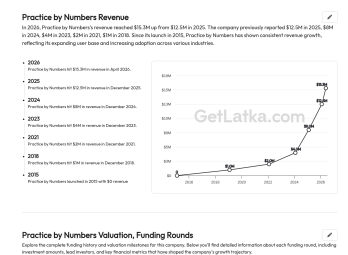
How Practice by Numbers Achieved $16.5M Revenue in 2026 with Innovative SaaS Solutions
2015: Launched Practice by Numbers to Fill a Market Gap Practice by Numbers (PBN), co-founded by Rohit Garg and Dr.…
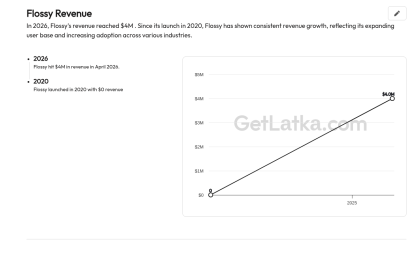
How Flossy Achieved $4M Revenue and Continues to Grow with AI Innovations
In a rapidly evolving world, where technology and healthcare intersect more intricately than ever, Flossy has emerged as a beacon…