How Screenmeet Achieved Revenue Growth with Cloud-Based Remote Support Solutions

Introduction: Screenmeet’s Journey to Success
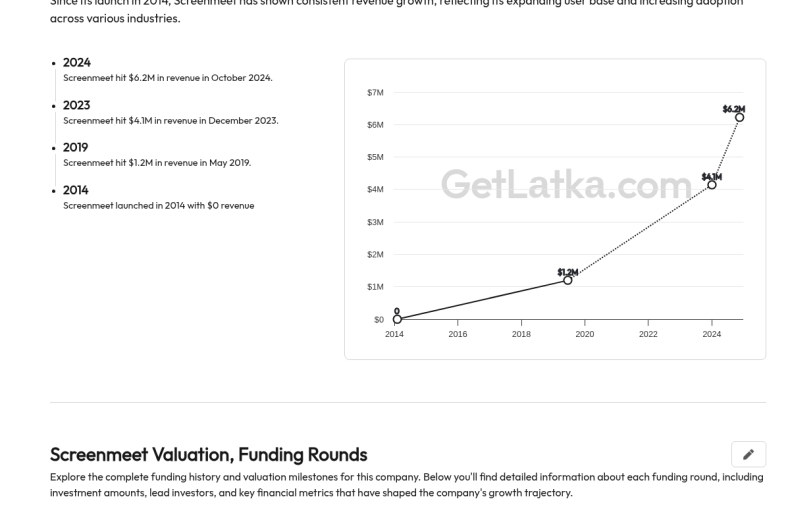
Screenmeet has transformed the remote support industry with its cloud-native solution, offering substantial cost savings and improved efficiency over traditional on-premise solutions. In this article, we’ll explore how CEO Ben Lilienthal has grown Screenmeet from its inception in 2014 to a leader in the IT infrastructure software space. We’ll delve into the company’s strategic decisions, revenue milestones, and the unique tactics that have driven its success.
2014: Screenmeet’s Launch and Vision
Founded in 2014 and incorporated in 2015, Screenmeet was born out of Ben Lilienthal’s desire to disrupt the remote support market. Having sold a previous company to GoToMeeting, Ben recognized the potential of cloud technology. His vision was clear: to create a cloud-native remote support solution that could replace outdated desktop-based software like LogMeIn and Bomgar.
2015-2017: Building the Foundation
In the early years, Screenmeet focused on developing a robust cloud-native platform. The company initially targeted small teams, selling a few seats at a time. The turning point came with a major contract from OpenTable, which involved deploying several hundred seats. This validation of their product’s value proposition set the stage for future growth.
2018: The Big Break – Enterprise Expansion
Screenmeet’s big break came when they deployed their solution to the largest technical services organization globally, supporting over 10,000 agents. This massive deployment demonstrated the scalability and effectiveness of Screenmeet’s solution, providing a compelling value proposition to other large enterprises.
Data-Driven Decision Making
- Contract with OpenTable: Hundreds of seats
- Major Enterprise Deployment: 10,000+ support agents
- Revenue Model: $20-$60 per user per month
2019: Strategic Focus on Large Enterprises
With the successful deployment under their belt, Screenmeet shifted focus towards large enterprise clients. The company realized that the economics of serving enterprise clients were more favorable. By replacing 15-year-old software with their cloud-native solution, Screenmeet offered substantive savings and increased efficiency to these clients.
Enterprise Sales Strategy
- Target Industries: High-tech, education, manufacturing
- Sales Approach: Direct sales to companies hiring outsourced service providers
- Partnerships: Collaborations with large CRM platform providers
2020: Achieving Scale with Strategic Partnerships
As Screenmeet continued to grow, strategic partnerships played a crucial role. By aligning with major CRM platforms like Salesforce and ServiceNow, Screenmeet leveraged existing client bases to drive adoption of their solution. This channel distribution model allowed them to scale efficiently without building a large internal sales team.
Channel Distribution Success
- CRM Partnerships: Salesforce, ServiceNow
- AppExchange Commissions: Approximately 20%
- Customer Acquisition: Less than 100 customers, tens of thousands of agents
2021: Sustaining Growth with Efficient Operations
With a lean team of about 15 employees, Screenmeet maintained a focus on operational efficiency. The company achieved a net revenue retention rate of over 100%, driven by low churn and moderate account expansion. This financial discipline positioned Screenmeet for sustainable growth and potential profitability in the near term.
Financial Metrics and Growth
- Annual Revenue: Approximately $2.4 million
- Net Revenue Retention: 105%
- Team Size: 15 employees
- Funding: $5 million raised from angel investors
2022: Future Outlook and Market Expansion
Looking ahead, Screenmeet aims to increase its market share by capitalizing on the ongoing shift towards cloud-based solutions. The company plans to continue leveraging channel partnerships while exploring new markets and verticals. As the demand for remote support solutions grows, Screenmeet is well-positioned to capture a significant portion of the market.
Growth Strategies
- Market Expansion: Target new industries and geographic regions
- Product Development: Enhance features and integrations
- Customer Success: Focus on reducing churn and increasing expansion
Conclusion: Screenmeet’s Path to Success
Screenmeet’s journey from a startup to a leading player in the IT infrastructure software industry highlights the power of strategic focus and innovation. By offering a superior cloud-native solution and leveraging strategic partnerships, Screenmeet has achieved impressive growth and established itself as a disruptor in the remote support market. As the company continues to expand, its focus on customer success and operational efficiency will be key drivers of future growth.
For more information on Screenmeet, visit their website or explore their GetLatka profile.
Recent Articles

How 1Mind Achieved Rapid Revenue Growth with AI-Driven Sales Solutions
The journey of 1Mind, under the leadership of CEO Amanda Kahlow, is a remarkable testament to the power of innovative…

How Rev Grew to $10M Revenue Using AI and Strategic Expansion
In the ever-evolving landscape of the automotive repair industry, Rev has positioned itself as a pivotal player, thanks to the…

How Test-Company Achieved $1M ARR and Expanded to 100 Employees
Test-company has emerged as a significant player in the ‘Other Agency’ industry, achieving impressive growth milestones such as reaching $1…