How Jumio Grew to 46% Year-Over-Year Revenue Growth in Identity Verification

In the fast-paced world of technology, the ability to verify identities securely is more crucial than ever. Jumio, a powerhouse in the identity verification industry, has captured significant market share with its robust SaaS solutions. This blog post explores how Stephen Stuut, CEO of Jumio, propelled the company to impressive revenue growth and operational milestones. We’ll dive into the actionable tactics and strategies that facilitated Jumio’s ascent in the identity verification sector, focusing on key metrics and growth tactics.
2013: Founding Vision and Market Opportunity
Jumio was founded in 2013 with a vision to revolutionize the identity verification process. The founder’s experience with cumbersome credit card verification processes inspired the creation of a seamless, efficient solution for identity verification. By leveraging technology that allows users to verify their identities via images of IDs and biometric comparisons, Jumio positioned itself as a leader in the burgeoning field of trusted identity as a service.
2015: Leadership Transition and Strategic Investment
In 2015, Stephen Stuut joined Jumio as CEO, following a strategic investment round. With a background in leading technology businesses, Stephen brought a wealth of experience in corporate growth and strategic planning. Under his leadership, Jumio focused on enhancing its product offerings and expanding its customer base.
How Jumio Raised $60m for Growth
Jumio’s ability to attract significant investment from top-tier venture capital firms, including Andreessen Horowitz and Citi Ventures, was instrumental in its growth. By 2015, the company had raised a total of $60 million. These funds were pivotal for developing Jumio’s technology and expanding its market reach.
2016: Achieving Milestones in Identity Verifications
By 2016, Jumio was serving between 350 and 400 customers globally, providing services in over 40 countries. The company’s team had grown to 1,500 employees, split between San Francisco and India. That year, Jumio processed 26 million identity verifications, demonstrating its capability to handle high-volume transactions efficiently.
System Game: Human and AI Integration
Jumio’s hybrid approach, which integrates computer vision technology with industry experts, proved to be a winning strategy. This blend allows for accurate identity verification even in suboptimal conditions, such as poor lighting or low-quality images. This system game ensures reliability and accuracy, which are critical for maintaining customer trust and satisfaction.
2017: Breaking Through Key Performance Indicators
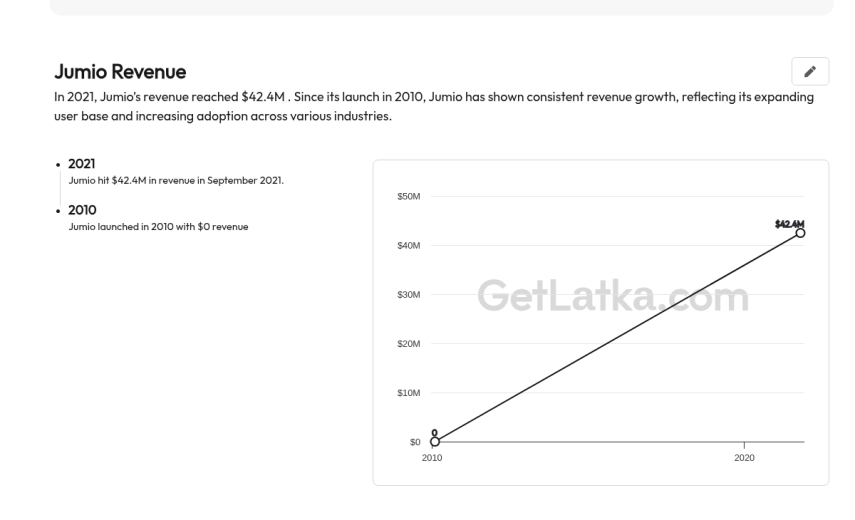
Jumio continued its upward trajectory in 2017, with expectations to surpass 30 million identity verifications. The company’s growth rate was recorded at 46% year-over-year, underscoring its successful market penetration and customer acquisition strategies.
New 1st Page: Capturing the Fintech and Sharing Economy Markets
Jumio’s reputation within the fintech and sharing economy sectors was bolstered by partnerships with major players like Airbnb. By serving high-profile customers, Jumio enhanced its credibility and visibility, effectively becoming the go-to solution for trusted identity verification. This strategic positioning on the ‘new 1st page’ of the digital economy has been pivotal for its growth.
Growth Tactics: Expanding Customer Base and Market Reach
Jumio’s growth can be attributed to a combination of strategic pricing, market expansion, and customer acquisition tactics. The company operates on a SaaS business model where customers prepay for identity verification transactions, ensuring a steady revenue stream.
Pixel Real Estate: Leveraging Trade Shows and Industry Events
Trade shows and industry events have played a significant role in Jumio’s customer acquisition strategy. By participating in key events, Jumio has been able to showcase its offerings to a targeted audience, effectively tapping into new markets and expanding its customer base.
ChatGPT Leads: Harnessing Inbound Marketing
Word-of-mouth and inbound marketing have been crucial for Jumio’s success. The company’s reputation in Silicon Valley and beyond has led to a steady stream of inbound leads, particularly from fintech and sharing economy sectors. These industries have specific needs for identity verification, making Jumio’s solutions highly relevant and attractive.
Conclusion: Jumio’s Path to Success
Jumio’s journey to becoming a leader in identity verification is a testament to strategic leadership, innovative technology, and effective market positioning. Under Stephen Stuut’s guidance, Jumio has achieved significant milestones, including a 46% year-over-year revenue growth and a robust global presence. By continuing to innovate and capture market share, Jumio is well-positioned to maintain its trajectory of success.
For more insights on Jumio’s growth and other leading companies, visit Jumio’s GetLatka profile. Explore more companies in the United States and across the e-commerce software industry. For further information, visit Jumio’s official website.
Recent Articles

How 1Mind Achieved Rapid Revenue Growth with AI-Driven Sales Solutions
The journey of 1Mind, under the leadership of CEO Amanda Kahlow, is a remarkable testament to the power of innovative…

How Rev Grew to $10M Revenue Using AI and Strategic Expansion
In the ever-evolving landscape of the automotive repair industry, Rev has positioned itself as a pivotal player, thanks to the…

How Test-Company Achieved $1M ARR and Expanded to 100 Employees
Test-company has emerged as a significant player in the ‘Other Agency’ industry, achieving impressive growth milestones such as reaching $1…