How Smartling Achieved Substantial Revenue Growth: Insights from CEO Jack Weldy

2009: Launching with a Vision for Global Translation
In 2009, Jack Weldy co-founded Smartling with a vision to transform the way companies translate digital content. Drawing from his extensive global experience in the Air Force and various tech roles, Weldy identified a pressing need for efficient translation services in a rapidly globalizing world. Despite the challenging financial climate of 2009, Smartling was bootstrapped, with Weldy investing personal funds and leveraging his software development skills to build a prototype. The initial goal was simple yet crucial: secure three customers to validate the product’s potential, which would pave the way for Series A funding.
2010: Securing Initial Funding and Customer Validation
Smartling’s prototype quickly demonstrated value, helping early customers streamline their translation workflows. This success enabled Weldy to raise $4 million in Series A funding. At that time, Smartling had around seven to ten customers, each contributing tens of thousands of dollars annually, which valued the company between $6 to $10 million. This funding round was pivotal, allowing Smartling to enhance its product and expand its team.
2012: Expanding Customer Base and Product Offerings
By 2012, Smartling had substantially grown its customer base, thanks to a refined product and a repeatable sales process. The company focused on perfecting its technology to ensure seamless integration into clients’ existing digital ecosystems, thereby enhancing customer satisfaction and retention. The introduction of Smartling’s Global Delivery Network, a content delivery network that facilitates rapid multilingual website deployment, became a significant driver of growth.
2015: Achieving 100% Year-over-Year Growth
Smartling achieved impressive growth rates, doubling its revenue year-over-year for several consecutive years. This was achieved through a combination of expanding its product capabilities and refining its sales strategy to attract and retain enterprise clients. By 2015, Smartling was recognized in Deloitte’s Technology Fast 500 list, a testament to its rapid growth and industry impact.
2017: Breaking the $10 Million ARR Barrier
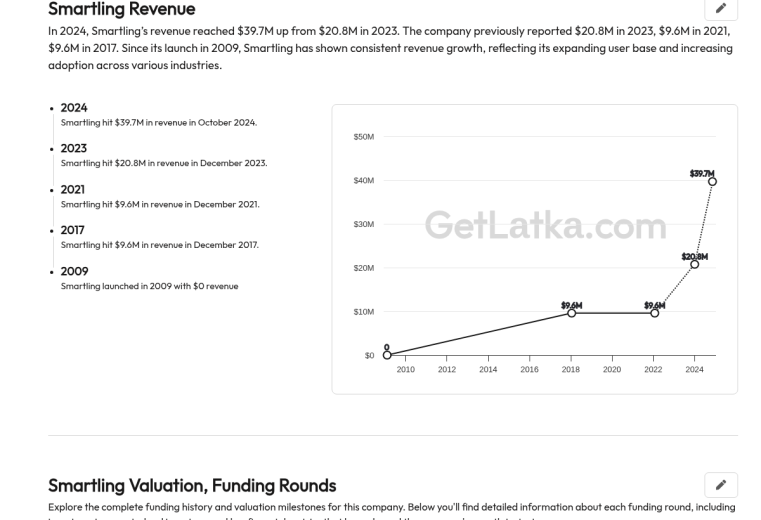
By 2017, Smartling had surpassed the $10 million annual recurring revenue (ARR) mark, a significant milestone for any SaaS company. The company’s customer base had grown to nearly 500 enterprise clients, with each customer contributing between $10,000 to over $1 million annually. This growth was supported by a robust marketing strategy, with Smartling investing approximately $5 million annually in marketing channels such as events, Google Ads, and LinkedIn to attract high-value clients.
2018: Optimizing Revenue Retention and Expansion
Smartling focused on maintaining a healthy revenue churn rate of 8-12%, ensuring that revenue losses were minimized while maximizing expansion revenue. The company’s pricing model, based on content volume and traffic metrics, allowed for predictable growth in existing accounts. This strategic focus on revenue retention and expansion contributed significantly to Smartling’s ongoing success.
2020: Sustaining Growth Amidst Increasing Scale
As Smartling continued to grow, it faced the challenge of sustaining high growth rates. Despite the natural deceleration as the company scaled, Smartling maintained a respectable growth rate of over 50% year-over-year. The company continued to explore new products and services that could complement its existing offerings, ensuring long-term growth and sustainability.
Key Growth Tactics and Insights
- Prototyping and Customer Validation: Smartling’s early focus on building a functional prototype and securing initial customers was critical in attracting Series A funding.
- Enterprise Sales Strategy: Targeting enterprise clients with tailored solutions and a scalable sales process was key to Smartling’s rapid revenue growth.
- Robust Marketing Investment: A significant investment in diverse marketing channels helped Smartling attract high-value clients and enhance brand visibility.
- Revenue Retention Focus: Maintaining low revenue churn and leveraging expansion revenue opportunities ensured Smartling’s financial health and customer satisfaction.
- Adaptable Pricing Model: Smartling’s pricing based on usage metrics allowed for scalable revenue growth in line with clients’ expanding needs.
Smartling’s journey from a bootstrapped startup to a leader in the translation services industry illustrates the power of strategic planning, robust product development, and effective marketing. By focusing on customer needs and leveraging technological innovation, Smartling has successfully carved a niche in the competitive SaaS landscape.
For a deeper dive into Smartling’s company profile, explore their GetLatka profile. Discover other successful SaaS companies in the United States and the Website Translation Tools industry. Visit Smartling’s website for more information on their services.
Recent Articles

How 1Mind Achieved Rapid Revenue Growth with AI-Driven Sales Solutions
The journey of 1Mind, under the leadership of CEO Amanda Kahlow, is a remarkable testament to the power of innovative…

How Rev Grew to $10M Revenue Using AI and Strategic Expansion
In the ever-evolving landscape of the automotive repair industry, Rev has positioned itself as a pivotal player, thanks to the…

How Test-Company Achieved $1M ARR and Expanded to 100 Employees
Test-company has emerged as a significant player in the ‘Other Agency’ industry, achieving impressive growth milestones such as reaching $1…