How Loom Grew to a $1.53B Valuation & $100M+ Revenue


What is Loom’s Valuation?
Loom valuation was $1.5 billion as of May 2021.
What is Loom’s Revenue?
Loom generates an estimated annual revenue of over $100M.
Who is the CEO of Loom?
Joe Thomas, co-founder and Loom CEO, has been leading the company since its inception, focusing on making communication more efficient through video.
Who Are Loom’s Competitors?
Loom competitors include Zoom, Microsoft Teams, Vidyard, and Snagit.
How Many People Use Loom?
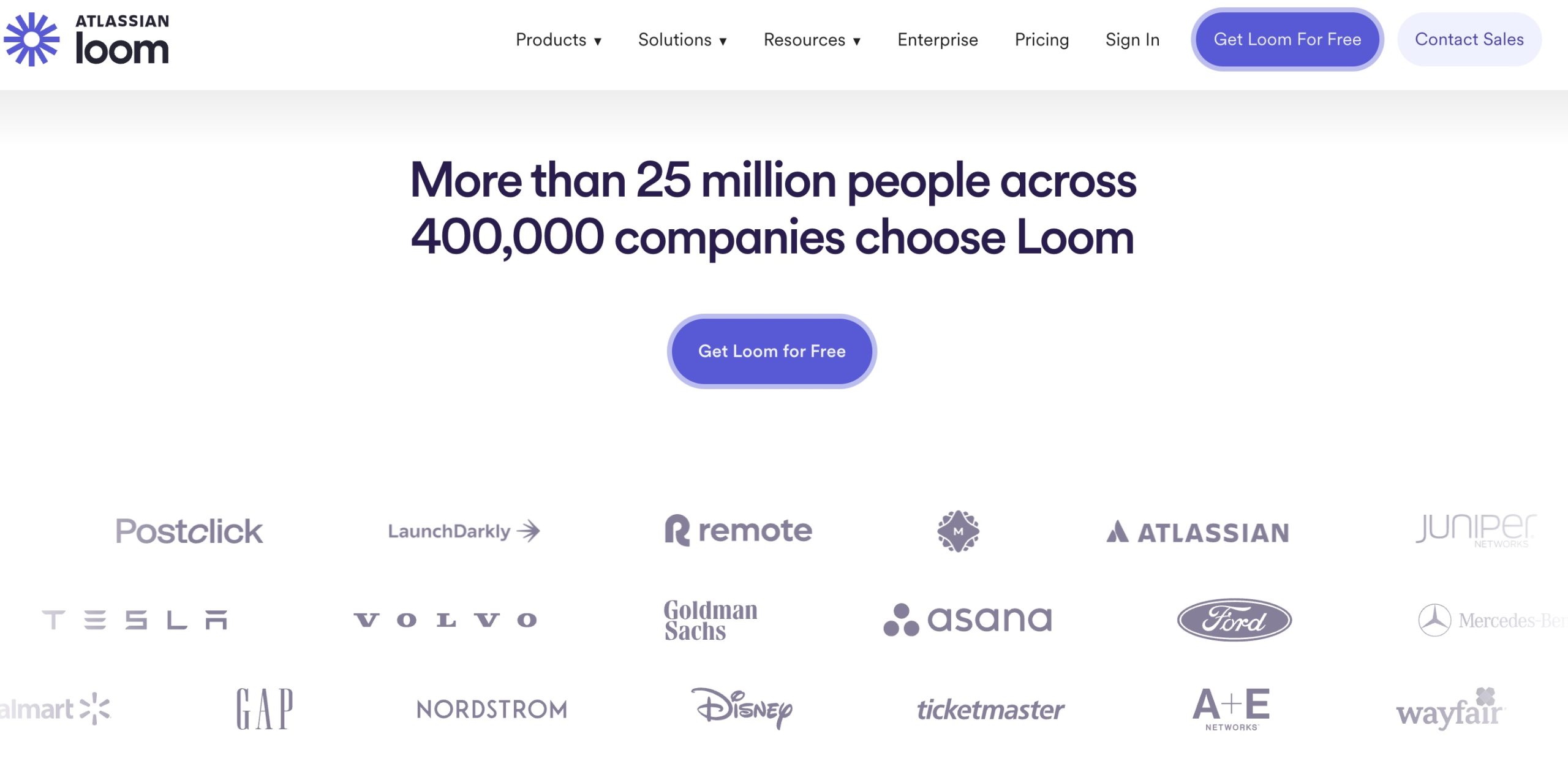
More than 25 million people across 400,000 companies choose Loom.
How a Failed App Gained a $1.53B Valuation

In 2015, three entrepreneurs—Vinay Hiremath, Shahed Khan, and Joe Thomas—embarked on a mission to revolutionize user testing with their startup, Opentest. Despite their dedication, the platform struggled to gain traction, leaving the founders at a crossroads.
Recognizing a glimmer of potential in a feature that allowed users to record their screens, they made a pivotal decision: pivot the company’s focus entirely to this functionality. This bold move led to the birth of Loom, a tool designed to simplify video messaging and screen recording.
The Product Hunt Launch That Changed Everything
In June 2016, the newly branded Loom made its debut on Product Hunt as a Chrome extension. The response was overwhelming; within 24 hours, the platform garnered 3,000 new users, surpassing the total user base accumulated over the previous six months.
This immediate traction validated the founders’ pivot and highlighted a significant market need for efficient video communication tools.
Embracing User Feedback to Drive Growth
Understanding the importance of user-centric development, the Loom team actively sought feedback to refine their product.
They discovered that many users were hesitant to turn on their cameras due to self-consciousness. To address this, Loom introduced a “mirror” feature, allowing users to see themselves as they would in a mirror during recordings.
This small but impactful change led to an increase in users keeping their cameras on, enhancing the personal touch of their messages.
Strategic Positioning and Rapid Expansion
By 2017, Loom had repositioned itself as a solution to workplace communication challenges, particularly for remote teams. This strategic shift resonated with businesses seeking efficient ways to convey information without the constraints of synchronous meetings.
The platform’s user base grew exponentially, reaching 14 million users across 200,000 companies by 2021.
Achieving Unicorn Status Amidst a Pandemic
The global shift to remote work during the COVID-19 pandemic further amplified the demand for Loom’s services. In May 2021, the company secured a $130 million Series C funding round, elevating its valuation to $1.5 billion and cementing its status as a unicorn.
A Strategic Acquisition by Atlassian
Loom’s remarkable journey culminated in October 2023 when Atlassian, a leader in collaboration software, acquired the company for $975 million.
This acquisition underscored Loom’s significant impact on the SaaS industry and its role in shaping modern workplace communication.
Key Takeaway: Loom’s evolution from a struggling app to a $975 million acquisition exemplifies the power of adaptability, user-focused development, and strategic positioning in achieving SaaS success.
Loom’s First 1,000 Users: The Growth Hack That Changed Everything

In July 2016, Loom’s co-founders faced a critical challenge: how to rapidly expand their user base without a substantial marketing budget.
Recognizing the potential of Product Hunt—a platform known for spotlighting innovative tech products—they decided to launch their screen recording tool there, aiming to attract early adopters and gather valuable feedback.
The Product Hunt Launch: A Surge of Early Adopters
Upon its Product Hunt debut, Loom experienced an immediate influx of interest. Within the first 24 hours, approximately 3,000 users signed up, surpassing the total number of users they had accumulated over the previous six months.
This initial traction not only validated their product but also provided a foundation for further growth.
Building Relationships with Early Champions
Following their successful launch, the Loom team focused on nurturing relationships with these early adopters. They identified enthusiastic users within organizations and engaged with them directly, fostering a sense of community and ownership.
This personalized approach led to organic growth, as satisfied users introduced Loom to their colleagues, expanding the user base from 3,000 to 20,000.
Implementing a Referral Program to Accelerate Growth
To further capitalize on their momentum, Loom introduced a referral program that rewarded users with $5 in credits for each coworker they referred, up to $50.
This incentive encouraged existing users to promote the platform actively, leading to a significant increase in sign-ups and embedding Loom deeper into organizational workflows.
Key Takeaway: Strategic platform launches, personalized user engagement, and well-designed referral programs can effectively drive rapid user acquisition for emerging SaaS products.
Why Loom Chose a Freemium Model—And How It Drives Revenue
In the crowded SaaS landscape, many startups struggle to balance user acquisition and monetization. Loom’s co-founders faced a pivotal decision early on: Should they charge for access or offer a free version to drive adoption?
They chose the latter—a freemium model that would later fuel their path to a $975 million acquisition.
Making Video Messaging Accessible to Everyone
When Loom launched in 2016, the team knew they were competing against well-established communication tools. Charging upfront would have created a barrier, limiting adoption. Instead, they opted for a freemium approach—allowing users to record and share videos without cost, betting that value would drive long-term conversions.
“We wanted to make video communication as easy as sending an email,” said Loom’s CEO Joe Thomas.
“The key was removing friction and letting people experience the product before asking for a commitment.”
How the Freemium Model Led to Viral Growth
Loom’s freemium plan wasn’t just about giving away free features—it was a growth strategy. Every time a user recorded and shared a Loom video, the recipient saw the Loom branding, exposing them to the product. This built-in virality helped spread the tool across teams and companies, fueling organic adoption.
By the end of 2019, Loom had over 1 million users. By 2021, that number had exploded to 14 million, driven largely by word-of-mouth and product-led growth.
The Premium Upsell: Converting Free Users into Paying Customers
Loom’s freemium strategy worked because it struck the right balance between free and paid features. Free users could record up to five minutes per video, making the tool useful but leaving room for an upgrade. Paid plans unlocked longer recordings, advanced editing, and enterprise-level security—features businesses were willing to pay for.
This model proved highly effective. By 2023, Loom revenue had reached an estimated $50 million, with companies like HubSpot, Netflix, and Atlassian adopting paid plans.
Key Takeaway: A well-executed freemium model drove massive adoption and Loom revenue growth.
From Startup to Enterprise: How Loom Landed Fortune 500 Clients
In 2016, Loom emerged as a user-friendly video messaging platform, initially attracting individual users and small teams.
However, the company’s ambition extended beyond serving small-scale users; they aimed to become an essential tool for large enterprises, including Fortune 500 companies. Achieving this required strategic initiatives and a deep understanding of enterprise needs.
Understanding Enterprise Needs: The Foundation of Expansion
To penetrate the enterprise market, Loom recognized the importance of aligning its product with the specific requirements of large organizations. This involved enhancing security measures, ensuring compliance with industry standards, and offering administrative controls that cater to complex organizational structures.
By addressing these critical aspects, Loom positioned itself as a viable solution for enterprises seeking reliable and secure communication tools.
Building Trust Through Strategic Partnerships and Integrations
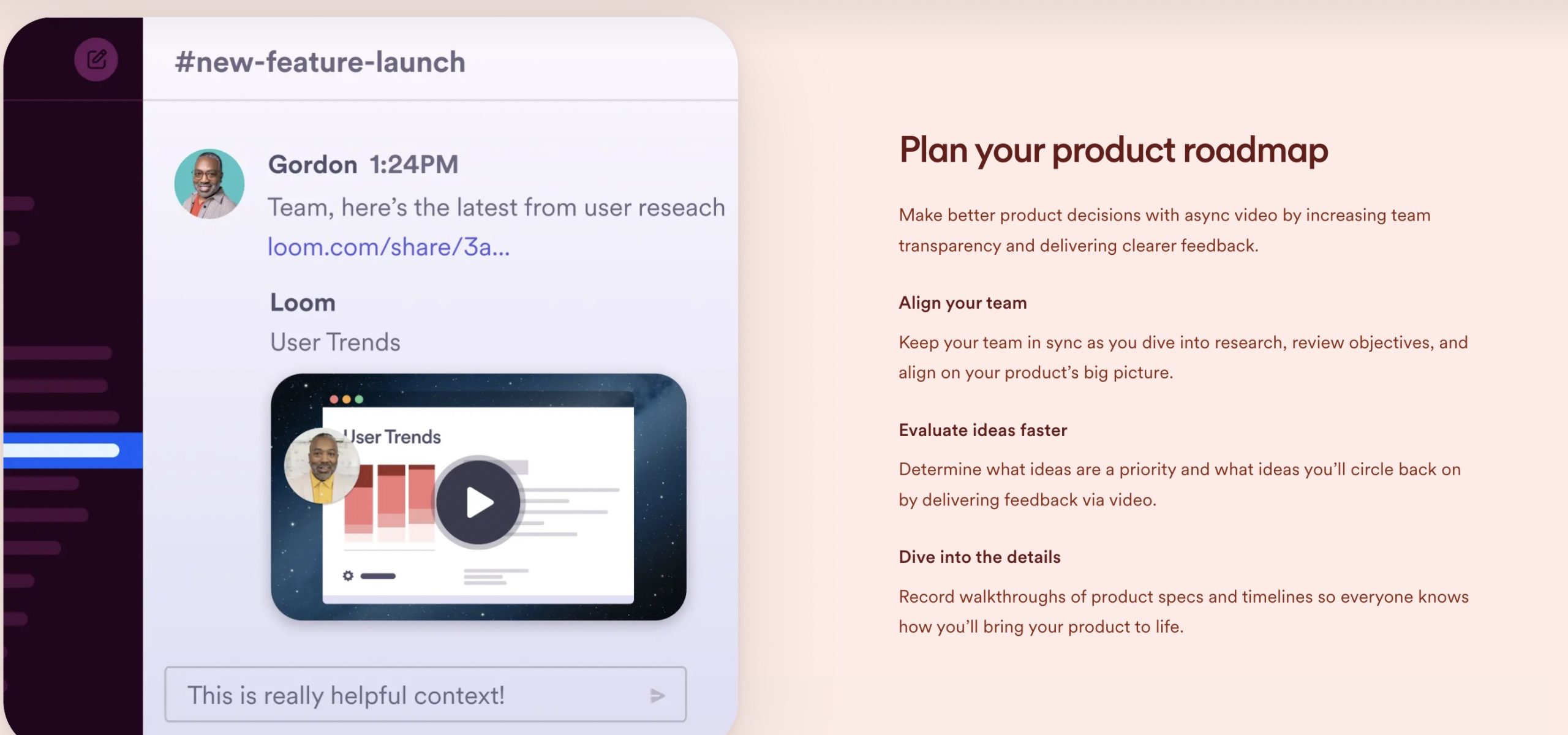
Loom’s strategy included forming partnerships and integrating with platforms already trusted by enterprises. By seamlessly working with tools like Slack, Gmail, and Asana, Loom ensured that its platform could be easily adopted without disrupting existing workflows.
This interoperability made Loom an attractive option for large organizations looking to enhance communication efficiency.
Showcasing Success Stories to Demonstrate Value
To build credibility, Loom highlighted success stories from well-known companies. For instance, they showcased how Intercom used Loom to differentiate their sales outreach, resulting in a 19% boost in reply rates.
Similarly, LaunchDarkly leveraged Loom to accelerate product development, enhancing productivity. These case studies served as powerful testimonials, illustrating Loom’s effectiveness in addressing enterprise challenges.
Achieving Widespread Adoption Among Fortune 500 Companies
Through a combination of product enhancements, strategic integrations, and demonstrated success, Loom successfully expanded its client base to include over 1,000 companies.
This diverse clientele spans various industries, from financial services to manufacturing, software engineering, and even federal government agencies. Notably, Loom’s reach extends to numerous Fortune 500 companies, underscoring its acceptance and trust at the highest levels of business.
Key Takeaway: By deeply understanding enterprise needs, building strategic partnerships, and showcasing proven success, Loom transitioned from a startup to a trusted partner for Fortune 500 companies, solidifying its position in the enterprise communication landscape.
How Loom Raised $130M While Competing Against Tech Giants

In May 2021, Loom, a burgeoning video messaging platform, announced a monumental $130 million Series C funding round, propelling its valuation to $1.53 billion.
Competing in a landscape dominated by tech giants like Zoom and Microsoft Teams, Loom’s remarkable achievement stemmed from strategic decisions and a keen understanding of evolving workplace dynamics.
Capitalizing on the Shift to Hybrid Work
The COVID-19 pandemic ushered in an era where remote and hybrid work models became the norm. Loom identified a critical gap: while live video conferencing solutions were abundant, there was a lack of efficient asynchronous communication tools.
By offering a platform that enabled users to record and share videos at their convenience, Loom addressed the need for flexibility in communication, aligning perfectly with the demands of hybrid work environments.
Demonstrating Exponential User Growth
Loom’s user base experienced a staggering 900% growth year-over-year, reaching over 10 million users across 120,000 companies in 192 countries by early 2021.
This exponential increase showcased the platform’s widespread adoption and effectiveness in meeting the communication needs of diverse organizations, making it an attractive prospect for investors.
Securing Investment from Prestigious Firms
The impressive growth and strategic positioning of Loom attracted significant attention from leading venture capital firms. The $130 million Series C funding round was led by Andreessen Horowitz, with participation from ICONIQ Growth, Kleiner Perkins, Sequoia Capital, Coatue Management, and General Catalyst.
Such endorsements from esteemed investors not only provided substantial capital but also validated Loom’s potential to disrupt the communication tools market.
Expanding Enterprise Adoption
Beyond individual users and small teams, Loom made significant inroads into large enterprises. Companies like Netflix, Atlassian, JLL, Twitter, Olympus, Procter & Gamble, and Lacoste integrated Loom into their workflows, utilizing the platform to share updates, provide feedback, and enhance collaboration without the constraints of synchronous meetings. This enterprise adoption further solidified Loom’s position in the market and demonstrated its scalability and versatility.
Key Takeaway: Loom raised $130M by addressing workplace needs, gaining users quickly, and securing top investors, competing with tech giants.
Why Asynchronous Video is the Future of Work—And How Loom Capitalized on It

In the evolving landscape of modern work, asynchronous video communication has emerged as a pivotal tool, offering flexibility and efficiency that traditional synchronous methods often lack.
Loom, a leader in this domain, recognized early on the potential of asynchronous video to transform workplace communication.
The Rise of Asynchronous Video in Modern Workplaces
As organizations increasingly adopt remote and hybrid work models, the limitations of real-time communication become evident.
Coordinating schedules across different time zones and balancing diverse personal commitments can lead to challenges in synchronous meetings.
Asynchronous video addresses these issues by allowing team members to create and consume content at their convenience, enhancing productivity and reducing stress.
Loom’s Strategic Positioning in Asynchronous Communication
Founded in 2015, Loom identified a gap in the market for efficient, user-friendly asynchronous video tools. By enabling users to quickly record and share videos, Loom facilitated clearer communication without the need for immediate responses.
This approach not only reduced the need for excessive meetings but also allowed for more thoughtful and detailed information exchange.
Benefits of Asynchronous Video Communication
- Enhanced Clarity: Visual and auditory cues in videos convey nuances that text-based messages often miss, leading to better understanding.
- Increased Productivity: Employees can engage with content on their own schedules, minimizing interruptions and fostering deep work sessions.
- Improved Work-Life Balance: Flexibility in communication allows team members to manage their time effectively, reducing burnout.
Loom’s Impact on Team Collaboration
By integrating asynchronous video into daily workflows, Loom has enabled teams to maintain personal connections without the constraints of synchronous meetings.
This method supports collaboration across different time zones and accommodates varying schedules, making it easier to share updates, provide feedback, and onboard new employees.
Key Takeaway: Asynchronous video communication, championed by platforms like Loom, is redefining the future of work by offering flexible, efficient, and human-centric communication solutions that align with the evolving needs of modern workplaces.
The $10M Experiment That Transformed Loom’s Pricing Strategy
In the competitive SaaS landscape, pricing strategies can make or break a company’s success. Loom, a video messaging platform, embarked on a pivotal experiment that not only transformed its pricing model but also significantly boosted its revenue.
The Initial Pricing Challenge
At its inception, Loom offered a freemium model, providing basic features for free while reserving advanced functionalities for paid subscribers.
However, as the user base grew, the company faced challenges in converting free users to paid customers. Recognizing the need for a more effective monetization strategy, Loom’s leadership decided to reevaluate their approach.
The $10 Million Experiment: Introducing Premium Features
In a bold move, Loom introduced premium features at an accessible price point of $10 per month. This strategic shift aimed to provide substantial value at a reasonable cost, encouraging more users to transition from free to paid plans.
The experiment yielded remarkable results, achieving $1 million Loom revenue almost overnight. This success underscored the effectiveness of offering valuable features at a price point that resonated with users.
Leveraging Product-Led Growth
Central to Loom’s strategy was its focus on product-led growth. By ensuring that the product itself was intuitive, valuable, and shareable, Loom capitalized on organic growth channels.
Users naturally became advocates, sharing Loom videos within their networks, which in turn attracted new users. This approach minimized the need for traditional marketing expenditures and allowed the product’s quality to drive its expansion.
Current Pricing Structure
Building on the insights from their experiment, Loom refined its pricing tiers to cater to a broader audience:
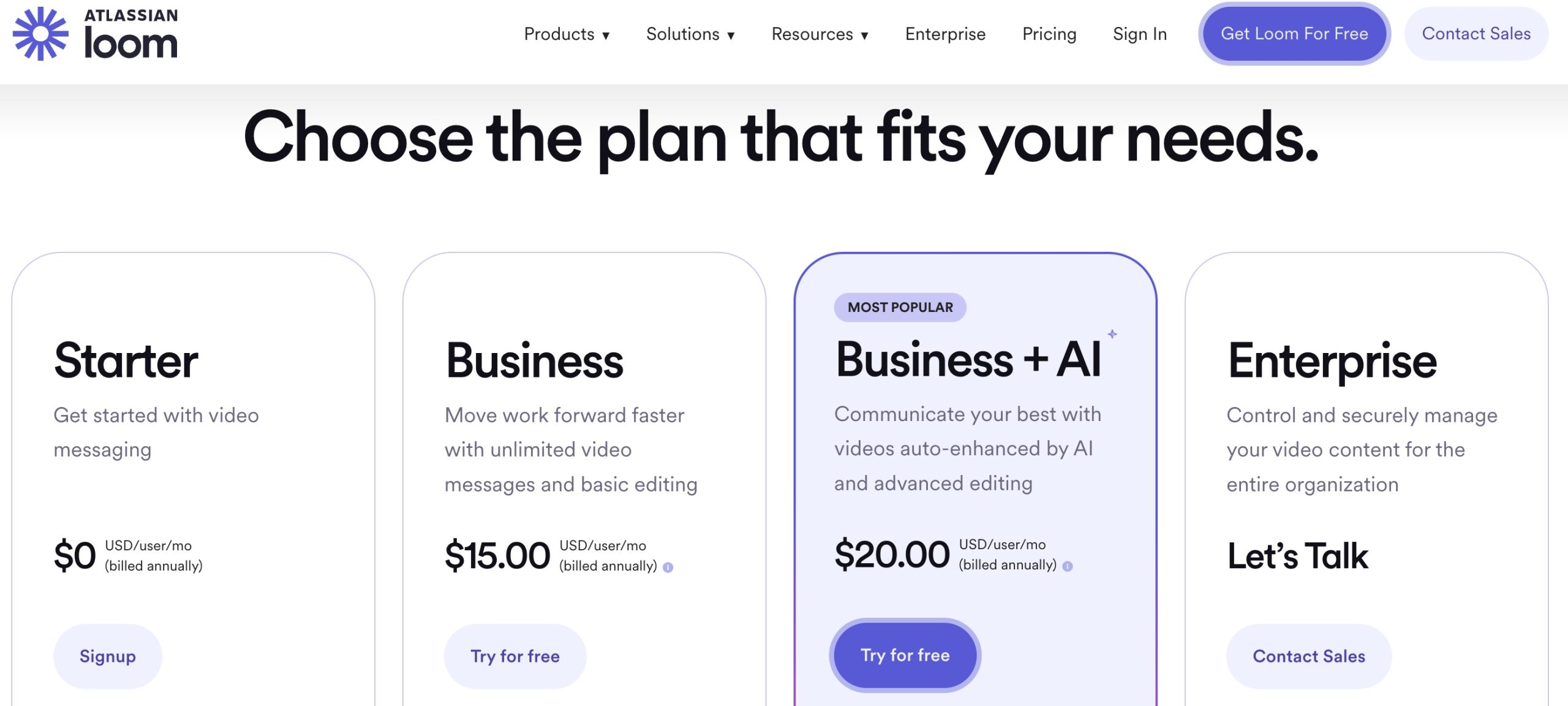
- Starter Plan: Free of charge, offering up to 25 videos with a 5-minute recording limit per video.
- Business Plan: Priced at $15 per user per month (billed annually), this plan includes unlimited videos, unlimited recording length, and advanced features such as high-definition recording and custom branding.
- Business + AI Plan: At $20 per user per month (billed annually), this tier encompasses all Business Plan features, supplemented with AI-enhanced functionalities like filler word and silence removal, auto-generated titles, summaries, and chapters.
Key Takeaway: Loom’s willingness to experiment with its pricing strategy, coupled with a commitment to delivering value, led to a significant revenue boost and a more sustainable business model.
How Remote Work Fueled Loom’s Explosive Growth
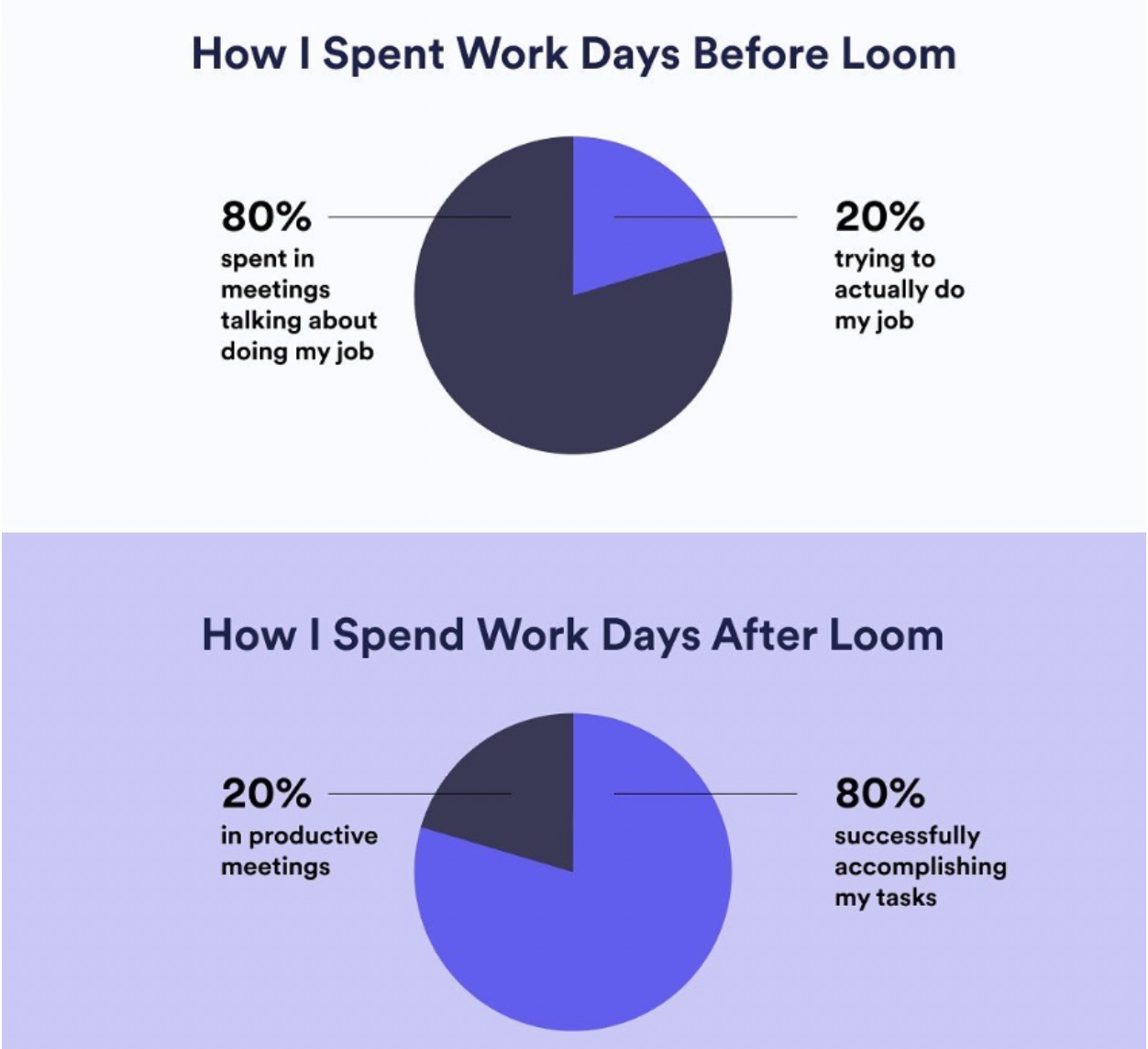
The global shift to remote work during the COVID-19 pandemic acted as a catalyst for Loom’s rapid expansion, as organizations sought effective tools for asynchronous communication.
Surge in User Adoption Amid Remote Work Trends
As remote work became the norm, Loom experienced unprecedented growth. By 2021, the platform had amassed over 14 million users across 200,000 businesses, highlighting its widespread adoption.
This surge was driven by the need for efficient communication tools that could bridge the gap between distributed teams.
Strategic Enhancements to Support Remote Teams
Recognizing the challenges faced by remote workers, Loom implemented several strategic initiatives:
- Product Accessibility: In response to the pandemic, Loom temporarily reduced prices and lifted recording limits, making its platform more accessible to a broader audience.
- Enterprise Solutions: To cater to larger organizations, Loom introduced features tailored for enterprise use, such as advanced security protocols and administrative controls, facilitating seamless integration into corporate environments.
“People crave context, so it’s important I find space to share updates with the company in a way that helps everyone feel informed.” – Joe Thomas
Impact on Organizational Efficiency
Companies that integrated Loom into their workflows reported significant improvements in efficiency.
For instance, Remote, a global HR platform, utilized Loom for asynchronous communication, resulting in over 20,000 hours saved in meetings within two years. This example underscores Loom’s effectiveness in enhancing productivity for remote teams.
Key Takeaway: Loom’s ability to adapt and innovate in response to the global shift toward remote work has solidified its position as a vital tool for asynchronous communication, driving substantial growth and widespread adoption.
How Loom’s Chrome Extension Brought in Over 10M+ User
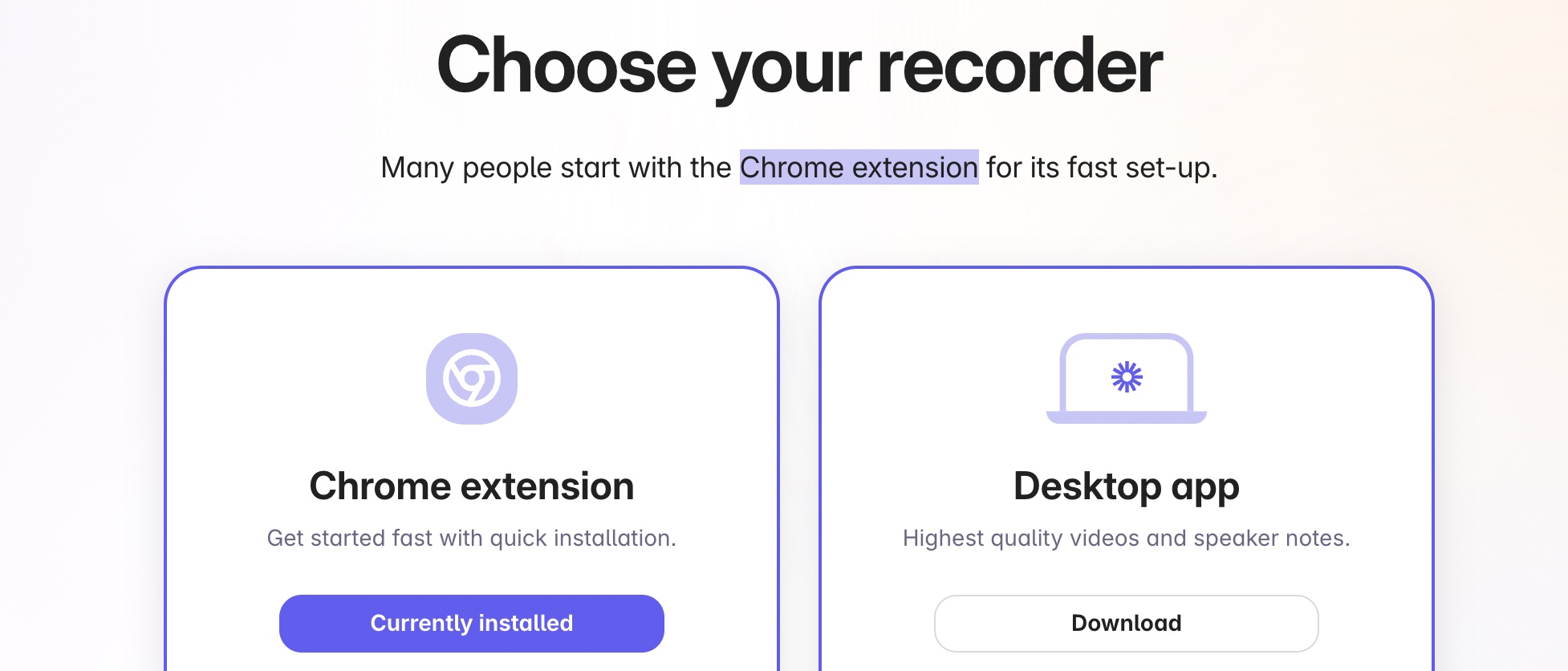
In 2016, Loom’s co-founders faced a pivotal moment. Their initial venture, Opentest, a usability testing tool, struggled to gain traction. However, they noticed that users appreciated a specific feature: the ability to record their screens.
Seizing this insight, they pivoted to focus solely on this functionality, leading to the creation of a simple Chrome extension named Openvid.
This tool allowed users to effortlessly record and share videos via a link, eliminating the need for cumbersome video editing software or large file transfers.
Immediate Validation Through Product Hunt Launch
In June 2016, Openvid debuted on Product Hunt, a platform known for spotlighting innovative tech products. The response was overwhelming; within 24 hours, they gained over 3,000 new users—more than they had acquired in the previous six months combined.
This immediate traction validated their pivot and highlighted a significant market need for streamlined video communication tools.
Rebranding and Focusing on Workplace Communication
Through user feedback, the team discovered that video could address communication challenges in the workplace, especially for remote teams.
Recognizing this opportunity, they rebranded as Loom in 2017 and positioned themselves as the go-to solution to replace the hassles of written communication.
Leveraging Product-Led Growth and Viral Features
Loom’s growth strategy centered on product-led growth, focusing on delivering immediate value to users. The Chrome extension’s ease of use allowed users to start recording with minimal setup, leading to rapid adoption.
Additionally, features like notifications when videos were viewed created a sense of engagement and encouraged users to return to the platform.
Achieving Exponential User Growth
By 2022, Loom’s strategic focus on user-centric design and seamless integration had paid off, with the platform boasting over 18 million users who had recorded more than 215 million videos, totaling 1.1 billion minutes on the platform.
Key Takeaway: Loom’s journey from a simple Chrome extension to a platform with over 18 million users exemplifies the power of user feedback, strategic pivots, and a relentless focus on delivering immediate value through product-led growth.
4 Lessons That Took Loom From Side Project to Empire
 Loom’s evolution from a modest side project to a dominant force in the SaaS industry offers invaluable insights into effective leadership and strategic growth. Key lessons from their journey include:
1. Embrace Customer-Centric Development
Loom’s leadership prioritized understanding and addressing user needs. By actively seeking feedback and rapidly implementing requested features, they cultivated a loyal user base that championed their product.
This approach not only enhanced user satisfaction but also fueled organic growth.
2. Leverage Product-Led Growth
Instead of traditional marketing methods, Loom focused on creating a product that inherently promoted itself. By ensuring the platform was intuitive and valuable, users naturally shared it within their networks, leading to exponential adoption.
In an interview, Joe Thomas, co-founder and Loom CEO, emphasized the importance of focusing on the problem at hand amidst various distractions:
“Staying focused on the problem you set out to solve. There are so many things to distract you—technical challenges, market headwinds, competition, hiring challenges.”
3. Maintain Agility and Adaptability
The ability to pivot and adapt was crucial in Loom’s journey. Recognizing when to shift strategies or focus areas allowed them to stay relevant and meet market demands effectively.
4. Cultivate a Resilient Culture
Loom’s leadership fostered a culture of resilience and innovation. By encouraging experimentation and learning from failures, they built a team capable of navigating challenges and driving sustained growth.
Key Takeaway: Loom’s ascent underscores the importance of customer-centricity, product excellence, adaptability, and a resilient company culture in transforming a nascent idea into a SaaS powerhouse.
Loom’s Boldest Business Decision That Led to 300% Revenue Growth
 In early 2019, Loom faced a critical challenge—how to scale its user base while driving sustainable revenue growth. Despite having a promising product, monetization remained a hurdle.
The company’s leadership made a bold decision: introduce a freemium pricing model that would allow users to access essential features for free while encouraging upgrades to premium plans. This gamble would prove to be one of Loom’s most significant growth accelerators.
The Freemium Pivot: Unlocking Viral Adoption
Before February 2019, Loom had been experimenting with various pricing strategies but struggled to convert enough users into paying customers.
Instead of locking valuable features behind a paywall, the company decided to take a different approach—offering a generous free tier with recording capabilities while reserving advanced tools like unlimited storage, HD recording, and team collaboration for premium plans.
The results were immediate. Within just 24 hours of launching the freemium model, Loom’s monthly recurring revenue (MRR) skyrocketed from $0 to $60,000.
More importantly, this strategy fueled viral adoption, as free users naturally shared Loom videos, spreading brand awareness organically.
From Individual Users to Enterprise-Wide Adoption
Loom’s leadership understood that enterprise adoption often starts with individual users. By allowing employees to use Loom for free, the company infiltrated organizations at the grassroots level. Once Loom became essential for communication, teams and entire companies transitioned to paid plans, unlocking enterprise revenue streams.
By 2021, this strategy had helped Loom scale to over 14 million users and secure contracts with major clients like HubSpot, Netflix, and Atlassian.
In the span of just two years, Loom’s revenue grew by 300%, proving that a well-executed freemium model could drive both user acquisition and monetization at scale.
Key Takeaway:By embracing a freemium model, Loom removed friction from user adoption while creating a seamless path to paid upgrades. This decision not only fueled viral growth but also turned individual users into enterprise customers, driving 300% revenue growth and cementing Loom’s place in the SaaS industry.
How AI Is Shaping Loom’s Future and Its Revenue Growth

In 2023, Loom, a leading video messaging platform, unveiled a suite of AI-powered features designed to enhance user experience and streamline video communication.
These innovations not only improved the product’s functionality but also played a pivotal role in accelerating Loom’s revenue growth.
Integrating AI to Enhance User Experience
Loom introduced several AI-driven functionalities aimed at simplifying video creation and consumption:
- Auto Titles, Summaries, and Chapters: Leveraging OpenAI’s technology, Loom automatically generates video titles, concise summaries, and organized chapters based on the video’s transcript. This automation aids viewers in quickly grasping content and navigating to specific sections, enhancing engagement.
- Filler Word and Silence Removal: To ensure clear and concise communication, Loom’s AI identifies and removes filler words and unnecessary pauses from videos, resulting in more polished presentations.
- AI Workflows: Loom’s AI can transform video content into various formats, such as documents or messages, facilitating tasks like creating pull request descriptions or standard operating procedures. This feature streamlines workflows and enhances productivity.
Impact on User Engagement and Activation Rates
The integration of AI features addressed common challenges faced by users, leading to improved engagement metrics:
- Enhanced Viewer Experience: Auto-generated summaries and chapters enable viewers to quickly understand and navigate video content, increasing overall engagement.
- Creator Efficiency: By automating editing tasks such as removing filler words and silences, creators can produce high-quality videos more efficiently, encouraging regular use of the platform.
These enhancements contributed to higher activation rates, as new users experienced immediate value without encountering typical content creation hurdles.
Driving Revenue Growth Through AI Innovations
Loom’s strategic focus on AI has had a significant impact on its financial performance:
- User Base Expansion: The platform’s user-friendly AI features attracted a broader audience, increasing the user base to over 25 million across more than 200,000 businesses by 2023.
- Revenue Milestones: This growth translated into substantial financial gains, with Loom achieving an annual recurring revenue (ARR) of $50 million in 2023, up from $42.5 million in 2022.
The successful integration of AI not only enhanced the product’s appeal but also solidified Loom’s position in the competitive SaaS market.
Key Takeaway: By embedding AI into its core functionalities, Loom has elevated user experience and operational efficiency, leading to significant revenue growth and reinforcing its status as a leader in video communication solutions.
What’s Next for Loom?
As the landscape of video collaboration and communication continues to evolve, Loom is strategically positioning itself to meet future demands by integrating advanced technologies and expanding its service offerings.
Embracing AI to Enhance User Experience
Loom has been proactive in incorporating artificial intelligence to refine its platform’s functionality. In 2023, the company introduced the Business + AI plan, which combines AI capabilities with intuitive editing tools.
So, this plan aims to help users communicate more effectively by providing features such as auto-generated titles, summaries, and chapters, ensuring messages are conveyed clearly and professionally.
Anticipating Future Trends in Video Collaboration
The future of video conferencing is set to be influenced by several key trends:
- AI-Driven Enhancements: The integration of AI is expected to redefine video conferencing by offering features like personal assistants and automated meeting summaries, thereby improving efficiency and user experience.
- Immersive Technologies: Developments in virtual reality (VR) and augmented reality (AR) are poised to make video interactions more immersive. For instance, Google’s Project Starline aims to create realistic 3D video communications without the need for special glasses or headsets, potentially transforming virtual meetings.
- Enhanced Connectivity: Advancements in 5G technology, such as Verizon’s Enhanced Video Calling, are set to improve video call quality by providing optimized video and sound, even during network congestion.
Loom’s Strategic Direction
To align with these emerging trends, Loom is likely to focus on:
- Continuous AI Integration: Building upon its existing AI features, Loom may develop more sophisticated tools to automate and enhance various aspects of video communication.
- Exploring Immersive Experiences: While currently centered on asynchronous video messaging, Loom could venture into more immersive video collaboration experiences, potentially incorporating VR and AR elements to enrich user engagement.
- Optimizing for Connectivity Advances: As network technologies evolve, Loom might optimize its platform to leverage these improvements, ensuring high-quality video communication regardless of network conditions.
Sources:
- https://www.youtube.com/watch?v=hQuhnSR6jBg
- https://www.youtube.com/watch?v=2bhLQ4WigVs
- https://www.youtube.com/watch?v=RPCpRpQhmsU
- https://www.youtube.com/watch?v=nn5SAXWYYq4
- How Loom grew its user base after its Product Hunt launch
- How the biggest consumer apps got their first 1,000 users
- Companies communicate better with Loom
- Loom: Video Messaging for Work
- Benefits of asynchronous communication in the workplace
- Asynchronous video communication: How to prepare for the future of work
- Asynchronous Communication: How Your Workplace Can Benefit
- How Loom Leveraged Product-Led Growth to Win 1.2M Users—Without Traditional Marketing
- Choose the plan that fits your needs.
- How Remote’s globally distributed teams saved 20,000+ hours of meetings in two years with Loom
- How Loom Grew From A Small Chrome Extension to A Billion-Dollar Business
- How Loom sold for $975M by eliminating the hassles of written communication
- Loom’s Product-led GTM Playbook: How It Became Worth $1 Billion
- PLG Secrets: How Loom’s Strategy Led to a $975M Buyout by Atlassian
- The Founder Playbook with Loom’s CEO & Co-Founder, Joe Thomas (Pod 669 + Video)
- Loom Closes $29M Series B After 6x Traffic Spike
- How AI Took Loom’s Activation Rates to New Heights
- 5 key video conferencing trends to watch in 2025
- Verizon is using 5G network slicing to offer better video calling — for a price
Recent Articles
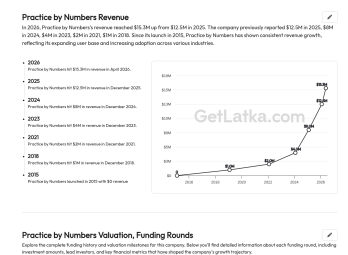
How Practice by Numbers Achieved $16.5M Revenue in 2026 with Innovative SaaS Solutions
2015: Launched Practice by Numbers to Fill a Market Gap Practice by Numbers (PBN), co-founded by Rohit Garg and Dr.…
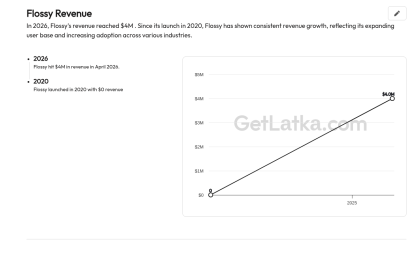
How Flossy Achieved $4M Revenue and Continues to Grow with AI Innovations
In a rapidly evolving world, where technology and healthcare intersect more intricately than ever, Flossy has emerged as a beacon…
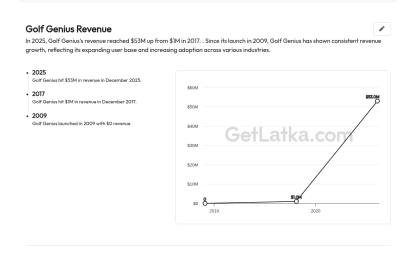
How Golf Genius Revenue Skyrocketed: From Startup to $60 Million Using Strategic Acquisitions
2009: Launching Golf Genius in a Niche Market Golf Genius, founded by Mike Zisman in 2009, began its journey focusing…