
Zoom’s $4.5B Revenue: 8 Secrets Behind Zoom’s $26B Valuation
In 2011, after a decade at WebEx, Zoom’s CEO, Eric Yuan pitched his idea for a better video conferencing tool. The response?… Read More…

In 2011, after a decade at WebEx, Zoom’s CEO, Eric Yuan pitched his idea for a better video conferencing tool.
The response? Rejection.
Eric Yuan: “Every VC I knew said no. They told me, ‘As long as you do something else, we’ll write the check. But don’t build another video tool.’”
Yuan didn’t back down. He returned to his office, changed his screensaver to “You are wrong”.
Eric Yuan: “Every time I saw it, I told myself, I have to prove them wrong.”
By 2020, Zoom had proven the doubters wrong—becoming a household name, connecting 300 million daily meetings, and turning into a $100 billion empire.
What is Zoom’s Valuation?
Zoom’s valuation is $26.75B as of 2025.
What is Zoom’s Revenue?
Zoom revenue reached $4.5B in 2025.
| Year | Revenue |
|---|---|
| 2011 | Launched ($0 revenue) |
| 2021 | $2.7B |
| 2022 | $4.1B |
| 2023 | $4.39B |
| 2024 | $4.5B |
Who is the CEO of Zoom?
The CEO and founder of Zoom is Eric Yuang.
Who Are Zoom’s Competitors?
Zoom’s main competitors are Microsoft Teams, Google Meet, and WebEx.
1. “Every investor told me it was a horrible idea” to IPO
“Every investor told me it was a horrible idea.”
At a time when the video conferencing market was already dominated by giants like Cisco’s WebEx and Microsoft, investors didn’t believe there was room for another player.
But Yuan, confident in his vision, found a gap in the market.

Finding a Gap in the Market
In the early 2010s, Yuan was well-established at Cisco, where he had worked since 1997, becoming Vice President of Engineering at WebEx after its acquisition by Cisco.
Despite WebEx’s dominance, Yuan saw firsthand that it wasn’t solving key customer pain points. He recognized three big problems: poor mobile integration, low-quality video, and complicated interfaces that frustrated users.
He believed he could do better, and in 2011, he decided to leave Cisco and build his own video conferencing platform!
Yuan Approached Over 40 Venture Capitalists
Yuan approached over 40 venture capitalists with his idea, confident that his background would make fundraising easy.
After all, he had helped build WebEx, a product used by millions. But the response was shockingly unanimous…
No.
Investors questioned why he wanted to compete in such a crowded space. They were skeptical of the idea of another video conferencing tool and instead urged him to focus on something else.
According to Yuan, multiple investors told him, “If you work on any other idea, we’ll fund you immediately.”
However, Yuan’s belief in his vision only grew stronger with each rejection.
The “You are wrong” phrase became a daily reminder of the mission ahead: to prove the skeptics wrong and build a platform that would revolutionize the way people communicated.
Bootstrapping Zoom
Without the backing of VCs, Yuan had no choice but to bootstrap the company.
For its first few years, Zoom operated with a small team of 40 engineers, many of whom followed Yuan from his days at WebEx. They worked tirelessly on a product that focused on simplicity, reliability, and user satisfaction.
Zoom officially launched in 2013 with a beta version that could host 15 video participants at once, while competitors like WebEx struggled with glitchy connections and poor mobile support.
The early results were promising. In just its first year, Zoom attracted 1 million users—a clear sign that Yuan’s vision was resonating with people.
But even with this success, investors were still wary. It wasn’t until 2015, when Zoom reached $7 million in annual recurring revenue (ARR), that Yuan was able to bring on the company’s first marketing hire, Tim Soulo, and secure additional funding.
By this point, Yuan’s small team had built a product that was not only competing with giants like Cisco and Microsoft but outperforming them in terms of user satisfaction.
IPO and Zoom’s Explosive Growth
Yuan’s persistence and Zoom’s steady growth eventually paid off. In April 2019, Zoom went public with an IPO that valued the company at $9.2 billion, far exceeding initial expectations.
On its first day of trading, Zoom’s stock price surged by over 72%, closing at $62, up from its initial price of $36 per share.
This was just the beginning. Over the next year, Zoom’s user base would explode, driven by its simple, reliable interface and the growing need for remote communication tools.
By the end of 2020, Zoom was facilitating over 300 million daily meeting participants, and its market cap had soared to $106 billion—a staggering 413% increase in one year.
Key Takeaway:
When investors reject your vision, it’s not the end—it’s often the beginning.
2. Own the Problem, and Act Fast
In 2020, Zoom’s rise came with a potentially devastating problem: a massive security crisis that could have derailed everything.
Instead of crumbling, Zoom turned this into a lesson on how to recover—quickly, openly, and with full transparency.
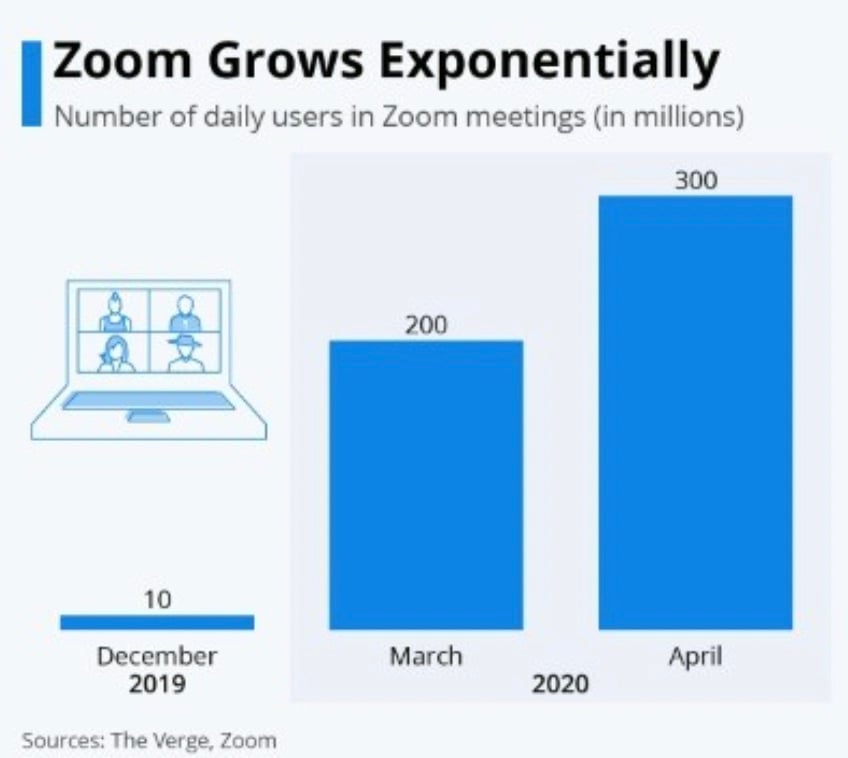
As Zoom’s user base grew from 10 million to 300 million during the first months of the pandemic, the company faced serious security issues.
Unauthorized access to meetings, known as Zoom-bombing, spread rapidly. Personal data was exposed, and high-profile organizations like Google and SpaceX banned the platform. Zoom was at risk of losing everything it had built.
The Secret: Own the Problem, and Act Fast
1. Admit to Mistakes Openly
Transparency is key. As soon as the security issues became public, Eric Yuan took full responsibility. He didn’t deflect or make excuses. Instead, he said:
“We didn’t design the product with the knowledge that, in just a few weeks, the entire world would be using it.”
Yuan communicated directly with users through webinars, explaining the steps Zoom was taking to address the issues. The video above is one of those said webinars!
2. Prioritize Fixing Problems Over Adding New Features
Many companies fall into the trap of adding features instead of fixing what’s broken.
Zoom chose a different path: Yuan committed the next 90 days solely to addressing security.
This wasn’t a minor patch—it involved a $100 million investment to hire over 200 new security experts and bring in industry leaders like Alex Stamos.
3. Act Fast, But Don’t Skip Quality
Zoom’s rapid growth required equally swift changes, but the company also focused on quality. They added essential security features like:
- End-to-end encryption for all users
- Password protection and waiting rooms as defaults for meetings
- Ongoing updates based on real-time feedback from users
Speed without quality can lead to further crises. For SaaS founders, the lesson is clear: be quick, but ensure your fixes are robust and reliable.
The Result: Winning Back Trust
In just a few months, Zoom restored its reputation. Schools, businesses, and high-profile users returned to the platform. By the end of 2020, Zoom’s market cap exceeded $100 billion, and its user base continued to grow.
Key Takeaway:
When a crisis hits, be transparent, prioritize problem-solving over flashy features, and act quickly.
3. Zoom’s Obsession with Simplicity

From the start, Eric Yuan knew that if Zoom was going to stand out, it had to be easy to use—really easy.
The simplicity of Zoom’s interface and its seamless user experience became its secret weapon in a crowded market filled with more complex competitors.
The Importance of Simplicity
One of the biggest lessons Zoom offers to founders is the importance of user experience (UX).
In a space crowded with video conferencing tools like WebEx, Microsoft Teams, and Google Meet, the single factor that repeatedly set Zoom apart was how easy it was for users to get started.
Unlike many of its competitors, Zoom didn’t require any technical expertise to set up or use. There were no complicated configurations or training sessions required to get started.
Seamless Cross-Device UX
Their ability to provide the same experience across different devices was another key part of its success. Whether users were joining from a desktop, smartphone, or tablet, the experience was seamless.
Yuan and his team focused heavily on mobile functionality—a gap he had noticed during his time at WebEx. Zoom allowed users to switch from their phone to desktop or from one call to another effortlessly, a feature that competitors struggled to deliver with the same fluidity.
In fact, Zoom’s cross-platform consistency became one of its biggest differentiators.
By 2020, more than 50% of Zoom users were on mobile devices, further validating Yuan’s decision to prioritize mobile as much as desktop.
Constant Product Iteration
What many don’t know is that Zoom’s simplicity wasn’t accidental—it was the result of constant iteration and obsessive attention to user feedback.
Yuan’s team continuously monitored how users were interacting with the platform and fine-tuned every element to eliminate friction. Even the smallest details, like reducing the number of clicks to start a meeting, were meticulously improved.
Key Takeaway:
Simplicity sells. Zoom’s growth proves that creating a seamless, easy-to-use product can be the difference between surviving and thriving in a competitive SaaS market.
4. Viral Growth Through Word of Mouth and 0 Marketing
How did Zoom go from a startup with no marketing team to a global household name?
Word of mouth.
Growing Without a Marketing Team
When Zoom launched in 2013, it didn’t have a traditional marketing team.
By then, Zoom was already growing rapidly. Yuan’s approach was radical in the SaaS space, where many companies pump money into advertising and lead generation early on. Instead, Yuan relied on the power of referrals and word of mouth.
Zoom’s simplicity and ease of use were its best marketing tools. Users who loved the product recommended it to others, and businesses began switching from more complicated solutions like WebEx and Microsoft Teams. Yuan believed that if the product was strong enough, it would sell itself—a strategy that proved to be incredibly effective.
Leveraging Early Adopters
Another key to Zoom’s viral growth was its early adopter strategy. Yuan knew that targeting the right communities could fuel growth.
These early users became Zoom’s biggest advocates, and their recommendations carried weight in their circles.
As these early adopters shared Zoom with their networks, the platform began spreading organically.
Yuan also tapped into SEO forums and LinkedIn groups, where users were already discussing tools for remote work and video conferencing, allowing Zoom to gain momentum among key influencers in the space.
Product-Led Growth
Zoom’s growth strategy is a classic example of product-led growth (PLG). Instead of relying on heavy marketing or a large sales force, Zoom used the strength of its product to drive adoption.
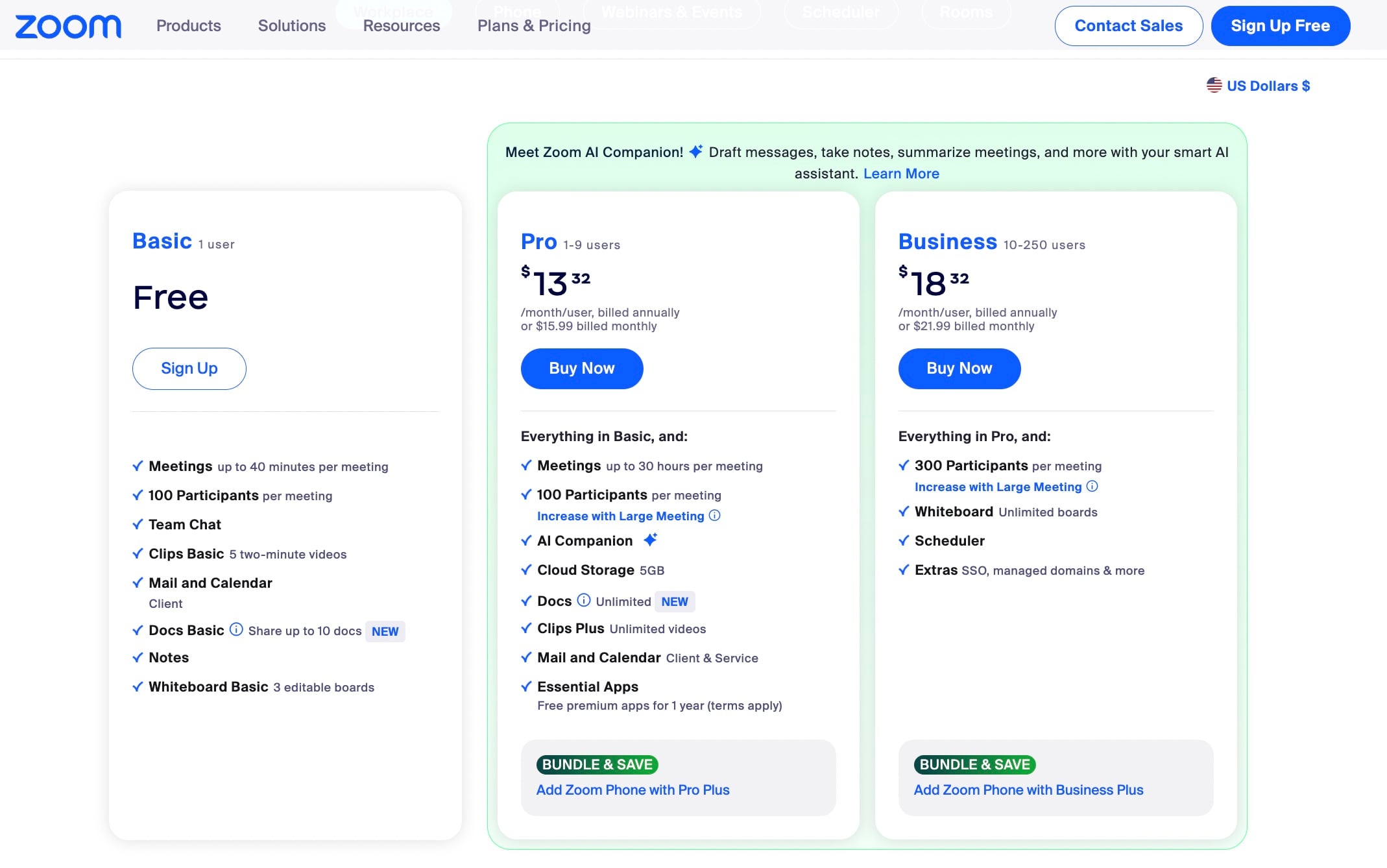
Free users could easily host meetings with up to 40-minute limits, giving them a taste of the full product. This freemium model allowed millions of users to try Zoom with no upfront cost, and many later upgraded to paid plans once they saw the value.
By the time the COVID-19 pandemic hit in early 2020, Zoom was perfectly positioned for an explosion in users. While competitors scrambled to adapt to increased demand, Zoom’s intuitive product and viral word-of-mouth strategy had already made it a familiar name.
The company went from 10 million to 300 million daily meeting participants in just four months, cementing its place as the go-to video conferencing solution worldwide.
Key Takeaway:
Let your product do the talking. Zoom’s viral growth shows that when you focus on creating an exceptional product, users will become your best marketing team. Word of mouth and a strong freemium model can drive incredible adoption, even without a massive marketing budget.
5. Secrets of Converting Millions of Free Users into Paying Customers
What if you could build a product so good that people naturally upgrade without ever being pushed?
For Zoom, this wasn’t just a dream—it was a reality. Zoom’s product-led growth (PLG) strategy became one of its strongest weapons in scaling from a small startup to a $22 billion global company.
Why Product-Led Growth Works
Unlike traditional growth strategies that rely on heavy marketing or extensive sales teams, product-led growth (PLG) focuses on letting the product drive user acquisition, expansion, and retention.
In Zoom’s case, its freemium model was the cornerstone of this strategy. The premise was simple: users could access basic features for free, and when they realized how essential the platform was, many would naturally upgrade to paid plans to unlock more features.
No aggressive marketing or sales tactics—just a great product that speaks for itself.
This is a critical lesson: invest in building a product that people love to use, and growth can follow organically. Zoom capitalized on this by providing such a seamless experience that users saw real value from day one.
1. The Freemium Model: Zoom’s Key to Viral Adoption
Zoom offered a generous free tier—users could host unlimited one-on-one meetings and group meetings of up to 40 minutes without paying a cent.
This freemium model worked because it gave potential customers a taste of the product’s core functionality with no friction, encouraging widespread adoption.
At the height of the pandemic, this free offering became critical as millions of people worldwide sought out video conferencing solutions.
But what made Zoom’s freemium model so successful was that it was more than a trial—it provided a robust solution even at the free level. According to TechCrunch, by 2017, Zoom had over 30,000 paid customers despite having millions of free users.
These paying customers typically started with the free product, saw how it met their needs, and then upgraded for more features like unlimited group meetings, cloud storage, and advanced security.
Zoom’s ability to convert free users into paying customers was not just a byproduct of the pandemic—it was the result of strategic planning and a deep understanding of how to balance value across both free and paid tiers.
2. How Zoom Handled User Feedback to Improve the Free Product
A crucial element of Zoom’s product-led growth was its responsiveness to user feedback, especially from free users.
Eric Yuan’s leadership made sure that the company constantly listened to users and iterated based on their needs.
Even before Zoom had scaled globally, Yuan actively monitored forums and engaged with users directly to find out what worked and what didn’t.
This close attention to feedback allowed Zoom to optimize the product continually, not only retaining free users but also encouraging upgrades. Features like the waiting room and password-protected meetings, which became essential during the pandemic, were born out of this proactive approach to user feedback.
For SaaS founders, this is a powerful lesson: your free users are just as important as your paying customers. Engage with them, learn from them, and improve your product based on their experiences. These users can become your most valuable advocates, and if the product evolves with their needs, they’ll likely convert to paying customers.
3. Scaling Through Word of Mouth
Zoom’s freemium model and product-led growth strategy fueled a viral spread. Free users could easily experience and share the platform, expanding Zoom’s reach rapidly.
In the early years, Zoom relied on product quality rather than paid marketing. The goal was to make it so good that people would naturally recommend it.
By 2020, the referral program became a key growth engine. Satisfied users were encouraged to invite others. As more people joined and experienced Zoom’s simplicity, they spread the word even further.
This snowball effect led to exponential growth. According to Business Insider, Zoom’s user base reached over 300 million daily meeting participants in 2020. The freemium model made it easy for new users to join, marking one of the most dramatic expansions in SaaS history.
The Power of Product-Led Growth for SaaS
Zoom’s growth shows how product-led strategies can transform a business. By focusing on a user-first product with immediate value, Zoom scaled quickly without traditional sales or marketing. Free users became its top advocates, and paying customers followed naturally.
The takeaway is clear: build a product that speaks for itself. Offer a free tier that showcases your core value, engage closely with users, and iterate constantly.
If the product delivers real value, your users will turn into your most effective marketing team.
Key Takeaway:
A great product drives its own growth. By offering real value through a freemium model and listening closely to users, Zoom turned free users into loyal paying customers, proving that product-led growth is one of the most powerful strategies for scaling a SaaS business.
6. Customer-Centric Innovation: How Zoom Built the Features Users Wanted
Zoom’s rise wasn’t just about having a great product from the start—it was about listening to users and continuously adapting. By focusing on customer feedback, Zoom didn’t just meet user expectations; it consistently exceeded them by innovating in response to real-world needs.
From Startups to Enterprises
Even in the beginning, Yuan focused on user feedback. As Zoom grew, this approach only intensified.
While other SaaS companies stuck to fixed development cycles, Zoom stayed flexible, constantly adapting to user needs. This became vital as schools, healthcare, and enterprises joined the platform.
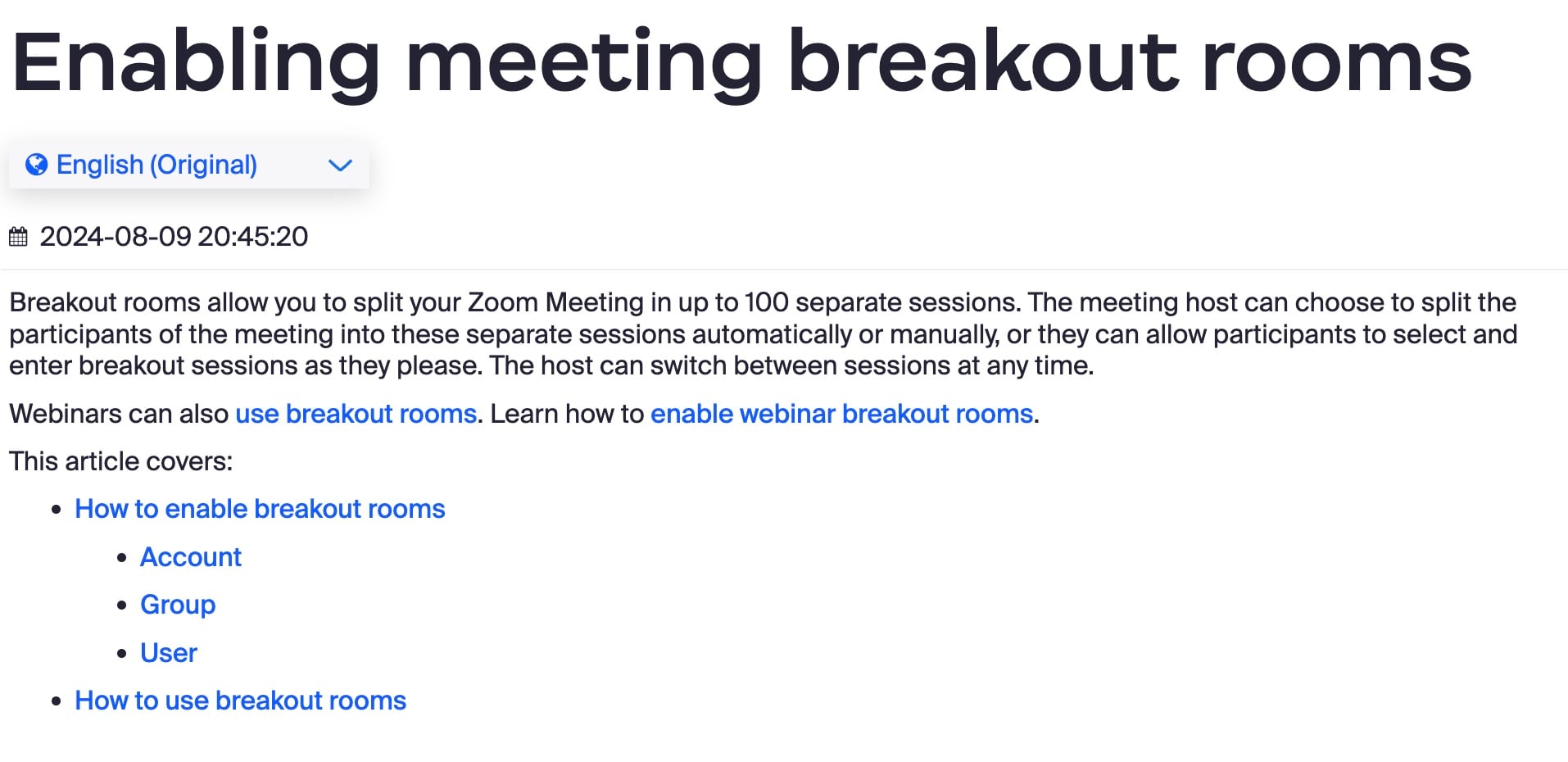
The breakout rooms feature emerged from this focus on users. Educators, moving to online learning, needed a way to split students into small groups.
Zoom delivered quickly, making it user-friendly. The feature soon gained popularity in corporate training and virtual conferences.
Rapid Feature Development During the Pandemic

Zoom’s ability to pivot and deliver new features rapidly during the COVID-19 pandemic was perhaps the greatest example of its customer-centric innovation.
As its user base surged from 10 million to 300 million daily meeting participants in just a few months, new use cases emerged almost daily.
Zoom adapted by introducing new features like waiting rooms and meeting passwords to address security concerns—a direct response to the surge in Zoom-bombing incidents.
The company didn’t just stop at patching security holes. It introduced telehealth solutions to cater to the rising demand for online healthcare, and telemedicine integrations allowed doctors to conduct patient consultations seamlessly.
How Feedback Led Zoom’s Public Roadmap
An additional way Zoom set itself apart from competitors was its use of a public roadmap, where users could see upcoming features and provide feedback on what they wanted to see next.
This transparency fostered a sense of collaboration between Zoom and its users, encouraging more engagement and trust.
For instance, when Zoom announced plans to roll out end-to-end encryption for all users, it was initially going to be a paid-only feature. However, after listening to community feedback and considering public sentiment, Zoom extended this feature to its free users as well, further cementing trust and loyalty among its user base.
The lesson here for SaaS founders is that users are a treasure trove of insights. By listening, Zoom could solve problems before they escalated and continuously refine its product to match the growing needs of its expanding customer base.
Mixing Innovation with User Experience
What truly set Zoom apart was not just the addition of features, but how seamlessly they were integrated into the existing user experience.
Every update, from virtual backgrounds to multi-sharing capabilities, was designed to maintain the platform’s core strength: simplicity. While many products become cluttered as they scale and add more functionality, Zoom retained its hallmark ease of use despite rapid expansion.
This approach made Zoom a favorite among businesses and educational institutions, both of which required a balance between advanced functionality and ease of use. Zoom’s ability to introduce innovation without compromising user experience is a key takeaway for SaaS companies: focus on creating solutions that blend seamlessly into your product’s core strengths.
Key Takeaway:
Innovation doesn’t have to come at the cost of simplicity. By constantly listening to users and integrating their feedback, Zoom managed to innovate while keeping its platform user-friendly.
7. How Zoom’s Partnerships Powered Its Global Growth
As much as Zoom’s success can be attributed to its product and user-centric approach, another critical factor in its rapid rise to dominance was its strategic partnerships. From integrations with major platforms to alliances with hardware companies, Zoom leveraged partnerships to scale globally and reach a diverse range of users.
Early Partnerships

One of Zoom’s first major growth strategies was integrating with other platforms that were already widely used.
Yuan understood that user accessibility wasn’t just about having a great standalone product—it was about ensuring that Zoom worked seamlessly with the tools people were already using. By integrating with major platforms like Slack, Salesforce, and Google Calendar, Zoom made it easy for users to schedule and join meetings without leaving the applications they were familiar with.
These integrations helped Zoom tap into a broad user base quickly. For example, by integrating with Slack, Zoom became the go-to video conferencing tool for the millions of Slack users who needed a seamless way to collaborate via video.
Similarly, the Salesforce integration allowed Zoom to position itself as a powerful tool for sales teams, offering video meetings embedded directly in CRM workflows.
These partnerships amplified Zoom’s visibility and ease of use, making it an attractive choice for teams who didn’t want to jump between different apps to get their work done.
Hardware Partnerships
Beyond software integrations, Zoom’s partnerships with hardware companies played a key role in driving its growth, particularly in the enterprise sector. Yuan and his team worked closely with hardware providers like Logitech, Polycom, and Crestron to create video conferencing systems specifically optimized for Zoom.
These partnerships allowed businesses to set up Zoom-enabled conference rooms with ease, combining Zoom’s software with high-quality cameras, microphones, and screens. This was a huge win for enterprises looking for an all-in-one solution to their remote communication needs. Zoom Rooms, as these setups became known, were quickly adopted by businesses and educational institutions, further solidifying Zoom’s dominance in the market.
By 2020, Zoom had partnered with over 50 hardware providers, allowing users to integrate Zoom with their existing conference room setups or build new ones optimized for the platform. This strategy was especially valuable for large organizations, which needed reliable, high-quality video conferencing solutions at scale.
Expanding Global Reach: Telecom and Cloud Partnerships
To support its massive user growth, particularly during the pandemic, Zoom had to scale its infrastructure quickly. This is where cloud partnerships played a crucial role. Zoom partnered with major cloud providers like Amazon Web Services (AWS) and Oracle Cloud to ensure that its platform could handle the surge in usage, maintaining high-quality video and audio even as millions of new users signed on daily.
Zoom’s reliance on AWS allowed it to scale its computing power on-demand, avoiding the technical bottlenecks that could have crippled its growth. Additionally, Zoom’s partnership with Oracle Cloud helped diversify its cloud infrastructure, providing redundancy and enhancing the platform’s reliability—a critical factor for enterprises and schools alike that were now relying on Zoom for mission-critical communication.
By using multiple cloud providers, Zoom built a scalable, resilient infrastructure that could handle global demand while minimizing downtime. This approach gave Zoom a competitive edge, as competitors like Microsoft Teams and Google Meet struggled to maintain service quality during the surge in usage.
Strategic Partnerships with Telecom Providers

In addition to cloud partnerships, Zoom also formed alliances with major telecom providers like Verizon and AT&T to enhance the Zoom Phone service. Launched in 2019, Zoom Phone extended the platform’s capabilities beyond video conferencing, offering a full-fledged voice solution for businesses. With telecom partnerships, Zoom could offer a seamless, integrated solution for voice, video, and chat, making it an even more attractive option for enterprise customers.
These telecom partnerships were particularly important for businesses looking to consolidate their communication tools into one platform, eliminating the need for separate vendors for voice and video. As a result, Zoom Phone quickly gained traction, with over 1.5 million users by 2021, further expanding Zoom’s enterprise footprint.
Why Partnerships Matter for Growth
Zoom’s ability to scale quickly and efficiently wasn’t just about having a great product—it was about building a robust ecosystem through strategic partnerships. By integrating with major software platforms, partnering with hardware providers, and leveraging cloud and telecom alliances, Zoom expanded its reach, enhanced its product offering, and ensured the platform was scalable and reliable.
The lesson here is clear: strategic partnerships can accelerate growth by expanding your user base, improving your product, and scaling your infrastructure. By identifying key partners who complement your product and serve the same user base, you can amplify your impact and grow faster than you could alone.
Key Takeaway:
Zoom’s strategic partnerships—across software, hardware, cloud, and telecom—enabled it to scale globally, serve a diverse range of customers, and maintain high-quality service during periods of rapid growth. For SaaS companies, building strong alliances can be the key to scaling efficiently and staying ahead of the competition.
8. Always Innovate: Pivoting to a Platform for Hybrid Work
In 2020, Zoom became a household name for video conferencing, but Eric Yuan always had a grander vision for the company. As remote work shifted toward a hybrid model, Zoom began its transformation into something much bigger: a full-fledged collaboration platform for the future of work.
Zoom’s Evolution into a Hybrid Work Platform
Zoom’s initial success was built on the simplicity of its video conferencing tool, but Yuan knew that to remain competitive and relevant in the post-pandemic world, Zoom needed to evolve.
Enter the era of hybrid work—a combination of remote and in-office employees—and Zoom’s strategic pivot to become a comprehensive communication platform.
Yuan and his team expanded beyond video calls, launching a suite of products that cater to all communication needs within organizations. This new direction was crucial for Zoom’s future as companies began demanding more than just video conferencing to support their decentralized workforces. Features like Zoom Phone, Zoom Team Chat, and Zoom Events were introduced, making Zoom an all-in-one platform for meetings, voice calls, webinars, and real-time collaboration.
Zoom Phone
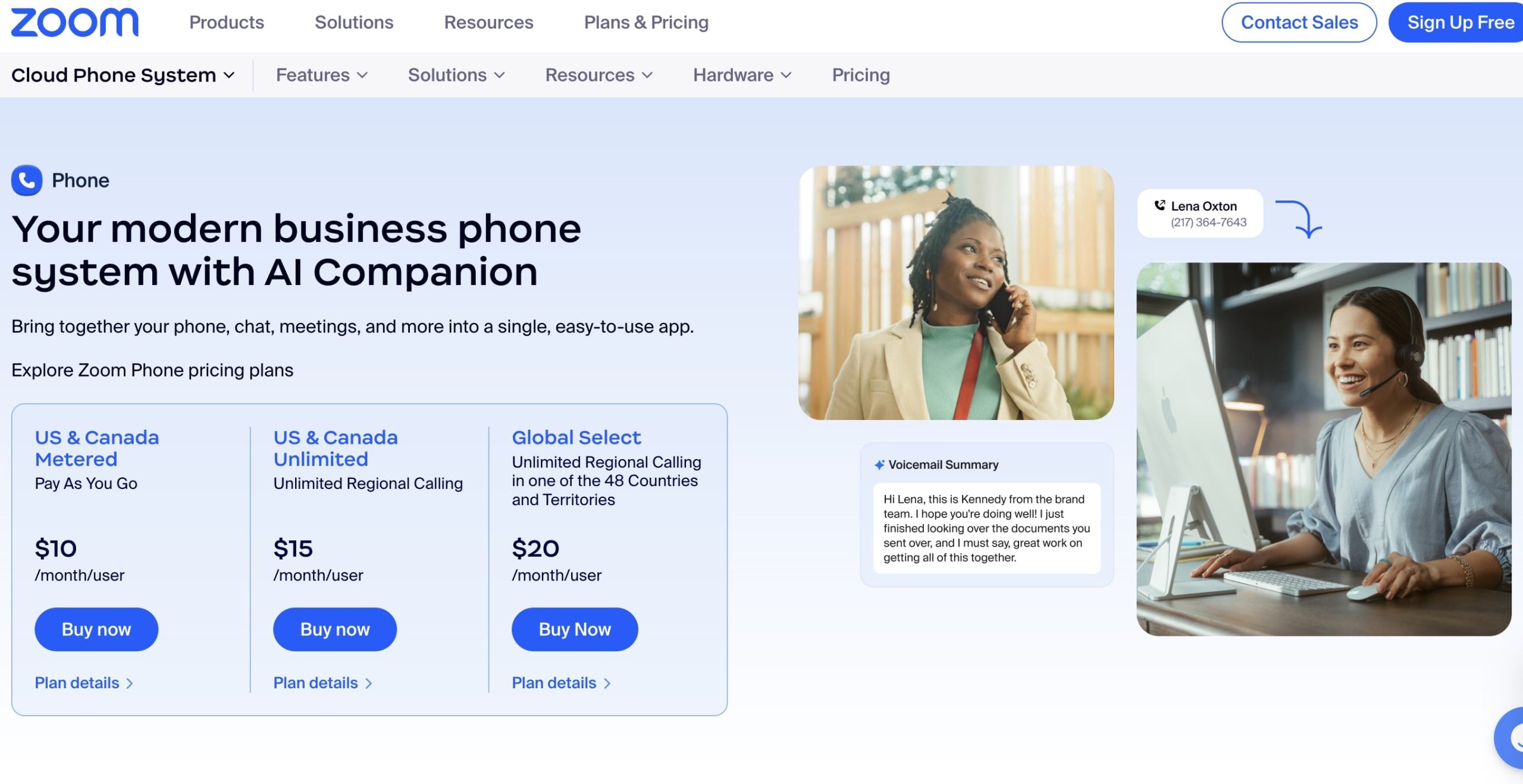
One of the most significant components of Zoom’s expanded platform was the introduction of Zoom Phone. Launched in 2019, Zoom Phone is a cloud-based voice solution designed for businesses. By integrating phone services directly into Zoom’s platform, companies could streamline their communications into a single system. Employees could seamlessly switch between video, voice, and chat without leaving the Zoom ecosystem.
By 2023, Zoom Phone had reached over 1.5 million users globally, making it one of the fastest-growing components of Zoom’s business. This product allowed Zoom to compete with traditional telecom services, adding another revenue stream while ensuring businesses didn’t need to rely on multiple providers for their communication needs.
This shows the importance of diversifying product offerings to meet evolving customer needs. Zoom capitalized on its existing relationships with businesses and expanded horizontally to offer more value within its core platform.
Zoom Team Chat
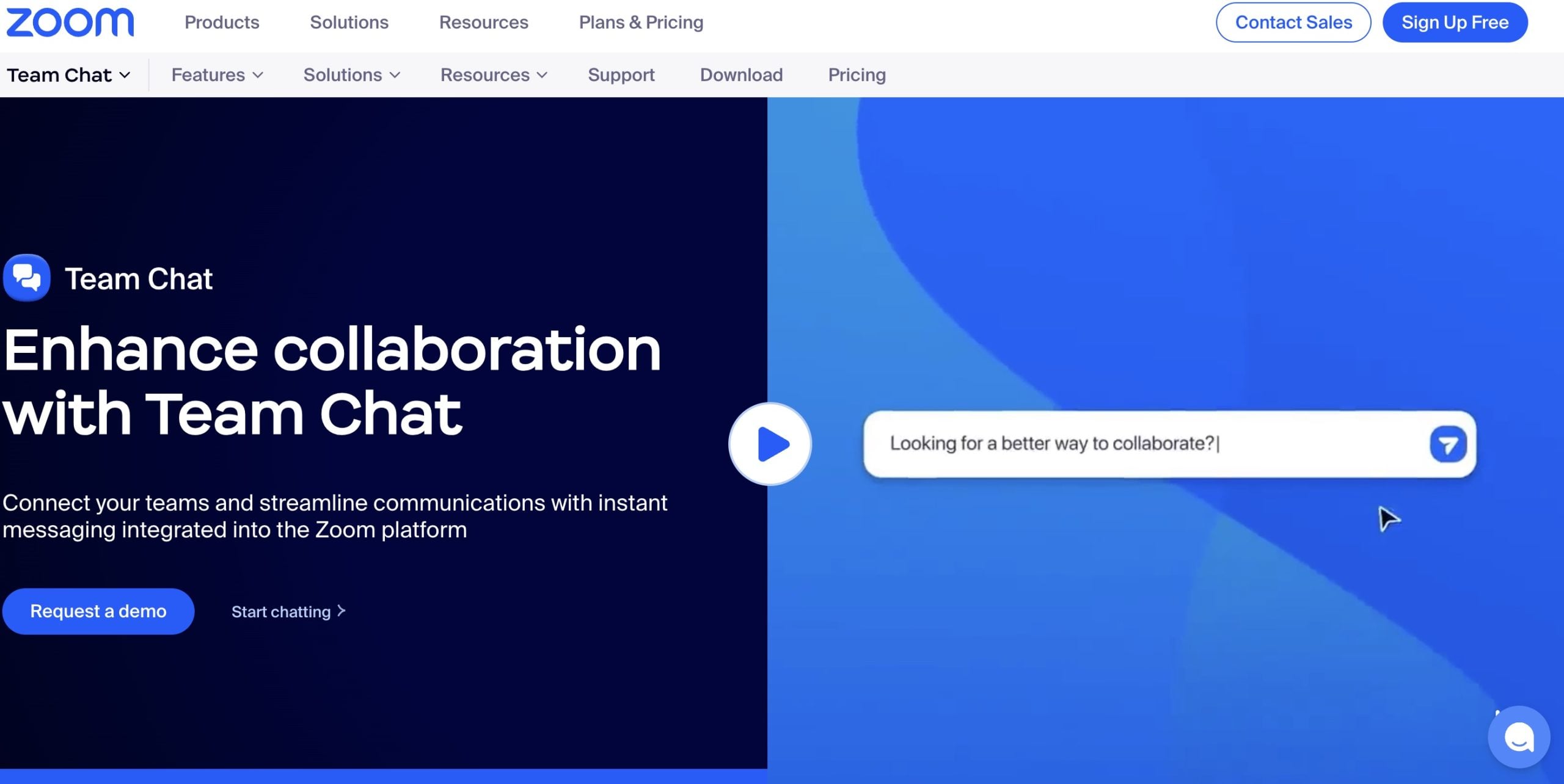
Another strategic move was the development of Zoom Team Chat, which provided businesses with a messaging platform integrated directly into Zoom. This feature was a direct response to competitors like Slack and Microsoft Teams, which had already dominated the business communication space with their messaging capabilities.
Zoom Team Chat allows users to switch effortlessly between chat, video meetings, and phone calls, all within one platform. This level of integration provided a seamless communication experience that kept everything within the Zoom ecosystem, helping users avoid the friction of switching between multiple tools.
By centralizing all forms of communication—video, voice, and chat—Zoom became more than just a video conferencing tool; it became an integral part of the daily workflow for thousands of organizations.
Zoom Events: Bringing Virtual Events to Life
One of Zoom’s most forward-thinking innovations has been Zoom Events, which caters to the growing demand for virtual and hybrid events. As the world adapted to pandemic restrictions, virtual events became essential for businesses, educational institutions, and even social gatherings.
Zoom Events allows companies to host large-scale virtual conferences, webinars, and multi-session events. The platform enables full event management, including ticketing, attendee tracking, and branded experiences.
Zoom’s foray into virtual events highlights a valuable lesson: pivoting to meet emerging trends can open new markets.
By anticipating the continued importance of hybrid events, Zoom positioned itself to be a leader in this space.
Zoom & AI

As Zoom continues to evolve, it is leaning heavily into artificial intelligence (AI) to enhance the platform’s capabilities.
AI-powered features like real-time transcription, automated meeting summaries, and virtual meeting assistants are just the beginning. Yuan believes AI will play a crucial role in making remote and hybrid work more efficient and productive.
AI will also help improve user experiences by analyzing meeting data, offering personalized suggestions for scheduling, and automating routine tasks.
Zoom’s investment in AI will allow the platform to handle more complex, real-time collaboration challenges while freeing up users to focus on more important tasks.
Zoom’s embrace of AI demonstrates the importance of staying ahead of technological trends.
What Zoom’s Future Strategy Means for Us
Rather than resting on its success, Zoom has expanded its offerings. It include voice, chat, virtual events, and AI-driven features, ensuring it remains a relevant player in the future of work.
This strategy offers several important lessons:
- Diversify your product offerings: Expanding horizontally to offer new solutions to existing customers can open up new revenue streams.
- Capitalize on emerging trends: Whether it’s hybrid work, virtual events, or AI, staying ahead of industry trends is key to long-term success.
- Integrate for a seamless user experience: Centralizing communication within a single platform, as Zoom has done, can create stickier products that users rely on for their daily workflow.
Key Takeaway:
Zoom’s ability to innovate beyond video conferencing and become an all-encompassing hybrid work platform is a masterclass in adaptability.