5 Ways GitLab Grew to $579M in Revenue Despite Recent Slip


- CEO: Sid Sijbrandij
- Valuation: $7.95B
- Revenue: $579.9M
GitLab has emerged as a leader in the DevOps space, growing its revenue to an impressive $579.9 million in 2024.
In this article, we will explore the five key strategies that have enabled GitLab to grow rapidly and maintain its competitive edge in the industry despite recent challenges.
- Launched in 2012
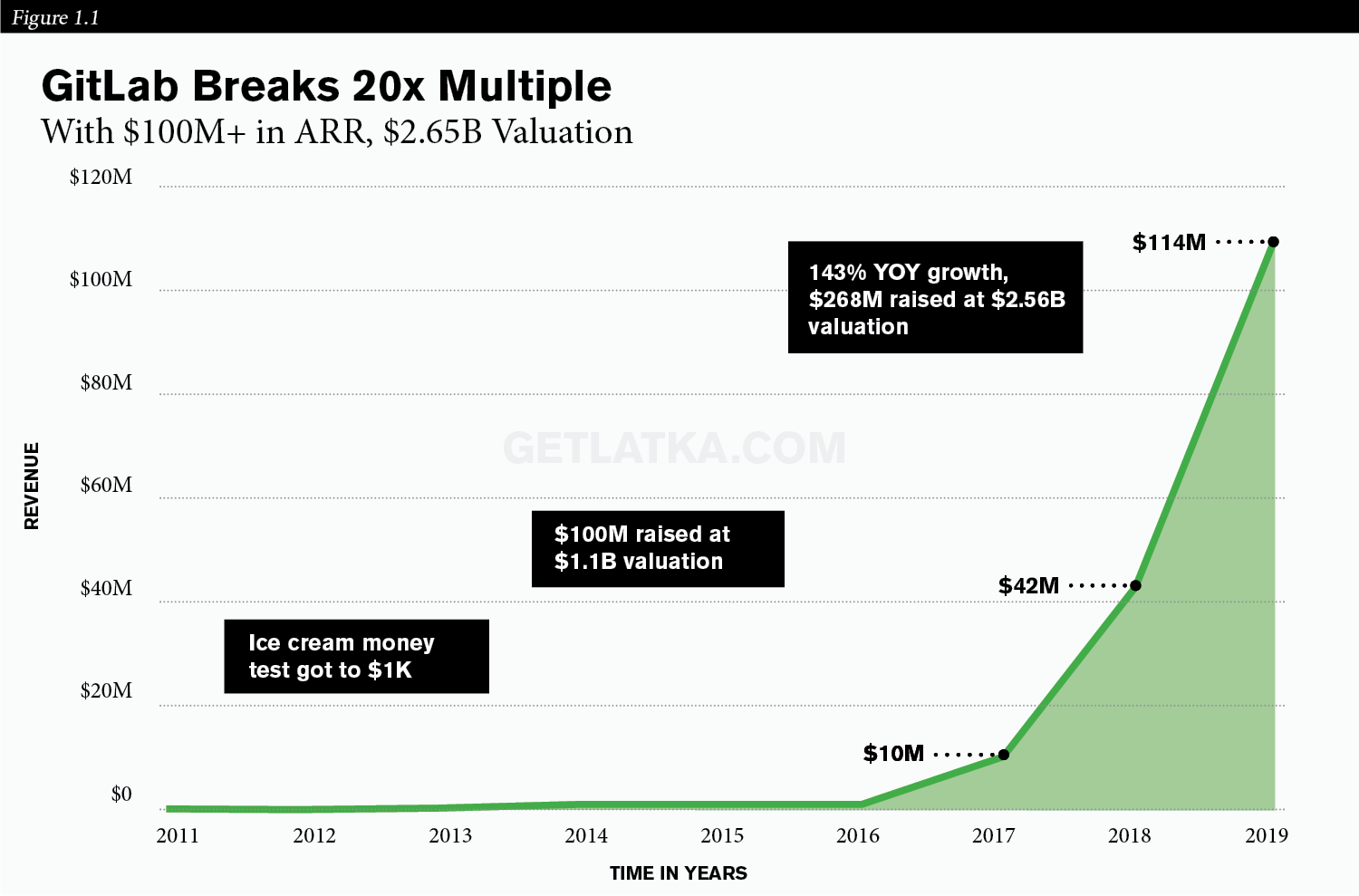
- $120M ARR in 2019
- $233M ARR in 2021
- $579M ARR in 2024
1. Focusing on Revenue Growth and Scaling
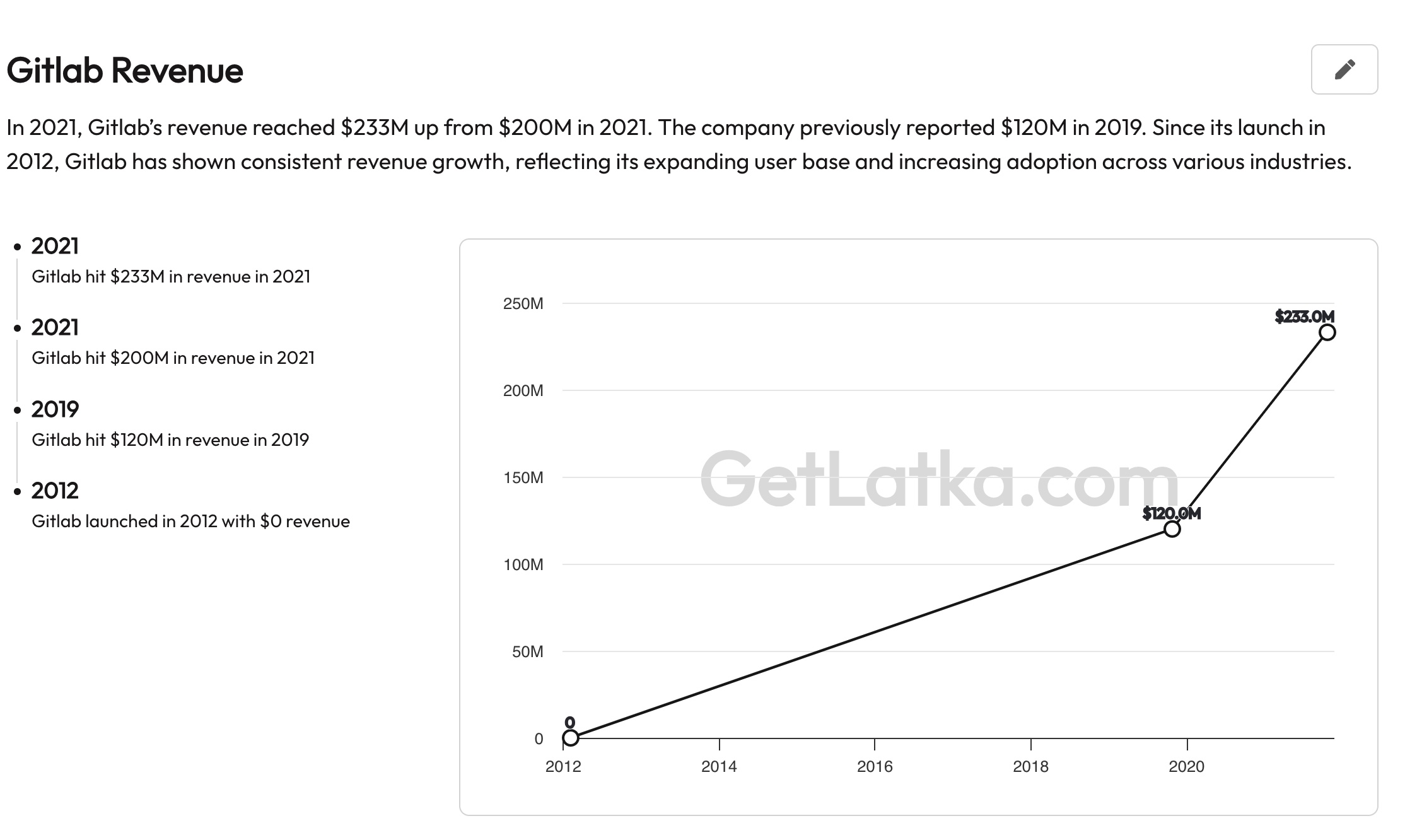
GitLab’s revenue has seen consistent growth, hitting $579.9 million in 2024.
The company’s growth is reflected in its strong non-GAAP operating margin of -0.2%, highlighting scaling alongside rapid revenue expansion.
Sijbrandij emphasized the importance of balancing growth and sustainability, noting:
“You shouldn’t celebrate funding by itself. We raised funds to ensure every part of GitLab matures—not just one or two areas.”
A key driver of GitLab’s growth has been its ability to attract a diverse range of customers, from startups to large enterprises.
GitLab’s single application approach, integrating every aspect of the DevOps lifecycle, has proven appealing to companies seeking a comprehensive solution.
This has helped GitLab maintain strong customer retention and expand existing accounts. By focusing on both customer acquisition and expansion, GitLab has grown its revenue base consistently.
GitLab has also reinvested in its core offerings, such as version control and CI tools, while expanding into areas like monitoring and security to enhance the customer experience.
2. A Strategic Approach to Valuation and Funding
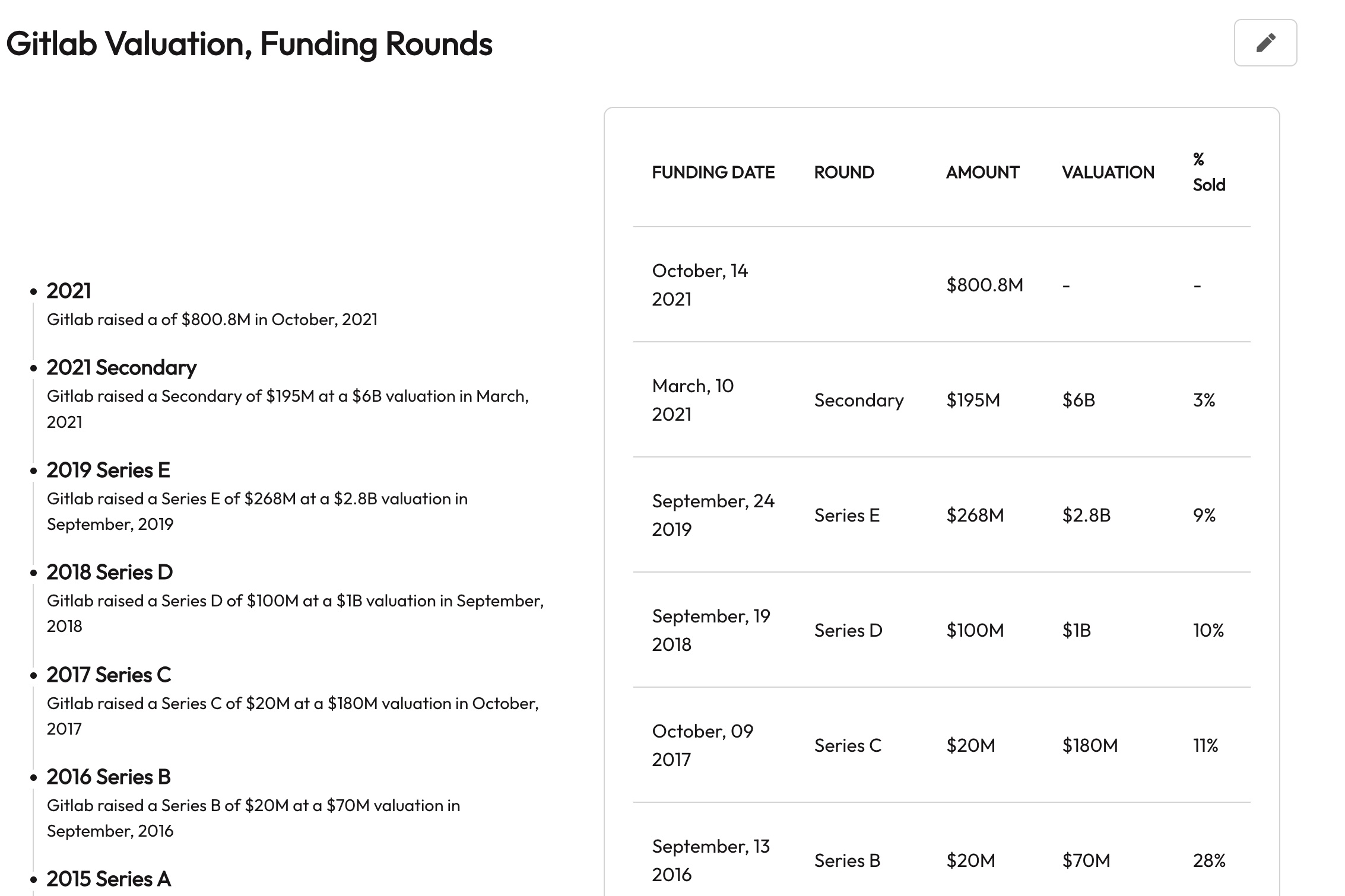
GitLab’s valuation has grown significantly over the years. In its latest funding round, GitLab raised $268 million, valuing the company at $2.75 billion post-money. As of 2024 GitLab has a valuation of $7.95B.
Sid Sijbrandij’s approach to funding has focused on raising money in a way that keeps control of the company while making sure there are enough resources to grow effectively.
- By raising funds in a structured manner, GitLab has supported its growth plans while positioning itself for an eventual IPO or direct listing.
- This funding strategy has allowed the company to innovate without over-leveraging its financials.
Sid emphasized the importance of financial flexibility.
- By structuring funding rounds with long-term investors, GitLab has secured the capital needed to grow while retaining the option to go public when the timing is right. This has provided GitLab with the stability to weather market fluctuations and keep investing in its product.
3. Competing in the DevOps Market
In a highly competitive landscape that includes giants like GitHub and Atlassian, GitLab has differentiated itself through its comprehensive platform approach.
Unlike many competitors, GitLab provides a single application covering the entire DevOps lifecycle—from planning and development to monitoring and security.
This unique offering has helped GitLab gain traction in over 100,000 organizations, with 10,000 paying customers!
Sijbrandij’s strategy involves catering to both large enterprises and small businesses, maintaining inclusivity for a wide range of clients.
“We really appreciate smaller businesses also working with GitLab. It’s fitting for our open core project, and we don’t want to stop serving them just because we’re growing.”
-Sid Sijbrandij, CEO of Gitlab
This approach has helped GitLab stand out, particularly among small businesses seeking robust yet accessible DevOps solutions.
GitLab’s single, integrated platform has also helped it compete effectively on price and ease of use.
By offering all DevOps tools in one application, GitLab reduces the complexity and cost of managing multiple tools, making it attractive for companies of all sizes. This comprehensive approach has allowed GitLab to capture market share from competitors with more fragmented solutions.
4. CEO Sid Sijbrandij’s Take on Leadership

Sid Sijbrandij’s vision has been instrumental in GitLab’s success. Since its founding in 2012, Sid has focused on empowering open source and building a great product.
His leadership has fostered a culture of transparency and inclusivity, with GitLab maintaining an all-remote team across over 55 countries.
As of 2024, GitLab’s team has grown to 900 employees, demonstrating the company’s commitment to scaling its workforce along with its revenue.
Sid’s approach to growth emphasizes creating optionality—whether by maintaining a flexible route to IPO or structuring funding rounds with long-term investors. This foresight has allowed GitLab to navigate challenges effectively while positioning itself for future growth.
A key aspect of Sid’s leadership has been his commitment to transparency.
GitLab operates with a high level of openness, making its company handbook publicly available. This transparency extends to the company’s financials and strategic goals, fostering trust with both employees and customers.
By building a culture of openness, Sid has created an environment where employees feel empowered to contribute, which has been a major factor in GitLab’s growth.
5. Preparing for the Future: Innovation and Expansion
GitLab’s focus on continuous innovation is a primary reason for its growth.
The company has invested heavily in research and development, spending $50 million annually on enhancing its products and adding new features. This emphasis on expanding GitLab’s capabilities ensures that the platform remains relevant and valuable to its users.
One area of innovation GitLab has focused on is improving the user experience by integrating artificial intelligence and machine learning into its platform.
These new features help developers work more efficiently by automating repetitive tasks and providing intelligent insights. By staying at the forefront of technology, GitLab ensures that its platform meets the evolving needs of its users.
Looking ahead, GitLab aims to leverage its “single application” approach to make DevOps simpler and more efficient.
Sid has hinted at a potential IPO or direct listing, but emphasized GitLab’s focus on creating an “infinite runway” that allows the company to be self-sustainable.
Highlighting the company’s emphasis on financial resilience, Sid stated:
“We always make sure we can get back to cash flow break-even.”
GitLab is also planning to expand its presence in international markets, focusing on regions where DevOps adoption is still in the early stages. By entering these markets early, GitLab aims to establish itself as the go-to DevOps platform and capture significant market share as demand grows.
Where GitLab Goes from Here

Despite some recent challenges, including a 25.3% decline in its stock year-to-date, GitLab remains a resilient force in the DevOps space.
CFO Brian Robbins recently highlighted GitLab’s ability to balance revenue growth with responsible spending. The company achieved 33% revenue growth while maintaining positive cash flow, and AI remains a significant area of focus.
GitLab has partnered with leading tech companies to enhance its AI offerings, which are expected to drive productivity and bring more value to customers. With a clear strategy and ongoing product innovations, GitLab is well-positioned for future success.
For those interested in more insights from GitLab CEO Sid Sijbrandij, you can watch the full interview below:

Tags
Recent Articles
How Practice by Numbers Achieved $16.5M Revenue in 2026 with Innovative SaaS Solutions
2015: Launched Practice by Numbers to Fill a Market Gap Practice by Numbers (PBN), co-founded by Rohit Garg and Dr.…
How Flossy Achieved $4M Revenue and Continues to Grow with AI Innovations
In a rapidly evolving world, where technology and healthcare intersect more intricately than ever, Flossy has emerged as a beacon…
How Golf Genius Revenue Skyrocketed: From Startup to $60 Million Using Strategic Acquisitions
2009: Launching Golf Genius in a Niche Market Golf Genius, founded by Mike Zisman in 2009, began its journey focusing…