How Dashlane Hit $24M Revenue Using Strong Engagement and Smart Debt Financing

Introduction: Understanding Dashlane’s Journey to $24M ARR
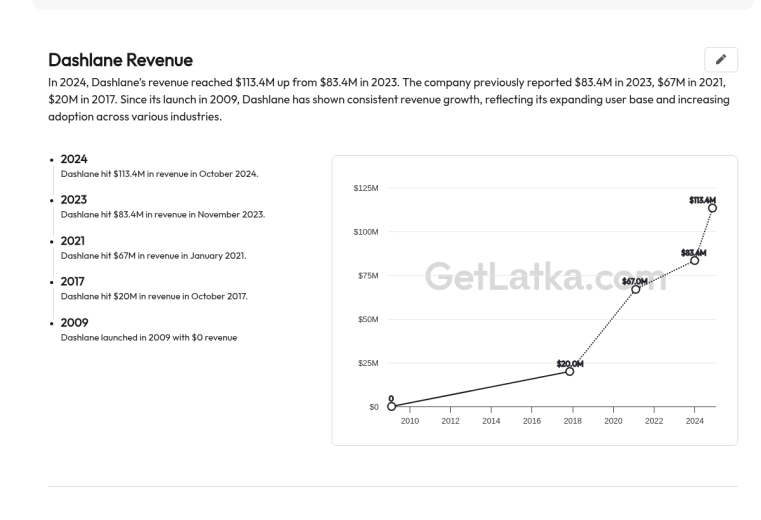
In the world of digital security, Dashlane has emerged as a leader, providing one of the best password management solutions globally. Under the leadership of CEO Emmanuel Schalit, Dashlane has not only expanded its user base but also achieved impressive revenue milestones. This blog post will explore the strategies and tactics that Dashlane employed to reach $24M in annual recurring revenue (ARR), focusing on key metrics, actionable insights, and specific growth tactics that drove this success.
For further information about Dashlane, visit their GetLatka company profile or their official website.
2018: From $14M to $24M ARR with an 80% Revenue Growth
In 2018, Dashlane experienced a significant leap in growth, with revenue increasing by more than 80%. This growth was attributed to a focused revenue model that relied heavily on user subscriptions. According to Schalit, Dashlane hit $24M in ARR by ensuring that all revenue came from paying subscribers, whether individuals or businesses. This transparency in their business model helped build trust with their users, a critical factor in their success.
Schalit noted that the company was about to hit the 10 million user milestone, with a substantial portion being paying subscribers. This growth trajectory was supported by an aggressive strategy focused on user engagement rather than direct revenue generation.
How Dashlane Achieved a 105% Net Revenue Retention Rate
One of the most impressive metrics Dashlane achieved is a 105% net revenue retention rate. This indicates that the company not only retained its existing customers but also increased the revenue from these customers over time. The secret to this achievement lay in their focus on user engagement. Schalit mentioned that their strategy was to enhance user engagement, which naturally led to increased retention and revenue.
Key to their engagement strategy was ensuring users added 10 or more passwords to their Dashlane account quickly and installed the app on multiple devices. These actions significantly increased the likelihood of users staying with Dashlane for the long term and eventually converting to paid subscribers.
Innovative Features: Driving Engagement and Conversion
Dashlane’s product innovation played a crucial role in driving user engagement. One notable feature introduced was the ability to connect Dashlane to a user’s email, allowing for automatic scanning and importing of accounts. This feature was particularly appealing to mobile-first users, who represented a growing segment of Dashlane’s user base.
By making it easy for users to secure their accounts and identify potential breaches, Dashlane reduced the friction in onboarding and increased the likelihood of conversion. This focus on user experience and security helped Dashlane maintain a low churn rate and high user satisfaction.
Scaling User Acquisition: The Role of Paid Advertising
To reach more potential users, Dashlane invested heavily in advertising, including national TV campaigns in the U.S. This investment was aimed at educating the market about the importance of digital identity protection and the solutions Dashlane offers. Schalit revealed that Dashlane was spending close to a million dollars monthly on direct paid advertising, a significant increase from previous levels.
Despite the high advertising spend, Dashlane maintained capital efficiency by ensuring their customer acquisition costs (CAC) remained manageable. The company achieved this by leveraging their strong unit economics and short payback periods, which were significantly less than a year.
Smart Debt Financing: Fueling Growth with Minimal Dilution
Dashlane’s growth was further accelerated by their strategic use of debt financing. Schalit explained that due to their predictable cash flows and strong retention metrics, Dashlane was able to secure favorable debt terms. This approach allowed the company to fund user acquisition without diluting equity, providing a cost-effective way to fuel growth.
By focusing on debt rather than equity financing, Dashlane avoided the pitfalls of overvaluation and excessive dilution. This strategy provided the flexibility needed to scale the business efficiently and respond to market opportunities.
Conclusion: The Future of Dashlane and the Digital Security Landscape
As Dashlane continues to grow, the company remains focused on its core mission of enhancing digital security for individuals and businesses. With accelerating growth and favorable market trends, Dashlane is well-positioned to continue its trajectory towards its ambitious goals.
For more insights into the digital security industry, visit the GetLatka industry category page or explore other top companies in the United States.
Dashlane’s journey is a testament to the power of strategic focus and innovation. By prioritizing user engagement, maintaining transparency, and leveraging smart financial strategies, the company has achieved impressive growth and solidified its position as a leader in digital security.
Recent Articles
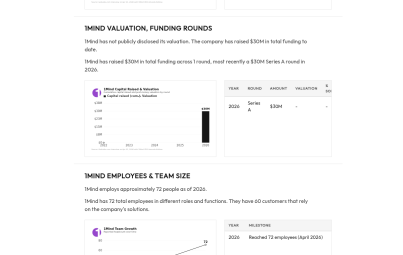
How 1Mind Achieved Rapid Revenue Growth with AI-Powered Sales Solutions
In the ever-evolving world of technology, few companies have managed to disrupt traditional sales and marketing processes as effectively as…
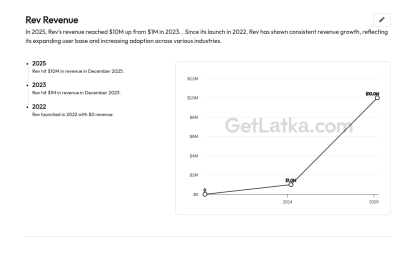
How Rev's CEO Adi Bathla Drove Revenue to $10M by Revolutionizing Auto Shop Workflows
Building a company from scratch and driving it to hit significant revenue milestones is no small feat. Adi Bathla, the…
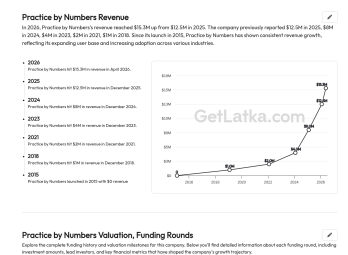
How Practice by Numbers Achieved $16.5M Revenue in 2026 with Innovative SaaS Solutions
2015: Launched Practice by Numbers to Fill a Market Gap Practice by Numbers (PBN), co-founded by Rohit Garg and Dr.…