How Ecrs Achieved $30M Revenue Through Strategic Growth Tactics
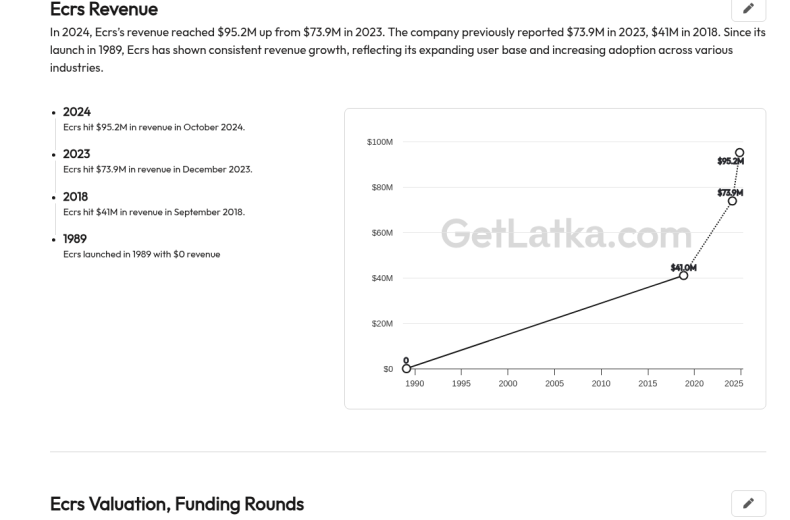

Building a company from the ground up is no small feat, but Pete Cato, CEO of Ecrs, has done just that. Founded in 1989, Ecrs has grown into a powerhouse in the retail analytics software industry, reaching an impressive $30 million in annual revenue. The journey from a bootstrap startup to a thriving enterprise is a testament to strategic planning, persistent innovation, and a commitment to customer and employee satisfaction. In this article, we’ll explore how Ecrs hit these revenue milestones using various growth tactics.
1989: Launched with a Vision to Transform Retail
Ecrs was founded by Pete Cato in his early 20s with a vision to leverage microprocessors and software to transform the retail sector. The company started with a modest $7,000 in Boone, North Carolina, known for its budding tech scene. This bootstrap approach has been a core part of their DNA, emphasizing sustainable growth over the years. From the inception, Ecrs focused on building deep roots in the industry, akin to a great oak tree, ensuring longevity and resilience.
1990s: Diversification and Initial Product Offerings
Initially, Ecrs launched a DOS-based product integrating cash registers with backroom systems. This pioneering approach set the stage for future innovations. Over the years, Ecrs expanded its product offerings, catering to complex retail environments such as grocery stores, pharmacies, and food cooperatives. This diversification was crucial in establishing Ecrs as a leader in the retail analytics software space.
Early 2000s: Establishing a Strong Customer Base
By the early 2000s, Ecrs had firmly established its customer base, serving everything from single-store operators to regional chains. This period was marked by the development of a comprehensive product stack, including point of sale and back-end systems, supplier integration, and automatic reorder features. The company’s focus on owning its technology stack ensured a high level of control and customization, which was vital for serving high-volume, complex retail environments.
2005: Loyalty Programs and SaaS Integration
Recognizing the potential of SaaS, Ecrs introduced systems like Loyalty Bot to enhance customer retention and engagement. This move not only provided additional revenue streams but also ensured that customers were integrated into a more comprehensive ecosystem of services. These SaaS products accounted for 90% of their revenue, underscoring their importance in Ecrs’ business model.
2010: Achieving $30 Million Revenue Milestone
By 2010, Ecrs had reached a significant milestone, generating $30 million in annual revenue. This achievement was driven by a combination of strategic client acquisitions and the development of a robust product suite tailored to the needs of complex retail operations. The company served around 4,000 customers, with annual revenue per customer averaging between $500 and $600 per month.
2018: Preparing for Explosive Growth
The last few years have been a period of preparation and strategic planning at Ecrs. While growth had stagnated, the company was gearing up for an explosive expansion, bolstered by commitments from larger regional players. This strategic shift was expected to significantly increase their market share and revenue in the coming years.
2019: The $100 Million Vision
Looking to the future, Ecrs set its sights on a $100 million revenue target within five years. The strategy involved expanding their customer base with larger regional chains and continuing to innovate their product offerings. This ambitious goal is supported by the company’s strong foundation of customer loyalty, low churn rates, and a focus on building a sustainable business model.
2020: Employee Ownership and Sustainable Growth
In a move to ensure long-term sustainability, Ecrs planned to transition into an Employee Stock Ownership Plan (ESOP). This decision was motivated by the desire to foster a committed, long-term workforce, which is crucial for maintaining customer trust and satisfaction. The ESOP not only aligns employee incentives with company performance but also positions Ecrs as a stable partner for its clients.
Key Growth Tactics That Propelled Ecrs
- SaaS Integration: By integrating SaaS products like Loyalty Bot, Ecrs created additional revenue streams and enhanced customer loyalty.
- Bootstrapped Efficiency: Operating as a bootstrap company, Ecrs maintained capital efficiency, allowing them to reinvest profits into growth initiatives.
- Customer-Centric Approach: With a low churn rate of about 2% of customers, Ecrs’ focus on maintaining strong customer relationships has been instrumental in their growth.
- Strategic Regional Expansion: The company’s strategy to target larger regional chains poised them for significant growth, with plans to double revenue in the next five years.
- Employee Empowerment: Transitioning to an ESOP is expected to motivate employees, aligning their success with that of the company.
As Ecrs continues to grow, their story serves as an inspiration for other bootstrapped companies aiming to scale sustainably. By maintaining a strong focus on their core values and strategic growth tactics, they are well-positioned to achieve their $100 million revenue goal. For more insights into Ecrs and similar companies in the retail analytics space, visit GetLatka’s industry category page and explore other successful businesses in the United States.
For more information about Ecrs and its offerings, visit their official website.
Recent Articles
How 1Mind Achieved Rapid Revenue Growth with AI-Powered Sales Solutions
In the ever-evolving world of technology, few companies have managed to disrupt traditional sales and marketing processes as effectively as…
How Rev's CEO Adi Bathla Drove Revenue to $10M by Revolutionizing Auto Shop Workflows
Building a company from scratch and driving it to hit significant revenue milestones is no small feat. Adi Bathla, the…
How Practice by Numbers Achieved $16.5M Revenue in 2026 with Innovative SaaS Solutions
2015: Launched Practice by Numbers to Fill a Market Gap Practice by Numbers (PBN), co-founded by Rohit Garg and Dr.…