How Moz Achieved $60M Revenue with Strategic Cohorts and Low CAC


In the ever-evolving world of SEO, Moz has carved out a reputation as a trusted authority. Under the leadership of CEO Sarah Bird, Moz has grown to be a powerhouse with a revenue run rate of $60 million as of late 2018, with plans to hit $70 million by the end of 2019. In this in-depth analysis, we uncover the strategies and tactics that fueled this impressive growth, targeting specific revenue milestones. This story is not just about numbers, but about the strategic decisions that set Moz apart in the competitive landscape of content marketing software. For more details on Moz, visit their GetLatka company profile.
2018: $60 Million Revenue Goal Achieved Through Cohort Segmentation
One of the pivotal strategies for Moz’s growth has been their effective use of cohort segmentation. Moz segments its customers into three main categories: SMBs, mid-market, and enterprise. Each category has distinct pricing and lifetime value, with SMBs paying about $140 a month on average. The SMB segment, while noisy, is profitable due to its low customer acquisition cost (CAC). Their CAC to LTV ratio stands at an impressive 5.5, meaning they recover their acquisition costs within three months. This profitability is critical, as it allows the company to reinvest in other segments without external funding.
How Moz’s Self-Service Model Boosts Profitability
Moz’s self-service model is a cornerstone of their business strategy, allowing them to maintain low costs while acquiring a high volume of customers. Unlike many SaaS companies that rely heavily on direct sales, Moz attracts customers organically, which reduces their CAC significantly. This model supports a high churn rate initially, but it stabilizes over time, with an annual churn rate of less than five percent after nine months. This approach allows Moz to reinvest profits from the self-serve side into growing their enterprise and mid-market segments.
2019: Aiming for $70 Million with Strategic Acquisitions
In 2019, Moz set its sights on increasing its revenue to $70 million. A crucial part of this strategy was the acquisition of STAT, a company with a strong direct sales channel that complements Moz’s organic growth strategy. This acquisition not only brought new capabilities but also enhanced Moz’s ability to serve enterprise clients more effectively. By leveraging STAT’s strengths, Moz could tailor its offerings to the enterprise market, which, although smaller in customer numbers (around 600), contributes about 30% of the total revenue.
The Role of Low CAC in Moz’s Growth Strategy
Moz’s ability to maintain a low CAC has been instrumental in achieving its growth targets. The company spends minimal resources on customer acquisition, thanks to its strong organic funnel. This efficiency allows Moz to allocate funds towards product development and customer support, enhancing the overall customer experience. The low CAC, combined with a high lifetime value in specific segments, allows Moz to operate profitably while others might struggle to maintain similar growth without external funding.
2018: Cash Flow Positive and Debt-Free Expansion
Despite raising $30 million in funding in the past, Moz has maintained a strong cash flow positive position. This financial health means that Moz can expand without the pressure of external debt or the need to raise additional capital. By remaining profitable and cash flow positive, Moz has the flexibility to explore new markets and technologies, ensuring sustained growth and stability. This financial discipline is a testament to their strategic foresight and operational efficiency.
How Moz Uses Data Partnerships to Enhance Product Offerings
Data is a crucial component of Moz’s product strategy. In 2017, Moz spent $3.5 million on third-party data, a figure they have managed to optimize over the years. Partnerships with data aggregators like Axiom and Info Group have allowed Moz to enhance their product offerings without proportionally increasing costs. By efficiently managing data acquisition costs, Moz can offer competitive products that meet the evolving needs of its customers, further solidifying its market position.
Future Outlook: Sustainable Growth in Content Marketing Software
Looking ahead, Moz’s growth strategy involves continuing its focus on sustainable, cash-positive growth. With a team of 180 and a robust business model, Moz is well-positioned to capitalize on the increasing attention to SEO and content marketing. As they continue to refine their product offerings and expand their enterprise segment, Moz remains a strong player in the content marketing software industry. For a comprehensive overview of companies in this space, visit the GetLatka industry category page.
For more information on Moz and its growth journey, visit their official website at moz.com and explore their market presence in the United States via the GetLatka companies by country page. Additionally, explore other successful SaaS companies in similar markets by visiting the GetLatka industry category page.
Recent Articles
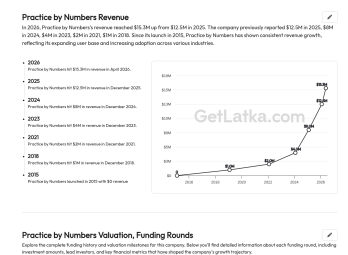
How Practice by Numbers Achieved $16.5M Revenue in 2026 with Innovative SaaS Solutions
2015: Launched Practice by Numbers to Fill a Market Gap Practice by Numbers (PBN), co-founded by Rohit Garg and Dr.…
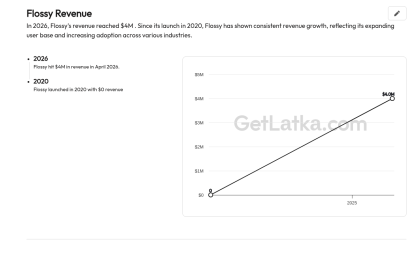
How Flossy Achieved $4M Revenue and Continues to Grow with AI Innovations
In a rapidly evolving world, where technology and healthcare intersect more intricately than ever, Flossy has emerged as a beacon…
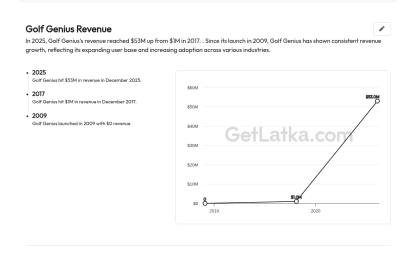
How Golf Genius Revenue Skyrocketed: From Startup to $60 Million Using Strategic Acquisitions
2009: Launching Golf Genius in a Niche Market Golf Genius, founded by Mike Zisman in 2009, began its journey focusing…