How Wrike Surpassed $28 Million in ARR Using a Hybrid Sales Model and Strategic Expansion


In the competitive landscape of SaaS companies, achieving significant growth and sustaining it over time requires not only a robust product but also strategic and operational excellence. Wrike, a leader in the team collaboration software space, has exemplified this with a remarkable growth trajectory. This article dives deep into how Wrike, under the leadership of its CEO, achieved substantial revenue milestones through strategic initiatives and operational strategies.
2006: Wrike’s Launch and Early Growth
Wrike was launched in 2006 with a mission to streamline work management and improve productivity through collaboration. The initial years focused on building a strong product that resonated with the needs of diverse teams. By establishing a solid foundation, Wrike set the stage for exponential growth in the following years.
2018: From Startup to a Recognized SaaS Leader
By 2018, Wrike had positioned itself as a key player in the SaaS industry, specifically in the team collaboration software space. With a workforce of 600 employees, Wrike had cultivated a strong R&D team alongside a robust sales and customer support infrastructure. This strategic allocation of resources was vital in supporting their rapid growth and high customer satisfaction rates.
How Wrike Hit Over $28 Million in ARR Using a Hybrid Sales Model
Wrike’s growth strategy has been heavily influenced by a hybrid sales model, which combines inbound marketing tactics with a direct sales approach. The company generates approximately 40,000 trials each month, which are pivotal in onboarding new organizational clients rather than individual users. This approach has allowed Wrike to effectively capture a broad market and convert trials into paying customers.
2019: Expanding Customer Base with Strategic Sales and Support
Wrike’s sales process focuses on quick conversions for smaller teams and deliberate expansions in larger enterprises. When a large organization, such as Google, starts with a small team, Wrike’s strategy is to grow that account over time. This has resulted in some accounts expanding from 15 users to over 2,000, demonstrating the power of their land-and-expand tactics.
Professional Services Boosting Retention and Revenue
A small but impactful part of Wrike’s revenue comes from professional services, which account for less than 5% of their overall revenue. These services are not only an additional revenue stream but also a key factor in enhancing customer retention and satisfaction. By offering both free customer success management services and paid professional services, Wrike ensures that their clients can maximize their use of the platform, which in turn boosts net revenue retention.
Achieving Over 100% Net Revenue Retention
Retention is a critical metric for any SaaS company, and Wrike prides itself on having a net revenue retention rate of over 100%. This impressive figure is driven by the company’s focus on customer success and strategic account expansion. By providing excellent customer service and fostering organic growth through seat expansion, Wrike has maintained a strong retention rate, which is essential for its sustained growth.
Strategic Pricing and Revenue Growth
Wrike’s pricing strategy is a blend of affordability and value, with average user prices ranging from $20 to $30 per month. This pricing structure allows Wrike to cater to both SMBs and large enterprises, providing flexibility and scalability to its clients.
Funding and Financial Efficiency
With over $27 million raised in equity, Wrike has been remarkably efficient with its funding, achieving an ARR that surpasses its funding amount. This financial prudence is rare in the SaaS world and highlights Wrike’s ability to grow sustainably. The company aims for a one-year payback period on customer acquisition costs, underscoring its commitment to efficiency.
Leveraging Social Media and New Market Tests
Wrike continuously tests new marketing channels, with social media being a recent focus. Despite the challenges of using social platforms for B2B sales, Wrike is exploring innovative strategies to leverage these channels effectively. This willingness to experiment and adapt is crucial for staying ahead in the competitive SaaS market.
Conclusion: Wrike’s Future Growth Trajectory
With a solid foundation and strategic growth initiatives, Wrike is poised for continued success in the team collaboration software industry. By maintaining a strong focus on customer satisfaction and operational efficiency, Wrike is well-equipped to sustain its impressive growth and continue delivering value to its clients.
For more detailed insights into Wrike’s growth and strategies, visit their GetLatka profile. Explore other successful SaaS companies in the United States, and discover more about the team collaboration software industry.
Recent Articles
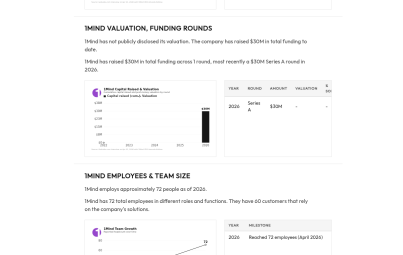
How 1Mind Achieved Rapid Revenue Growth with AI-Powered Sales Solutions
In the ever-evolving world of technology, few companies have managed to disrupt traditional sales and marketing processes as effectively as…
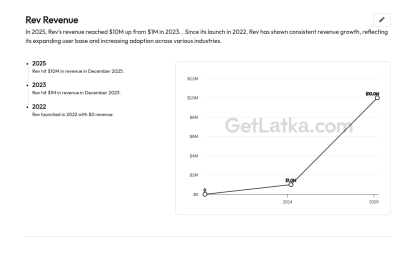
How Rev's CEO Adi Bathla Drove Revenue to $10M by Revolutionizing Auto Shop Workflows
Building a company from scratch and driving it to hit significant revenue milestones is no small feat. Adi Bathla, the…
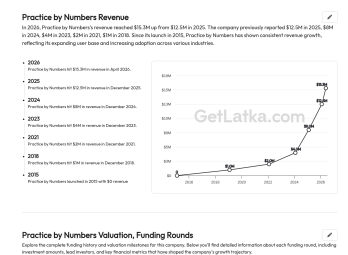
How Practice by Numbers Achieved $16.5M Revenue in 2026 with Innovative SaaS Solutions
2015: Launched Practice by Numbers to Fill a Market Gap Practice by Numbers (PBN), co-founded by Rohit Garg and Dr.…