How Yotpo Grew to $40M Revenue: A Deep Dive into CEO Tomer Tagrin's Strategic Playbook
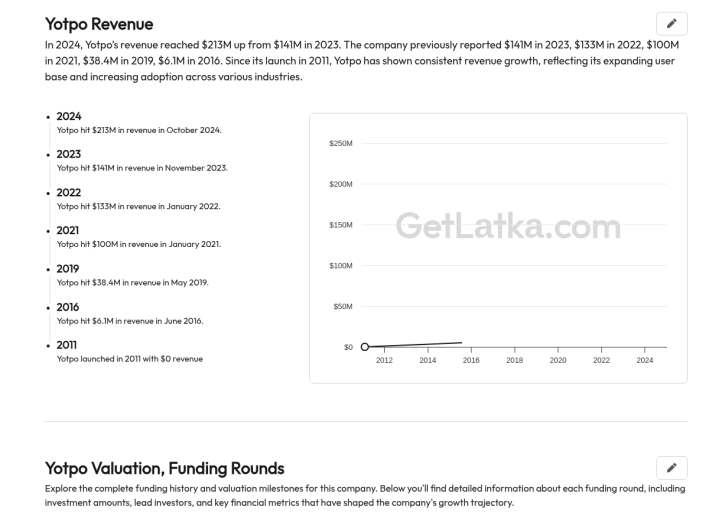

In the dynamic world of SaaS, Yotpo stands out as a beacon of innovation and strategic growth. Under the leadership of CEO Tomer Tagrin, Yotpo has not only carved a niche in the e-commerce marketing sector but has also achieved impressive revenue milestones. This blog post will delve into the strategies, metrics, and tactics that fueled Yotpo’s journey to $40M in revenue, based on an insightful interview with Tomer Tagrin.
2011-2014: The Foundation Years – Pivot and Product Development
Yotpo was founded in 2011 with a different business model. Initially, the company explored various avenues before honing in on its core product offerings. By late 2012, Yotpo launched its first product, and by 2014, they began monetizing. This early phase was critical for building the technological infrastructure and understanding the market dynamics.
2014: Monetization Begins – $12M Raised Pre-Revenue
Before monetization, Yotpo raised $12M. This capital was vital for product development, allowing Yotpo to pivot and focus on building a robust SaaS platform. The funds supported a growing team of engineers and the development of a multi-product offering, setting the stage for future revenue streams.
2015-2016: Scaling with a Multi-Product Strategy
Yotpo’s strategy involved launching multiple products to serve the growing needs of e-commerce brands. Initially starting as a reviews platform, Yotpo expanded its offerings to include loyalty, referrals, and other marketing tools. This multi-product approach was key in attracting a diverse range of clients, from SMBs to mid-market enterprises.
Mid-Market Focus: Driving Growth Through Diversification
One of Yotpo’s significant growth strategies was focusing on mid-market clients. By offering tailored solutions and additional products, Yotpo could increase its average contract value significantly. Mid-market customers presented an opportunity for higher revenue retention and expansion.
2017: 4,000 Paying Customers – $15K to $190K ACVs
By 2017, Yotpo had scaled to 4,000 paying customers. The company’s pricing strategy was tiered, catering to SMBs with an average annual contract value (ACV) of $15K, and mid-market clients with ACVs reaching up to $190K. This segmentation allowed Yotpo to maximize its revenue potential across different customer segments.
Customer Acquisition: Freemium Model and Ecosystem Integrations
- Yotpo employed a freemium model to attract 60,000 free users, serving as a powerful lead generation tool.
- Integrations with platforms like Shopify and Magento enhanced visibility and accessibility, driving customer growth.
2018: Product Expansion and Cross-Selling – 57% Multi-Product Usage
By 2018, 57% of Yotpo’s paid customer base was using more than one product. This cross-selling success was a testament to the value of Yotpo’s integrated marketing stack. The ability to provide a comprehensive suite of tools made Yotpo indispensable to its clients, further driving revenue growth.
Agency Partnership: 26% Revenue from Agency Channel
Yotpo’s partnership with hundreds of agencies was another significant growth driver, accounting for 26% of new revenue. These agencies deployed Yotpo’s tools for their clients, effectively broadening Yotpo’s reach and enhancing its market penetration.
2019: Reaching $40M Revenue – 80% Gross Margins
By 2019, Yotpo’s revenue surpassed $40M, driven by strong expansion within existing accounts and new customer acquisitions. The company maintained robust gross margins of around 80%, demonstrating operational efficiency and effective cost management.
Retention and Growth: 95% Net Revenue Retention
- Yotpo achieved a net revenue retention rate of 95%, with mid-market customers showing a remarkable 140% net retention.
- This retention was facilitated by strategic pricing tied to customer usage metrics, ensuring clients saw value as they scaled.
2020: Strategic Acquisitions and Expansion Plans
Yotpo continued to invest in growth with strategic acquisitions, such as the purchase of the Boston-based company Swell. These acquisitions were aimed at enhancing Yotpo’s product offerings and entering new market segments.
Future Outlook: Targeting $70M Revenue
As of the last update, Yotpo was on track to exceed $50M in ARR, with ambitions to reach $70M. This growth is supported by a robust pipeline of potential acquisitions and product innovations.
Conclusion: The Yotpo Formula for Success
Yotpo’s journey from a nascent startup to a $40M revenue powerhouse is a testament to strategic product expansion, effective customer segmentation, and innovative partnerships. By maintaining a focus on customer experience and leveraging a multi-product strategy, Yotpo has positioned itself as a leader in the e-commerce marketing space.
For more insights on Yotpo’s growth and to explore other successful SaaS companies, visit their GetLatka profile, the US companies page, or the content marketing industry page. Learn more about Yotpo’s offerings on their official website.
Recent Articles
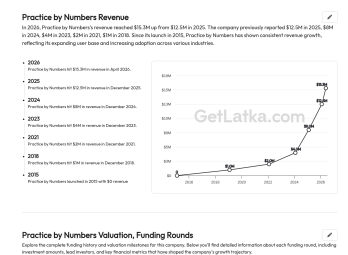
How Practice by Numbers Achieved $16.5M Revenue in 2026 with Innovative SaaS Solutions
2015: Launched Practice by Numbers to Fill a Market Gap Practice by Numbers (PBN), co-founded by Rohit Garg and Dr.…
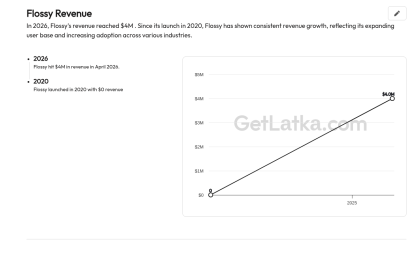
How Flossy Achieved $4M Revenue and Continues to Grow with AI Innovations
In a rapidly evolving world, where technology and healthcare intersect more intricately than ever, Flossy has emerged as a beacon…
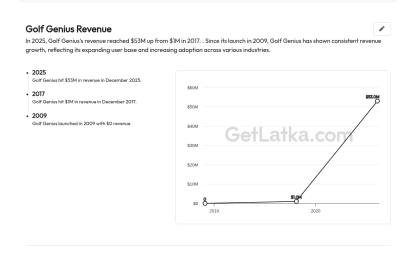
How Golf Genius Revenue Skyrocketed: From Startup to $60 Million Using Strategic Acquisitions
2009: Launching Golf Genius in a Niche Market Golf Genius, founded by Mike Zisman in 2009, began its journey focusing…