How Zwift Hit $30 Million Revenue by Building a Virtual Cycling Community
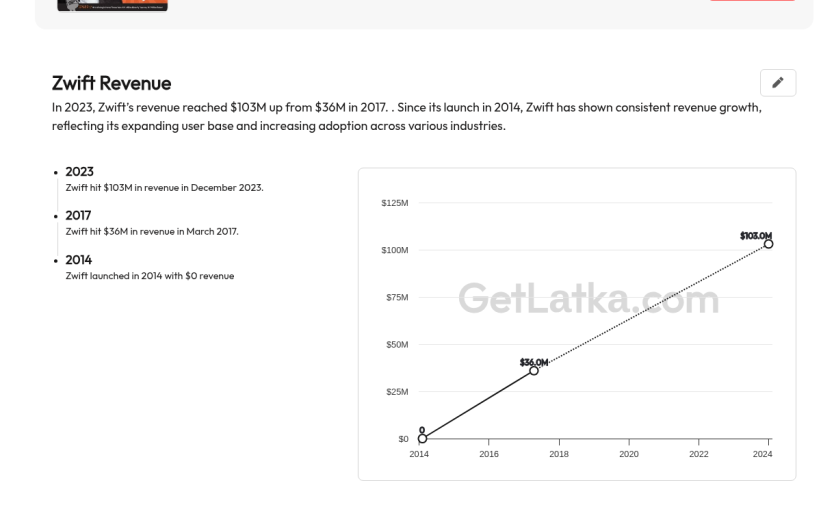

In the dynamic world of tech startups, stories of rapid growth and success continue to inspire budding entrepreneurs and seasoned business leaders alike. One such story is that of Eric Min, CEO of Zwift, who has leveraged a unique business model to drive significant revenue growth in a relatively short period. In this blog post, we delve into how Eric Min grew Zwift to a $30 million revenue powerhouse by creating a virtual space for cyclists and fitness enthusiasts.
2014: Launching Zwift with $45 Million in Funding
Eric Min launched Zwift in January 2014 with a vision to recreate the social aspects of cycling through a virtual platform. The company started with substantial backing, raising $45 million in total capital. This funding allowed Zwift to develop its software and build a community of engaged users. The revenue model was clear from the start: a subscription-based service charging $10 per month in most countries, offering a cost-effective way for users to engage in virtual cycling.
Creating a Brand New Category
Zwift’s success lies in its ability to create a new category in the fitness and gaming industry. By combining elements of social networking and gaming with cycling, Zwift offered a unique experience that attracted cycling enthusiasts worldwide. This strategy not only differentiated Zwift from traditional fitness solutions but also positioned it as a category leader in virtual cycling.
2017: Achieving 300,000 Accounts and $30 Million in Revenue
By 2017, Zwift had achieved significant milestones. The company reported over 300,000 accounts created, with a substantial number of engaged users logging millions of rides and hours of pedaling. This high level of engagement translated into impressive revenue figures, with Zwift generating approximately $30 million annually from its subscription model.
Organic Growth and Community Building
One of Zwift’s key growth tactics was building a strong community. Eric Min emphasized the importance of creating a social network where users could enjoy a shared cycling experience. This focus on community helped Zwift achieve 95% of its user acquisition organically. The strategy leveraged the natural tendency of cyclists to belong to clubs and teams, encouraging word-of-mouth referrals and organic growth.
- High Retention: Zwift reported a 70% annual retention rate, with many users pausing rather than permanently leaving the platform.
- Community Events: Over 700 events organized monthly by users, fostering engagement and growth.
- Fan Viewing: 202,000 hours of fan viewing, indicating high interest and engagement in the platform.
Innovative Marketing: Zwift Academy
Zwift’s marketing strategy included innovative campaigns like the Zwift Academy, modeled after the Gran Turismo Academy. This initiative invited female cyclists worldwide to compete for a professional contract, generating significant interest and participation. Such aspirational content not only attracted new users but also retained existing ones by integrating real-world cycling achievements with virtual training.
The Zwift Academy is a testament to how well-executed content and community-driven initiatives can drive engagement and growth. The program’s success underscored Zwift’s commitment to creating meaningful experiences for its users.
Future Growth and Monetization Strategies
Looking forward, Zwift plans to expand its monetization strategies beyond its current subscription model. While Eric Min did not disclose specific plans, he hinted at potential avenues for additional revenue streams. These could include partnerships with fitness equipment manufacturers, premium content, or expanded services for fitness enthusiasts beyond cycling.
Zwift’s journey from a startup to a multi-million dollar company highlights the power of combining technology with community building. By continuously innovating and responding to user needs, Zwift has positioned itself for sustained growth in the burgeoning market of virtual fitness.
For more information on Zwift, visit their official website. You can also check out their profile on GetLatka and explore other companies in the United States and fitness industry.
As Zwift continues to innovate and expand, it serves as an inspiring example of how technology can transform traditional activities into exciting new experiences. The company’s focus on community, engagement, and continuous improvement will likely keep it at the forefront of the virtual fitness revolution.
Recent Articles
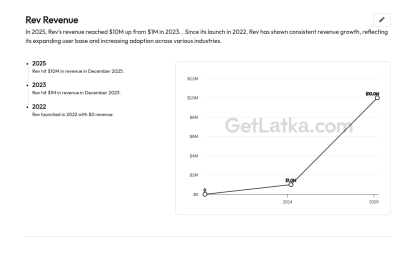
How Rev's CEO Adi Bathla Drove Revenue to $10M by Revolutionizing Auto Shop Workflows
Building a company from scratch and driving it to hit significant revenue milestones is no small feat. Adi Bathla, the…
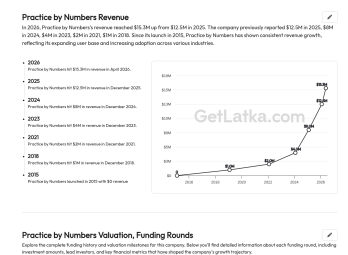
How Practice by Numbers Achieved $16.5M Revenue in 2026 with Innovative SaaS Solutions
2015: Launched Practice by Numbers to Fill a Market Gap Practice by Numbers (PBN), co-founded by Rohit Garg and Dr.…
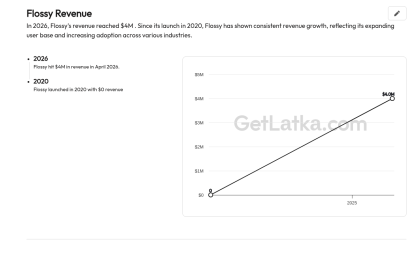
How Flossy Achieved $4M Revenue and Continues to Grow with AI Innovations
In a rapidly evolving world, where technology and healthcare intersect more intricately than ever, Flossy has emerged as a beacon…