How Brandwatch Hit $60 Million Revenue Using Strategic Acquisitions and Data Innovation
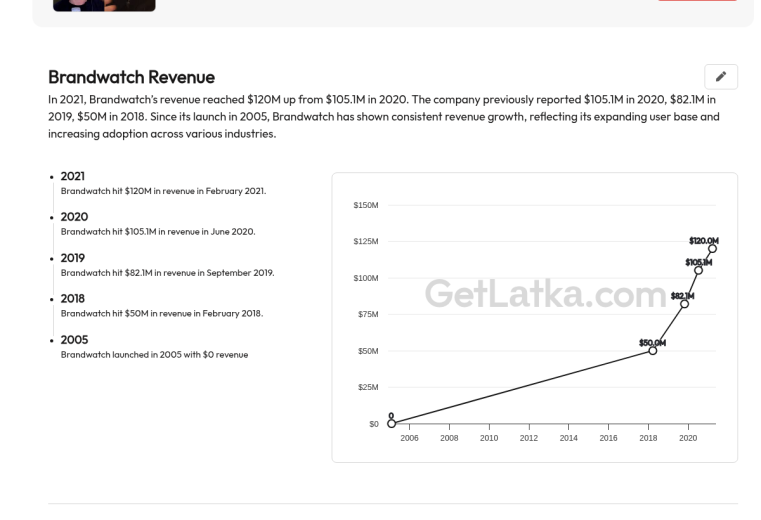

In the dynamic world of social media analytics, Brandwatch has emerged as a leader, driven by the vision and leadership of CEO Giles Palmer. Since its launch in 2007, the company has scaled impressive heights, achieving a revenue target of over $60 million. In this article, we’ll delve into the strategies and tactics employed by Giles Palmer to achieve this remarkable growth.
2007: Launching Brandwatch with a Vision for Social Intelligence
Brandwatch was founded in August 2007 by Giles Palmer, a visionary who saw the potential of social media analytics. The company was launched as a leading social intelligence firm, focused on providing brands with the tools they need to understand and leverage online conversations. From the outset, Brandwatch positioned itself as a research tool and real-time insights engine, catering primarily to brand managers.
2012: Resisting Acquisition Offers to Focus on Long-Term Growth
During a period of intense M&A activity in the social media space around 2012, Brandwatch received numerous acquisition offers. However, Giles Palmer chose to resist these advances. He believed that the company was in an “up and to the right” phase of growth and that selling at that time would have been premature. This decision highlighted Brandwatch’s commitment to building a sustainable and meaningful business rather than a quick exit strategy.
2016: Scaling to 1,500 Customers and $50 Million Revenue
By 2016, Brandwatch had scaled to approximately 1,500 customers, each paying an average of $30,000 annually. This translated into a robust revenue stream, with the company achieving a $50 million run rate by the end of the year. The company’s enterprise-grade tools and focus on real-time social media analytics had set it apart from competitors.
2017: Exceeding $60 Million Revenue with Strategic Acquisitions
In 2017, Brandwatch’s revenue exceeded $60 million, driven by a combination of customer growth, strategic acquisitions, and a commitment to innovation. A significant move was the acquisition of BuzzSumo, a content analysis platform with a strong user base. This acquisition not only expanded Brandwatch’s product offerings but also provided access to a unique dataset that enhanced the company’s core analytics capabilities.
The BuzzSumo Acquisition: A Strategic Play
The acquisition of BuzzSumo was a masterstroke. With over 3,500 customers and a freemium base of 400,000 users, BuzzSumo brought a wealth of new opportunities to Brandwatch. This move allowed Brandwatch to tap into a new market segment with a self-service product suite, broadening its reach and diversifying its revenue streams.
Data Innovation: The Core of Brandwatch’s Growth
Brandwatch’s growth can be attributed in large part to its data-driven approach. The company crawls over 80 million websites and aggregates data from social networks, providing brands with insights into consumer behavior and trends. This massive data processing and storage infrastructure, comprising approximately 1,000 servers, serves as a significant competitive moat.
Customer Retention and Churn Management
Customer retention has been a critical focus for Brandwatch. With an average churn rate close to 1% per month, the company has invested heavily in making its product more sticky and ensuring customers are onboarded effectively. This focus on retention is reflected in their net revenue retention rate, which hovers around 100% annually.
Marketing and Customer Acquisition Strategies
Brandwatch’s customer acquisition strategy involves a significant investment in marketing, with a team of over 30 dedicated to building the brand and driving inbound leads. The company receives over 15,000 unique visitors to its website daily, generating over 100 demo requests. With a customer acquisition cost of approximately $28,000 and a payback period of 15 months, Brandwatch has effectively managed its growth and revenue streams.
Looking Ahead: The Future of Brandwatch
As Brandwatch continues to innovate and expand its offerings, the company remains poised for further growth. The focus on strategic acquisitions, data innovation, and customer retention will likely continue to drive Brandwatch’s success in the competitive social analytics market.
For more information on Brandwatch’s journey and financial details, visit their official website or explore their profile on GetLatka. Additionally, you can explore other top analytics platforms here and see a list of companies operating in the United Kingdom here.
Recent Articles
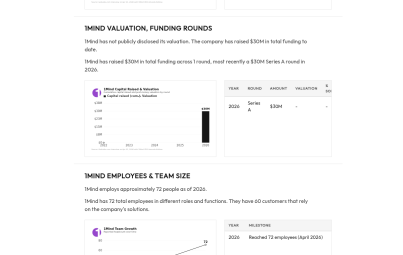
How 1Mind Achieved Rapid Revenue Growth with AI-Powered Sales Solutions
In the ever-evolving world of technology, few companies have managed to disrupt traditional sales and marketing processes as effectively as…
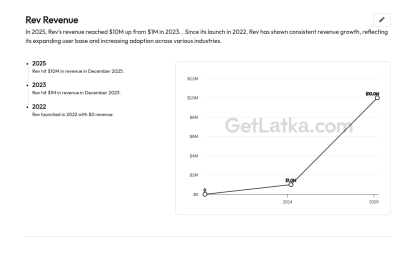
How Rev's CEO Adi Bathla Drove Revenue to $10M by Revolutionizing Auto Shop Workflows
Building a company from scratch and driving it to hit significant revenue milestones is no small feat. Adi Bathla, the…
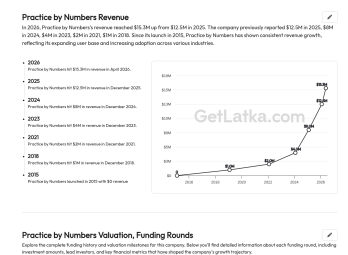
How Practice by Numbers Achieved $16.5M Revenue in 2026 with Innovative SaaS Solutions
2015: Launched Practice by Numbers to Fill a Market Gap Practice by Numbers (PBN), co-founded by Rohit Garg and Dr.…