How Bynder Achieved Impressive Revenue Growth Under CEO Chris Hall
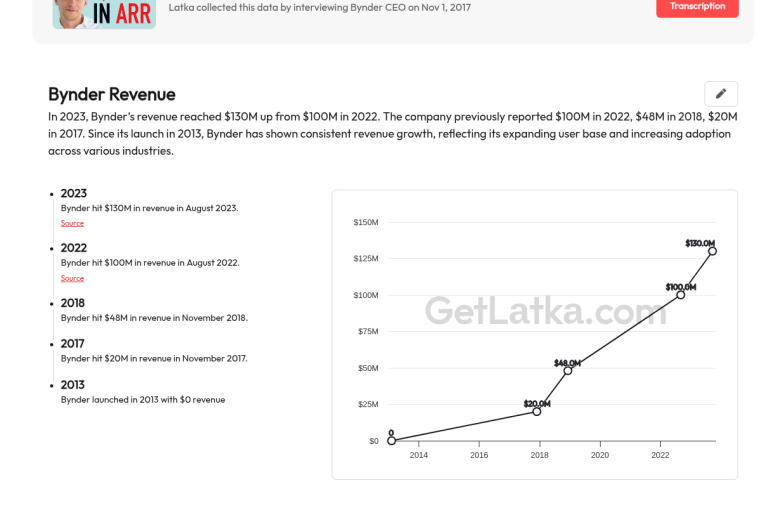

Bynder, a company specializing in digital asset management (DAM), has experienced phenomenal growth under the leadership of its CEO, Chris Hall. Since its inception in 2013, Bynder has expanded to over 350 employees and seven international offices, achieving significant milestones in revenue and customer base. In this blog post, we will delve into the strategies and tactics that Chris Hall employed to propel Bynder to its current success, with a focus on the journey to achieve remarkable revenue figures. We’ll also explore the company’s strategic acquisitions and financial maneuvers that have contributed to its growth.
2013: Bynder’s Humble Beginnings and Early Vision
Bynder was launched in late 2013 as a spin-off from Chris Hall’s development agency, Label A. Initially, it was a side project aimed at managing and transferring digital assets more efficiently. The realization of its potential as a DAM solution quickly took center stage, leading to its formal establishment as a separate entity. This vision was in alignment with the growing need for streamlined digital content management across various industries.
2016: Securing Funding to Fuel Growth
In August 2016, Bynder secured a Series A funding round with Insight Venture Partners, raising €20 million (approximately $23 million USD). This capital injection was pivotal for Bynder’s growth strategy, allowing the company to accelerate its market penetration and expand its team. The funding marked the first significant cash influx into Bynder, setting a strong foundation for future growth.
How Bynder Hit $18M ARR by January 2018 Using Efficient Scaling
By the beginning of 2018, Bynder had achieved an annual recurring revenue (ARR) of approximately $19 million, a testament to its rapid growth from a start-up to a major player in the DAM space. This growth was fueled by a combination of strategic customer acquisition and retention efforts. Bynder’s customer base included both SMBs and large enterprises, with average contract values ranging from $30,000 to nearly $1 million annually. Such a diverse and robust customer portfolio positioned Bynder as a leader in its field.
Strategic Acquisition of Webdam and Expansion in the US
In early 2018, Bynder made a strategic acquisition of Webdam, a company previously owned by Shutterstock. This move was significant as Webdam was Bynder’s top competitor in the US market. The acquisition added an office in San Mateo and increased Bynder’s headcount by approximately 80-90 employees. This integration was complex, involving a nine-hour time difference and the challenge of merging teams and product roadmaps. However, it provided Bynder with a stronger foothold in the US market and contributed significantly to its revenue growth.
How Bynder Exceeded $4M in Monthly Revenue Through Customer Retention
Bynder’s revenue reached an impressive $4 million monthly run rate shortly after the Webdam acquisition. A key factor in this achievement was Bynder’s focus on customer retention and expansion. By maintaining a gross revenue retention rate of 93% and a net revenue retention rate of 104%, Bynder ensured that it not only retained its customers but also upsold additional services. This strategy was particularly effective in retaining high-value customers and maximizing their lifetime value.
Efficient Use of Debt Financing for Acquisitions
Chris Hall strategically utilized debt financing to fund the Webdam acquisition, opting for a bridge loan from SVB (Silicon Valley Bank). This approach allowed Bynder to act quickly and secure the acquisition while planning for a longer-term refinancing strategy. Leveraging debt rather than equity prevented dilution of ownership and underscored Bynder’s confidence in its cash flow and future revenue growth.
Post-Acquisition Growth and Future Prospects
The acquisition of Webdam not only bolstered Bynder’s customer base but also enhanced its product offerings and market reach. Bynder’s continued focus on strategic M&A opportunities is likely to drive further growth as the company seeks to expand its market share and explore adjacent opportunities in the DAM and collaboration software spaces.
Conclusion: Bynder’s Path to Success
Through strategic funding, acquisitions, and a keen focus on customer retention, Bynder has successfully scaled its operations and revenue under Chris Hall’s leadership. The company’s journey from a spin-off to a market leader offers valuable insights into the power of strategic growth tactics and financial maneuvering. As Bynder continues to explore new opportunities, it remains a compelling case study of rapid growth and innovation in the SaaS industry.
To learn more about Bynder and its growth journey, visit their GetLatka company profile, explore other SaaS companies in the United States, and check out the industry category page. For more information, visit Bynder’s official website at Bynder.com.
Recent Articles
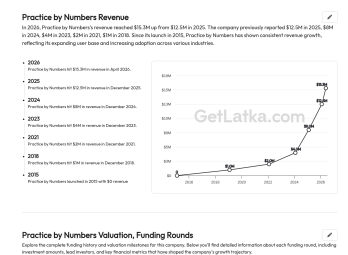
How Practice by Numbers Achieved $16.5M Revenue in 2026 with Innovative SaaS Solutions
2015: Launched Practice by Numbers to Fill a Market Gap Practice by Numbers (PBN), co-founded by Rohit Garg and Dr.…
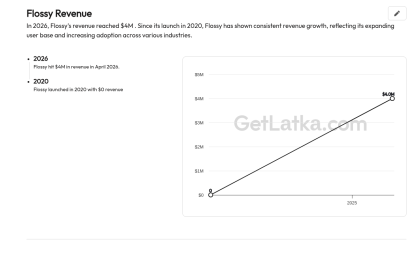
How Flossy Achieved $4M Revenue and Continues to Grow with AI Innovations
In a rapidly evolving world, where technology and healthcare intersect more intricately than ever, Flossy has emerged as a beacon…
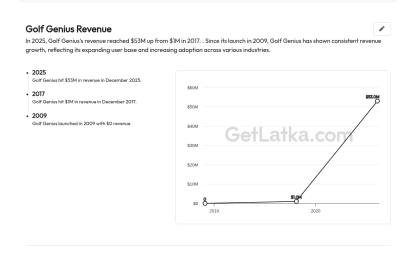
How Golf Genius Revenue Skyrocketed: From Startup to $60 Million Using Strategic Acquisitions
2009: Launching Golf Genius in a Niche Market Golf Genius, founded by Mike Zisman in 2009, began its journey focusing…