How Hackerearth Achieved Revenue Growth with Smart Strategies and SaaS Innovation


In the fast-paced world of SaaS, Hackerearth stands out as a compelling success story. Founded in 2012 by Sachin Gupta, Hackerearth has grown into a global platform with hundreds of customers and millions of users, primarily focusing on developer skill assessment software. This growth wasn’t by accident; it was the result of strategic decisions, innovative practices, and a keen understanding of the market.
2012: The Launch with a Vision to Disrupt Recruiting
Hackerearth was born out of a desire to address the inefficiencies in the technical recruiting process. As a computer engineer, Sachin Gupta was acutely aware of the arbitrary nature of recruiting, often not based on skills. The anecdote of a talented friend who failed to get through top companies due to flawed recruiting processes was a catalyst for Gupta to start Hackerearth. The company launched towards the end of 2012 into 2013, aiming to provide a more objective assessment of technical skills.
2013-2015: Building the Product and Initial Growth
In its first year, Hackerearth conducted approximately 5,000 assessments. The platform allowed candidates to write code in the browser, and companies used it to screen and interview candidates. Hackerearth’s revenue model was distinct from traditional recruiting firms; instead of charging a percentage of a candidate’s salary, Hackerearth adopted a SaaS model, charging per recruiter seat with a certain number of assessments included.
2016: Scaling Up to Reach 1 Million Assessments
By this time, Hackerearth was conducting close to a million assessments annually, a testament to its growing popularity. The company was working with about 500 customers globally, which included tech giants and surprising sectors like healthcare and hardware engineering. This diverse customer base was a result of the overarching trend of software becoming a core part of various industries.
2017: Expanding the Customer Base to 500+ Companies
Hackerearth’s customer base expanded to include around 500 companies, ranging from small startups to large enterprises. This growth was facilitated by a flexible product that could cater to both small and large teams. The enterprise solution allowed large companies to manage up to 300-400 recruiter seats, while the community version enabled developers worldwide to self-assess and improve their skills.
2018: Revenue Model Optimization and Funding
Hackerearth raised a total of $11.5 million in funding over several rounds, including a Series B in late 2018. This capital was crucial for scaling operations and enhancing the product. The company’s revenue model was optimized to focus on predictability, charging per recruiter seat rather than per assessment. This strategy not only provided a steady revenue stream but also allowed scalability without the risk of fluctuating assessment volumes.
2019: Achieving a $6 Million Run Rate
By 2019, Hackerearth had achieved a run rate of approximately $6 million. This financial achievement was supported by a balanced distribution of revenue across customers, with no single customer contributing more than 10% of the revenue. Such distribution mitigates risk and ensures business stability.
2020: Navigating Challenges and Focusing on Retention
The COVID-19 pandemic brought challenges, particularly in terms of business expansion. However, Hackerearth maintained its customer base by focusing on customer retention. The company achieved a net revenue retention rate of 110%, with enterprise accounts showing early single-digit churn. This success was attributed to a well-structured Customer Success Management (CSM) strategy, focusing on product adoption and customer satisfaction.
2021: Building a Robust Team and Product Innovation
Hackerearth’s team grew to about 140 people, with significant investments in engineering and product development. The team structure included 45 people in product management, engineering, and design, ensuring continuous innovation and improvement of the platform. The focus on building a strong product team was a strategic move to stay ahead in the competitive SaaS market.
2022: Strengthening the Community and SaaS Integration
The Hackerearth community grew to 4.5 million developers, enhancing the platform’s value proposition. This community not only provided a pool of talent for companies but also enriched the platform with diverse coding challenges and hackathons. Hackerearth leveraged this community aspect to offer additional services like hackathon sponsorships, further diversifying its revenue streams.
2023: Planning for the Future and Continuous Growth
As Hackerearth looks to the future, the focus remains on expanding the customer base and improving product offerings. The company continues to explore new markets and innovate its solutions to meet the evolving needs of its customers. With a strong foundation and a clear vision, Hackerearth is well-positioned to achieve even greater success in the coming years.
For more detailed insights into Hackerearth’s growth and strategies, you can visit their GetLatka company profile or explore more companies by country and industry category. To learn more about Hackerearth and its offerings, visit their official website.
Recent Articles
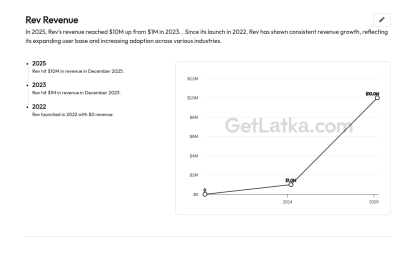
How Rev's CEO Adi Bathla Drove Revenue to $10M by Revolutionizing Auto Shop Workflows
Building a company from scratch and driving it to hit significant revenue milestones is no small feat. Adi Bathla, the…
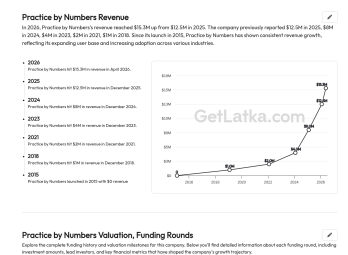
How Practice by Numbers Achieved $16.5M Revenue in 2026 with Innovative SaaS Solutions
2015: Launched Practice by Numbers to Fill a Market Gap Practice by Numbers (PBN), co-founded by Rohit Garg and Dr.…
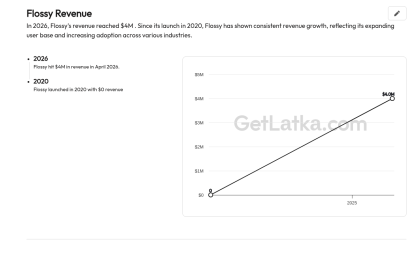
How Flossy Achieved $4M Revenue and Continues to Grow with AI Innovations
In a rapidly evolving world, where technology and healthcare intersect more intricately than ever, Flossy has emerged as a beacon…