This URL once hosted a December 2019 AMA with Brianne Kimmel. The original text was lost, so this page now carries a sourced profile instead: her Zendesk years, the $5M debut fund, the Webflow and Hopin bets, and what her public writing tells founders who want to pitch her.

Sankalp Arora's drone-inventory company doesn't disclose ARR. What the public record does show: three funding rounds in roughly two years, the same lead investor doubling down, and a rival absorbed along the way.

GetLatka records Modus (gomodus.com) at $33.6M implied ARR in February 2018 — seat math from the Latka tape, affirmed by co-founder and CEO Orrin Broberg. Five years later Bigtincan bought the company for US$9.5M. Here is what the record actually supports, and where it doesn't.
Sprinklr reported $857.2M in fiscal 2026 revenue, up 8%. A dated history of its filed numbers, the June 2021 IPO at $16 a share, and the CEO handoff from founder Ragy Thomas to Rory Read.
TCV is the biggest number a deal can honestly produce — recurring fees times term, plus one-time charges. Here's the formula, what the metric is for, and the four ways it misleads.
Gong is the cleanest single-company record of the entire 2018–2026 SaaS cycle: revenue compounding 80x while the valuation soared to $7.25B, halved — and the business underneath just kept growing into it.
Renewal rate is the only retention metric whose denominator is a calendar of expiry dates — so a longer contract term can lift it without a single customer being happier. The formulas, the traps, and what CrowdStrike, Bynder, ServiceMax, Keeper Security and Movable Ink put on the record.
Average revenue per user is the fastest way to understand what kind of company you're looking at — and one of the easiest metrics to read wrong. The formula, the real numbers, and the one movement that fools people.
Dropbox went from freemium legend to the clearest public picture of a complete SaaS lifecycle: hypergrowth, a humbling IPO, and a decade-long glide into flat, ruthlessly profitable maturity. Here are the numbers, year by year.
There's no SEC filing for a private SaaS company — the only way to rank the fastest growers is to get founders to say their numbers out loud. That's the entire method behind the Latka Index, and a decade of it has patterns worth reading.
One number tells you more about a subscription business than any other line on the P&L. Here's how MRR actually works — the formula, the five movements, the sins — illustrated with monthly revenue real founders have disclosed.

Logo churn tells you who left; revenue churn tells you what it cost. The formulas, the disclosed benchmarks, and the three churn-fighting systems real operators described on tape — adoption gates, no-quota success teams, and day-21 euphoria.

The founders were too profitable to take Eugene Levin's investment, so he took a job instead. His 2024 stage interview opens the machine — perpetual affiliate fees, three-axis expansion, an IPO-day faceplant — and history added the Adobe ending.
A phone call about a lane-keep failure and a threatened lawsuit sent Adi Bathla door-knocking auto shops in Houston. Three years later Rev broke $10 million.

Miles Beckett's third company is his second attempt at the same market. The AI receptionist works because the discount plan already had to solve scheduling.

Practice by Numbers has raised nothing since 2015 and expects to close 2026 at $16.5M ARR. Asked why he isn’t growing faster, co-founder Rohit Garg said he doesn’t know — and then explained why he won’t.

Amanda Kahlow already built one category-defining GTM company in 6sense. Her second act sells AI superhumans that replace the sales org she helped invent — $1M contracted within three months, 600% growth, and a 211% NDR that says the machines are getting renewed.
In 2018 Alison Taylor called Jane's fit with allied-health clinics “perfect” and defined the word as her customers having nowhere else to go. Seven years of dated rows are the test of that claim.
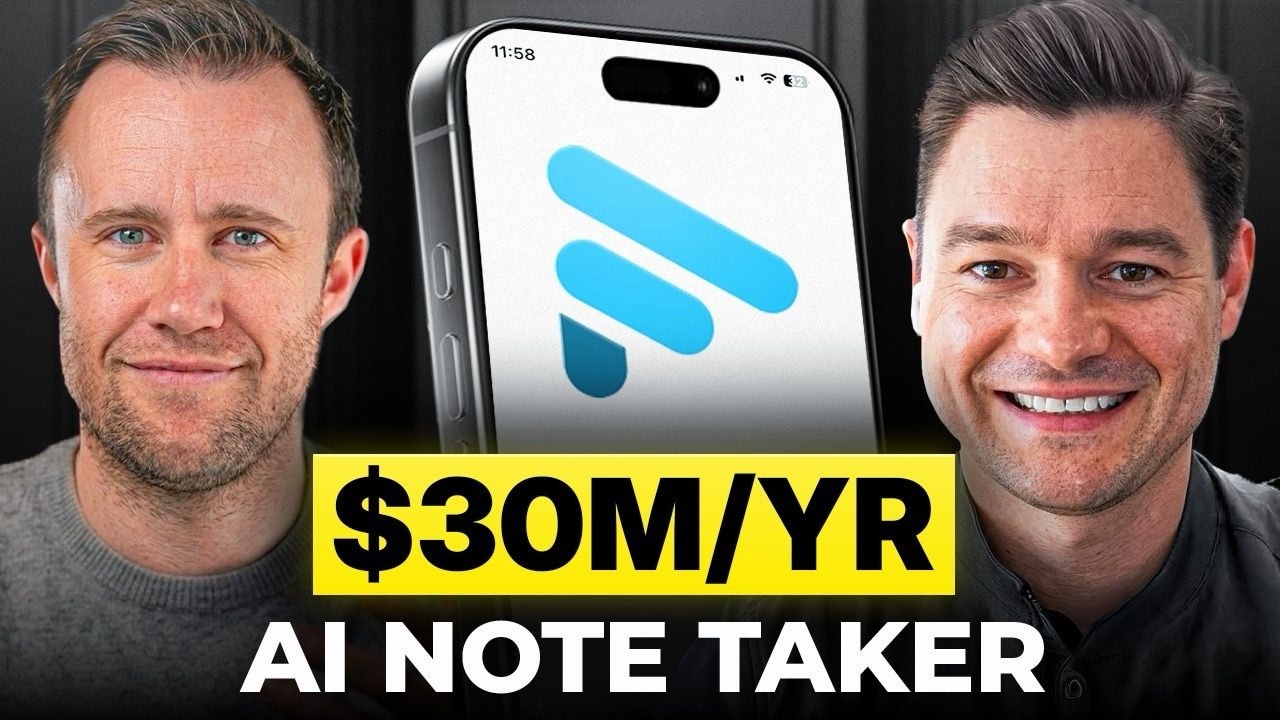
Fathom hit $30M ARR in 2025 — zero to one, one to ten, ten to 30 in three years of monetization, CEO Richard White told Latka in May 2026 — on just $30M raised and never more than a couple million in the bank.

A nuclear engineer and an electrical engineer built vertical software for homeowner associations, bootstrapped it for five years, then grew more than 10x on two minority deals.

One year after launch, Cal AI had collected over $10 million and was running at a $35 million annual pace, Zach Yadegari told Nathan Latka in May 2025 — bootstrapped, with 17 people. Ten months later, MyFitnessPal bought the company.

A dentist’s library project became a SharePoint consultancy, then a $30M ARR business living inside Microsoft Teams. Rasmus Holst on the 14-hub sales model, 108% net revenue retention, and the $20M round a bootstrapped company didn’t have to raise.

On stage in March 2024, CEO Prashanth Chandrasekar confirmed Stack Overflow revenue is above $125M, with ~60% now coming from its Teams SaaS product and 15,000 customers — a business that was almost entirely ads and job listings until 2019.

Owner.com's sales team had a gong, and in 2022 it was getting hit constantly — while 30% of new customers churned inside ninety days. Kyle Norton's fix started with making the growth number go down on purpose.

Alex Shvarts runs a $70 million revenue-based finance business with five engineers and writes the underwriting code himself. Banks, he says, cannot underwrite a pizzeria.
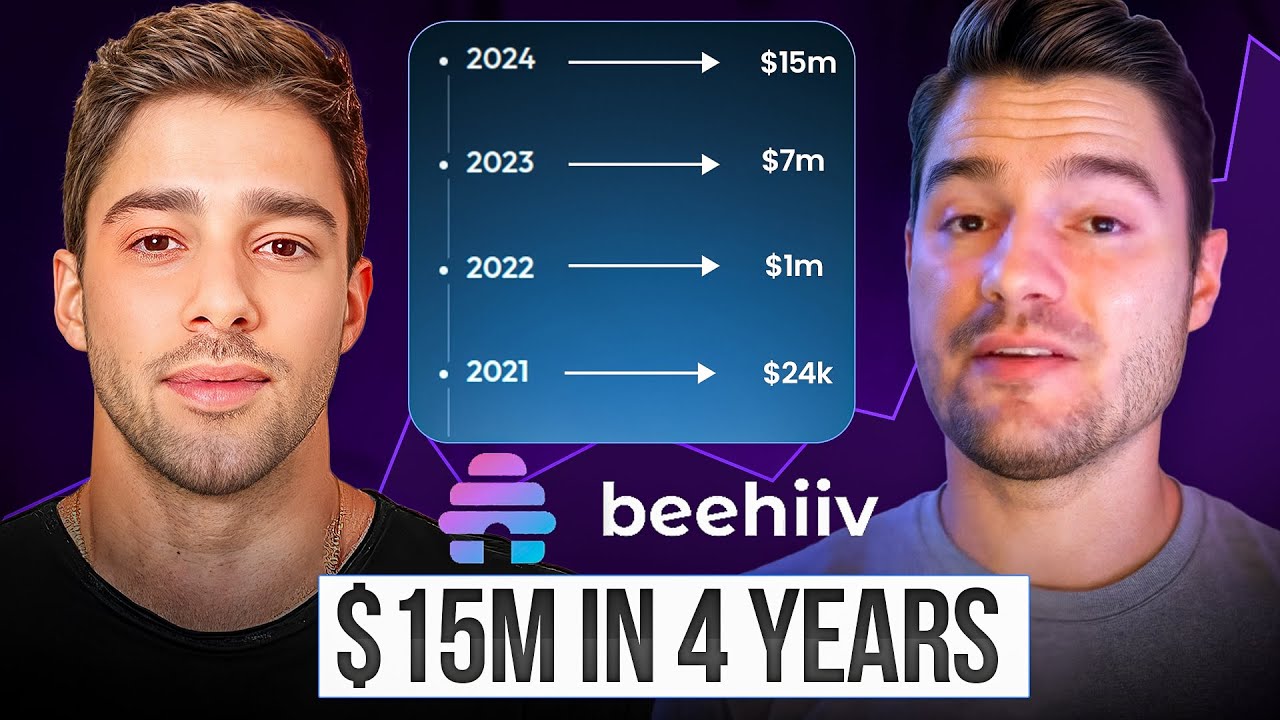
A newsletter with ten subscribers — “your mom and your siblings” — can earn money on beehiiv from day one. Tyler Denk explains the sequencing bet behind that trick, with the revenue numbers to show it worked.
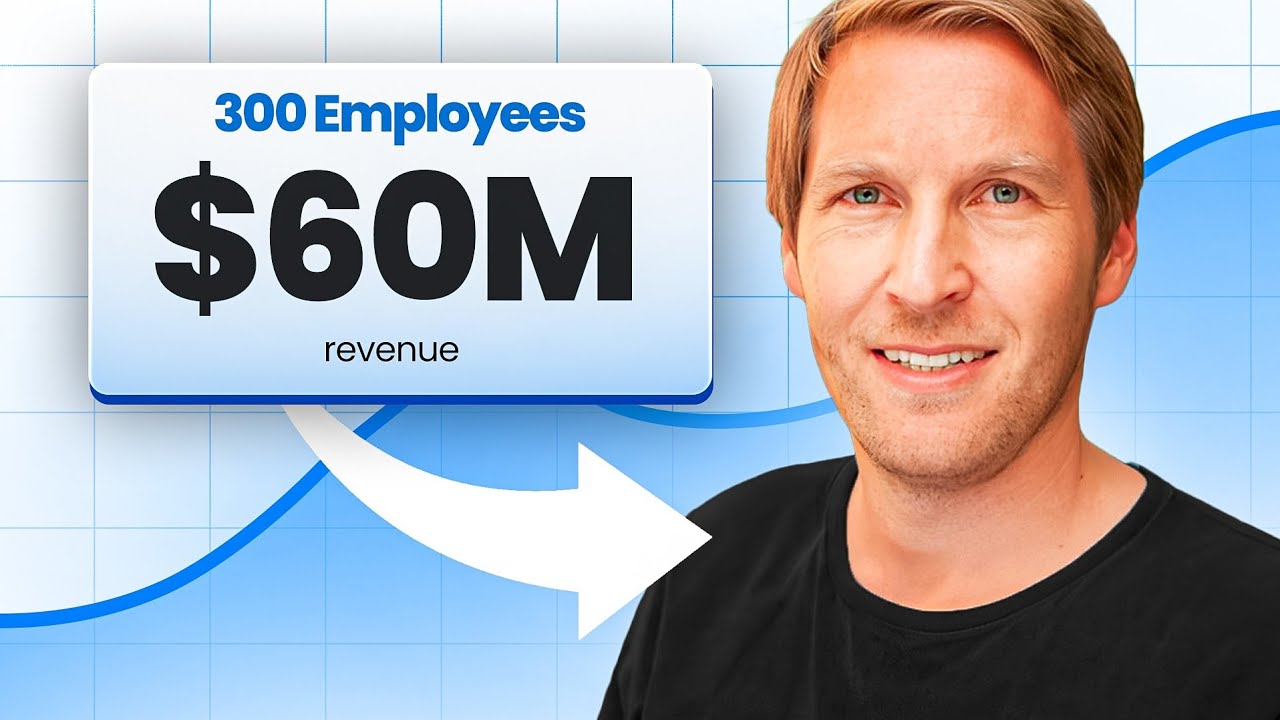
Twenty acquisitions, $60M of combined ARR and 300 people, assembled by a buyer who has never signed a deal before the money was already in the bank. Tim Schumacher on debt lines, 2–4x multiples and buying out of bankruptcy.

Russ Hawkins spent thirteen years turning servers-in-every-store into $35 million of retail analytics. Then a family office with a short fund life forced the sale.
Ada became the customer-support automation leader by refusing to automate first. Mike Murchison's early talk lays out the philosophy — software isn't valuable, it's a multiplier — and the dataset shows what it compounded into: ~$70M revenue and a unicorn round.
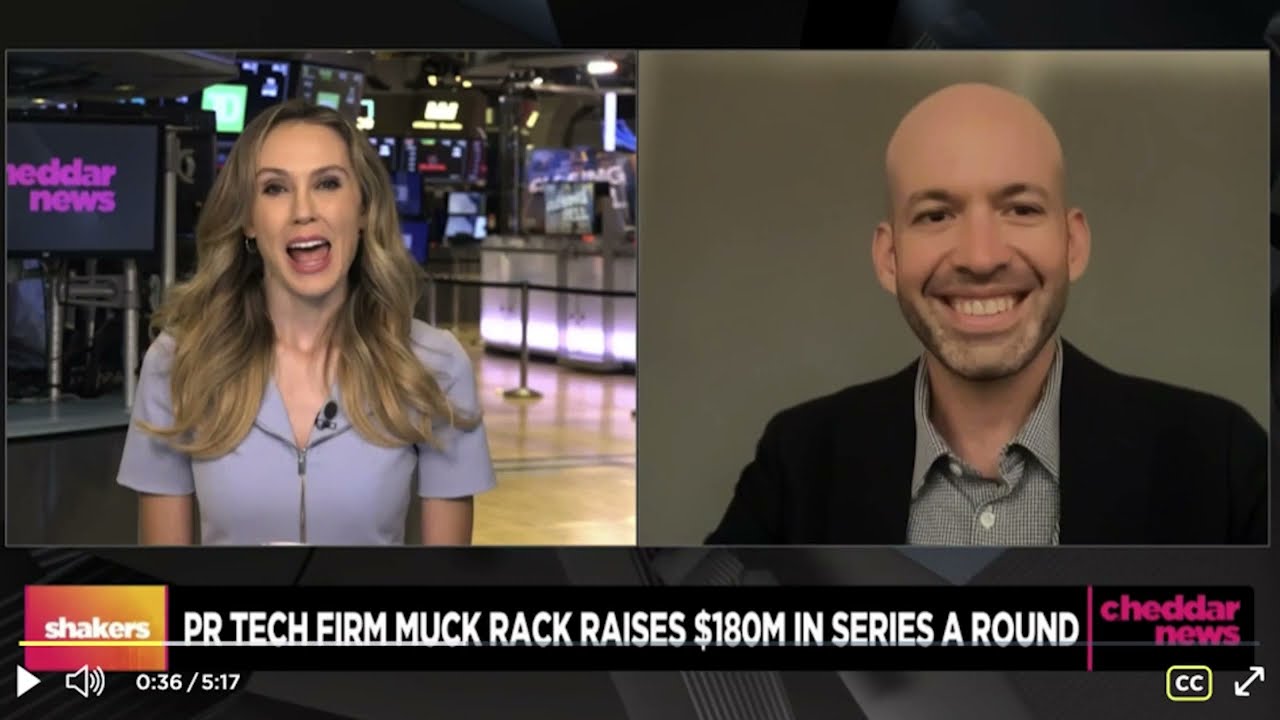
For thirteen years, investors told Muck Rack CEO Gregory Galant he was an idiot for growing profitably instead of raising. Then the market flipped, and the $8-domain company took a $180 million round at $50 million ARR — on its own terms.
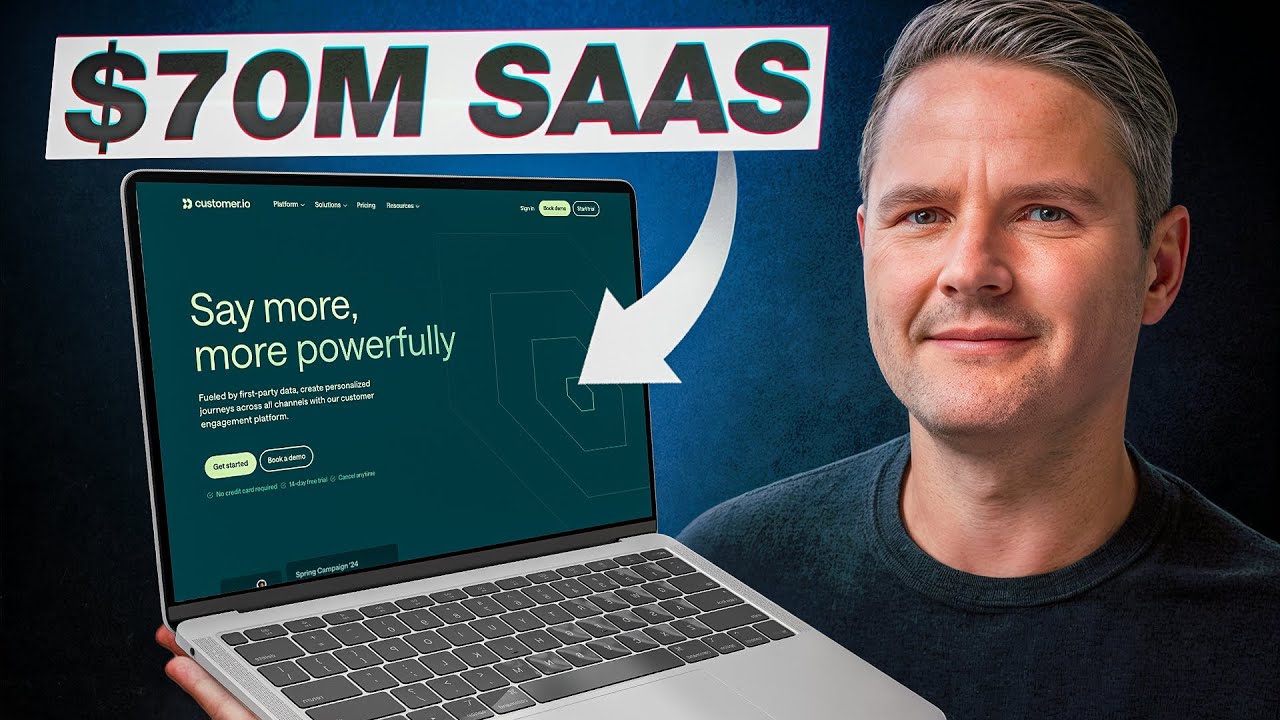
Colin Nederkoorn spent six hours of a twelve-hour outage drafting the letter that would end his company. It is one of nine mistakes he catalogues from Customer.io's run to $10 million ARR.
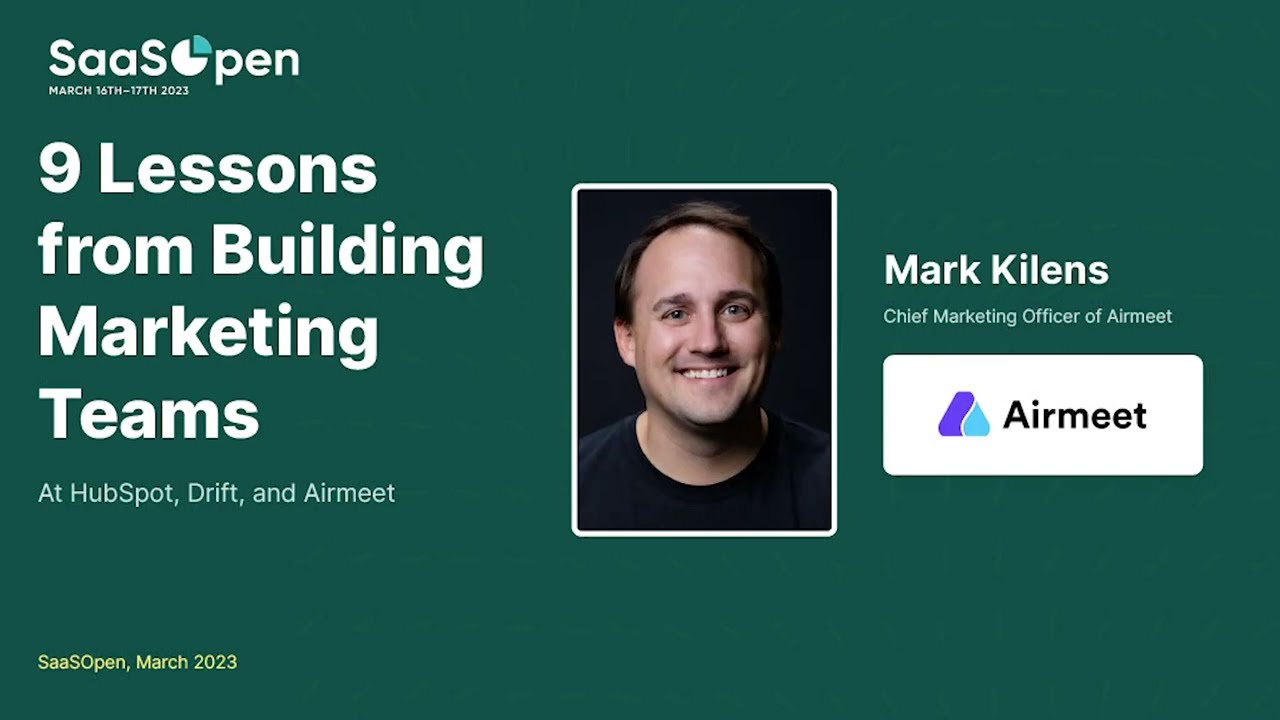
Mark Kilens went from HubSpot employee 140 to Drift to Airmeet, and the playbook he brought is almost entirely about people. Airmeet's own numbers tell a more complicated story.
vFairs 10x’d revenue in the pandemic year on inbound alone, bootstrapped, then stalled near $30M once events went back in person. Its CRO’s answer was deal size, not demand.
Asked for Inbenta's gross revenue churn in February 2019, Jordi Torras said 40% — a number that couldn't possibly be true. Untangling it exposed the engine behind a $14M business losing only $160K a month.
MP's payroll business topped out near $3M as pricing collapsed. Jason Maxwell's answer was to stop owning software and start distributing someone else's — a $7.8M run rate with zero engineers on the payroll.