

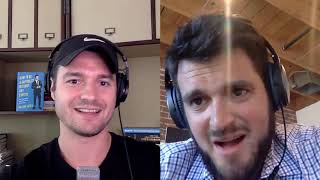
 Watch: Yeti interview
July 2019
Yeti interview
Read the transcript
hello everyone my guest it is tony sheriba he's built software products his entire life starting uh creating websites and apps for the world's most popular musical artist in 2010 he founded a yeti a leading soft uh leading software development and design agency he's worked with many fortune 500s and notable startups you'll find his writing an entrepreneur techcrunch and forbes tony you're ready to take us to the top sure thing so just to be clear you are an agency that builds apps for fortune 500 folks like westfield mall not a sas product yourself correct yes okay and we've done a number of sas products uh for other clients and we have a couple that we're working on for ourselves as well so so name one that you built for a client um well one like a sas product specifically correct yeah um i mean so we worked with a company called paradata down in uh down in san jose that was building that was a software product uh for bill of material apps or like to create bills of material so it was going through and um you know making sure that you know your entire supply chain is uh you know monitored and optimized okay um so yeah just that one example and so give me a sense of the skill of the agency right now how many folks you have there uh full-time we we have like 11 12 people um in-house but then you know we scale up and down based on uh the number of you know the number of projects we have so we have like 25 full-time people equip you know depending on the on the project how have you resisted the urge to jump into your own sas world you have to hustle every month land new customers the agency model is you know hella hard to build margins are shitty why not go on on the software idea yeah well i mean honestly i think it might be because i have a little bit of add and i'm always looking at new things and trying to trying to get involved in that um the you know i say it to my my staff all the time our product is our process and so we have we've developed a really good process for uh you know building new products from from soup to nuts um and we have uh you know we're worse even the sas products that we are creating and that we're starting to roll out is related to helping people develop products themselves um so we're really like kind of like you know focused on that automation yeah but i mean that's my thing right if you get if you have built this process eventually go oh my gosh this is so powerful you get more excited about getting that into the hands of millions of people building products versus you doing one-off hundred thousand or million dollar kind of consulting gigs you know building a product soup to nuts for westfield interactive shopping maps in stores so i guess that's what i'm asking you right is is there a tipping point where you end up do going all sas or no do you really like you just enjoy the consultative nature of doing one-off projects i i like the consultative nature of it um you know and and as our business grows i've been doing this for nine years now as our business grows it it starts to become more and more of a partnership and and less of a like transactional relationship between our between our clients and so it's you know there's you know when we're working with startups you know there's oftentimes like equity on the table um you know when we launch things it's you know something that is you know we're building it but then there's like you know huge like huge opportunities for both sides when we when we get through building like get through equity in any any sas companies you've built um not uh well yeah uh yeah we have we have a few like bets on the table um what's that mean uh i mean like like warrants and you know options and things so when there is like a liquidation event we can exercise on them yeah yeah at a obviously a price much cheaper than what they're selling at at that exit price right i mean the problem for a service business is if we get compensated and like full amount of equity we actually still pay some tax on that yeah yeah i mean this is by the way this is the tricky thing with any agency right um is like there'll be startups founders pitching you all the time especially in san francisco going hey tony do it for free man i'm going to be a billionaire we'll give you 10 and you're like bro i got to pay 20 people to build this thing over the next two months yeah exactly i mean that that doesn't work i mean i have to break a lot of hearts and just basically tell people like hey you know we are not we're not a vc um you know i can't i have people i gotta pay uh but you know the people that we do partner with are people that are bringing a lot to the table yeah so excuse me so help me understand how you scale the agency if it is something that you want to scale right um is it just adding new is adding new humans essentially to the equation is it getting new customers how do you scale uh so for our business i mean like i said we've been in this in this like nine years now and so we're really not um i i for a long time was trying to scale scale revenue and just like try to crank revenue and get a bigger head count uh that it really doesn't work it doesn't work in the service business and so you know really like what i'm doing right now with my life is i'm trying to optimize our our profit um you know make make sure that the people you know everybody working here is like you know making more money and like we're doing better we're doing better work with our customers and you know honestly just like having less stress and work with better like you know work with better people um and then from there you know invest in our own um you know processes systems like sas products that we can build um and you know and and and go from go from there because yeah the margins as you mentioned the margins can be really shitty if you're trying to like you know blast growth through start uh yeah so you launched 2011 uh fast forward to today when was your first million dollar year do you remember 2014 i believe yep and what is too big for you like it sounds like you've kind of said we don't want to ever get bigger than three million dollars a year or something like that what do you think i'm not i'm never gonna cap revenue um it's more it's more uh it's more like like head count so we had we were up at like 25 full-time full-time people um like in our in our agency at a certain point what year uh 2016 2017 and did revenue go up with head count like did you break three four million that year revenue went up but we were on a we were on a roller coaster um between like month to month project to project and so you know we we decided that we really need to like scale down like the total number of head count we didn't have to we didn't like you know just full full-on lay people off but people left and you know we we didn't replace them yeah we filled them in with contractors um you know built out a bigger a bigger network a bigger contractor base so um yeah it became like you know it's it's a lot you know in the in the business i'm in it it makes a lot more sense to just you know have a flexible working model and people people love it i mean i've got i've got a guy who's traveling the world and you know he picks up projects when he when he wants it i've got a guy who you know loves doing burning man art but you know also wants to make some money doing things on the side right so funny yeah all right very good so let me ask you in 2019 i mean what do you think you'll close out at this year in terms of revenue revenue i think would be like just just shy of three yeah um yeah i but again it's a it's a profitable three which is way better than like you know where we were at 2016 2017 when you know i was making a bunch of money one month and then like losing that you know losing my shirt on yeah tony by the way by the way and kudos to you for fighting that in in the area of the world that is most famous for chasing unrealistic growth right i mean yeah do i much prefer a profitable three than right you know a very very unprofitable 100 million even um so i guess my next question to you is because i hope this service as an example to other founders who want to stay bootstrapped and don't realize they don't have to raise capital um how do you personally structurally pull capital out of the business to go make investments in startups that you like or to fund your own personal life things like that yeah um i mean honestly i'd look for some some advice on that on that broadcast so you do like dividends or an employee rev share plan or just your salary or what yeah we have we have a profit sharing plan with our with you know the people on our team i mean but honestly like you know it's it's you know we i pay myself through the through the business we we take it's a 50 50 partnership with another another uh you know guy we started the company out of school um you know the and so you know we will distribute make the you know make distributions to ourselves and how many i was gonna say how many customers do you think you'll work with this year um probably 20 maybe like yeah like not not anymore maybe less than that yeah i mean that's i'm just saying you take three million divided by 20 you're talking about you know average projects being about 150 grand something like that yeah yeah i mean and we have clients that are like you know far higher than that um you know but where the way that we structure our business is we have like you know big projects that we've worked into but we'll start with a smaller thing and then get and then get bigger as as things go on yep makes good sense let's wrap up here with the famous five number one what's your favorite business book oh um i i mean it's not really like a you know cover to cover read but traction is like you know a staple which one just mirrors or the other one um the eos like gino whitman yeah yep number two is there a ceo you're following or studying um it you know i i i read the steve jobs biography i really like his his work i actually you know prefer to read like you know bio like i loved all the walter rice's classics and biographies uh benjamin franklin leonardo da vinci like those things yeah so not necessarily going through this but to say i've got a bunch of those on the bookshelf behind me these are great books all right number three what's your favorite online tool for building your company um well jira i mean we used jira like crazy number four how many hours i sleep to get every night six to seven and situation married single kids uh married with a dog oh good okay so mary no kiddos and how old are you i'm 31. last question what do you wish your 20 year old self knew oh just relax man like relax and then i'm actually like refining some of it like you know doing a a decent amount of like uh neuroscience type things and just like you know focusing on like manifesting and positive energy um and so it's like stuff i knew when i was 20 and then i like lost and i'm coming back to it a bit guys there you have it yeti co agency model building companies in san francisco again building a lot of sas apps other enterprise clients these are about 20 customers this year average contract called 150 grand they'll do 3 million this year up from called a million back a couple years ago in 2014 launched back in 2011. team size today about 12 people which obviously fluctuates with project sizes but he's focused on healthy growth not uncontrolled growth it's a profitable three million bucks tony thank you for taking us to the top cool thanks evan