Latka logo

2024 Revenue

$30M

Customers

13.3K

Funding

$0

YOY

25%

Avg ACV

$2.3K

Team

214

Churn

4%

Founded

2016

How Ninety.io CEO Mark Abbott grew to $30M revenue and 13.3K customers in 2024.

Ninety is a cutting-edge platform that streamlines the challenging process of creating exceptional organizations on a large scale, enabling teams to collaborate more intelligently and efficiently. Ninety's straightforward, robust, and supportive tools have garnered the trust of over 9,000 small and mid-sized businesses worldwide.

Last updated

Ninety.io Revenue

In 2024, Ninety.io's revenue reached $30M. The company previously reported $24M in 2023. Since its launch in 2016, Ninety.io has shown consistent revenue growth.

Ninety.io Revenue GrowthReported revenue / ARR over time$0$8M$15M$23M$30M$38M201620172018201920202021202220232024$0$960K$2M$10M$10M$30MSource: GetLatka.com interview on Sep 5, 2024 with Ninety.io CEO Mark Abbott
YearMilestoneQuote
2024Ninety.io Hit $30m revenue in April 2024
2023Ninety.io Hit $24m revenue in December 2023
2023Ninety.io Hit $23m revenue in October 2023
2023Ninety.io Hit $21m revenue in July 2023
2022Ninety.io Hit $10.4m revenue in November 2022
2022Ninety.io Hit $10.4m revenue in March 2022
2021Ninety.io Hit $6m revenue in November 2021
2021Ninety.io Hit $6m revenue in October 2021
2020Ninety.io Hit $2.3m revenue in October 2020
2019Ninety.io Hit $960k revenue in October 2019
2016Launched with $0 revenue

Ninety.io Valuation, Funding Rounds

Ninety.io is a bootstrapped Other Collaboration Software startup. Founded in 2016, Ninety.io has grown to $30M in revenue without raising any venture capital or outside funding.

As a self-funded Other Collaboration Software SaaS company, Ninety.io has built its business with no outside investment.

Ninety.io Capital Raised & ValuationCumulative capital raised and post-money valuation by roundCapital raised (cum.)Valuation$0$0$0.2$0.2$0.4$0.4$0.6$0.6$0.8$0.8$1$12016Source: GetLatka.com interview on Sep 5, 2024 with Ninety.io CEO Mark Abbott
YearRoundAmountValuation% SoldQuote

Interview Notes

Company snapshot

  • Ninety converts entrepreneurial-operating-system (EOS) best practices into an all-in SaaS toolkit for SMBs.
  • Current reach: ≈ 13 300 customer companies.
  • Average annual spend: ≈ $2 500 ⇒ ≈ $33 million implied ARR.
  • Outside equity: effectively bootstrapped / undisclosed.
  • Workplace cred: 98 % “Great Place to Work” score (2024).

Growth trajectory

  • Revenue expansion has remained well into double digits since launch.
  • 2017-21: ≈ 100 % YoY for several consecutive years.
  • FY-2023: ≈ 85 % YoY.
  • FY-2024 outlook: “a bit below 85 %,” still robust.
  • Usage footprint: “several hundred-thousand” individual log-ins across the 13 k companies.

Revenue model

  • Ninety monetizes through a straightforward subscription, amplified by a coach ecosystem.
  • Core SKU: all-in productivity & ops SaaS.
  • ACV: ~ $2.5 k.
  • Channel mix: direct + coach/consultant partners.
  • Referral economics: 10–20 % rev-share (e.g., Exit Planning Institute coaches).
  • Key relationships: EOS implementers (828), Vistage sponsorship, Exit Planning Institute (5 k coaches).

Product & AI roadmap

  • The platform keeps widening beyond scorecards and meetings to AI-guided org design.
  • Current suite: nine “core competencies” (meetings, scorecards, goals, etc.).
  • AI org-chart generator: input industry, stage, headcount → suggested structure & KPIs.
  • “Maz” mentor-bot (in development): personalized coaching on communication styles, KPI guidance, conflict reduction.

Team & culture

  • A strengthened exec bench hasn’t dented employee sentiment.
  • Founder / CEO: Mark Abbott.
  • 2024 C-suite transition: new functional leaders hired; culture score rose despite the re-org.
  • Recognition: multiple 2024 Fortune “Best Workplaces” lists.

Quick-grab numbers

  • 13 300 customers.
  • ≈ $2 500 ACV.
  • ≈ $33 M ARR.
  • 100 % → 100 % → 100 % → 85 % YoY growth curve.
  • 98 % GPTW rating.
  • 828 EOS coaches • 5 k EPI coaches.
  • 10–20 % partner rev-share.
  • No equity granted to EOS founder Gino Wickman.

Founder / CEO

Mark Abbott

Mark Abbott is listed as Founder / CEO at Ninety.io.

Q&A

QuestionAnswer
What's your age?63
Favorite online tool?-
Favorite book?-
Favorite CEO?-
Advice for 20 year old self-

Customers

Ninety.io serves 13.3K customers.

Ninety.io Employees & Team Size

Ninety.io employs approximately 214 people as of 2026, up from 150 in 2023, including 2 sales reps that carry a quota. It serves 13.3K customers that rely on its solutions.

Ninety.io Team GrowthReported headcount over time05010015020025020162017201820192020202120222023202400214214Source: GetLatka.com interview on Sep 5, 2024 with Ninety.io CEO Mark Abbott
YearMilestone
2024Reached 214 employees (November 2024)
2024Reached 170 employees (April 2024)
2023Reached 150 employees (November 2023)
2023Reached 150 employees (October 2023)
2023Reached 121 employees (September 2023)
2023Reached 130 employees (July 2023)
2023Reached 116 employees (July 2023)
2023Reached 109 employees (July 2023)
2023Reached 94 employees (January 2023)
2022Reached 64 employees (November 2022)
2022Reached 34 employees (March 2022)
2022Reached 66 employees (January 2022)
2022Reached 77 employees (January 2022)
2021Reached 42 employees (November 2021)
2021Reached 42 employees (October 2021)
2021Reached 29 employees (August 2021)
2021Reached 28 employees (January 2021)
2020Reached 20 employees (November 2020)
2020Reached 20 employees (October 2020)

Frequently Asked Questions about Ninety.io

What is Ninety.io's revenue?

Ninety.io generates $30M in revenue.

Who founded Ninety.io?

Ninety.io was founded by Mark Abbott.

Who is the CEO of Ninety.io?

The CEO of Ninety.io is Mark Abbott.

How much funding does Ninety.io have?

Ninety.io raised $0.

How many employees does Ninety.io have?

Ninety.io has 214 employees.

Where is Ninety.io headquarters?

Ninety.io is headquartered in Park City, Utah, United States.

Compare Ninety.io to the industry

Ninety.io operates across multiple industries. Browse revenue, funding, and growth data for Ninety.io in each sector below.

Full Interview Transcripts

Ninety.io interviewSep 5, 2024

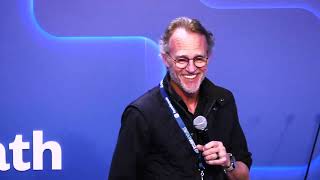
well I I don't want to bury the lead but I I rarely see someone take advantage of a movement and build it into a $30 million Revenue software company as quick as you did so guys buckle up Mark take it away to aw awesome thank you all right so good afternoon I'm curious how many of you are founders Andor CEOs all right I'm curious during your journey as a Founder Andor a CEO um how many of of you have actually kind of hated the journey for at least a little bit if you raise your hands all right you're my audience thank you all right so over the next 20 minutes or so I'm going to talk about um our growth because you know Nathan always likes to hear people talk about their numbers um and then I'm going to talk about our business and how we help people do something which I'll talk about in a second and then how we've also gone about getting our customers which he also talked about a little bit so our growth but then I'm going to go a little bit different um than most of the other speakers I'm going to talk about where the world is and where it's going because if you're a CEO or a Founder you need to be aware of all this and you need to play into it right we want to ride the wave not fight the wave so I'm going to talk a little bit about where the world of work is going and then finally I'm going to talk about how we're leveraging AI to help our clients ride the wave all right so that's the next 20 minutes so a little bit background on me I started my career back in the 80s all right so I'm an old dude and um I started with a big bank and they sent me down to Oklahoma City to work out bad oil and gas loans so really early in my career I found out what happens when a company goes under and how it hurts lots of people not just the investors but the employees the community um and uh and and and and even their their vendors and their customers so it's not a good thing so I did really well at that and I got to go anywhere I wanted to go in the bank and I helped start a leverage buyout Finance business started sitting on a bunch of boards and I became fascinated with the Art and Science of building companies uh helped build a company um and a platform that was pretty uh successful helped take company public to this day the company's over 5050 billion pretty well known in space and part of my journey was I love data and collecting data and understanding why things are the way they are um this takes us to the next thing because I like understanding things and why the way they are I um I ended up being on a bunch of boards and um I actually got frustrated as a board member because I thought building a company is not this hard it's not that complicated I should say it's hard but it's not complicated and so so I got frustrated I thought I should be able to help people with this thing and that's really the big idea behind 90 which is that we're going to give people everything they need to build a company that ultimately you'll love forever because for a lot of us there are a lot of times when we don't love our companies so what's 90 we're an Innovative cloud-based platform that simplifies the hard work of building extraordinary productive and human and resilient organization where people are focused aligned and thriving now you'll see up there we've got great place to work certification we came in at 98% this year um I was afraid of our certification because we do it every single year and honestly I was afraid of it because we just did one of those transitions that you will do as you as you navigate the stages of development of a company we went from having a about 10 different departments reporting to me to me hiring a SE Suite over all those department leaders and that's not an easy thing for people to experience right and so I thought for sure my numbers were going to go down our numbers were going to go down this year and they actually went up and we made it um on a number of Fortunes uh best places to work uh list this year and so we've been able to sort of walk the talk if you will so I'm proud of the team proud of our organization all right so what do we do we basically just help people Master the fundamentals as I mentioned earlier and we do this by helping a master what we call the nine core competencies I won't get into all this but right you need to have the vision stuff you need to have the customers obviously you need to have the goals there's about nine things that you need to be great at and when you're really really strong at these things scaling starting building scaling and running your organization just because so much easier all right how do we do this we have a bunch of tools these are the tools that everybody in the company should be using everybody should be in meetings everybody should be having quarterly conversations everybody should have kpis every team should have scorecards right everybody should be hopefully helping the company move 90 days forward right all hitting about 90% of what they want to do so those are the goals and we help people communicate share ideas and come together we give assessments and so really everything that the everyone in the company is using we want them to all be using the same tools so they're on the same page so that's what our platform does what we do is we help people think about whether or not they really want to become masters of being being great company Builders so first thing is in our process is just assess whether you want to build a great company you know I'm not a magician if you don't want it I can't help you get it but if you really do want to try to build a great company we can help you figure that thing out once you to decide you really want to build a great company next thing you need to do is get everybody and your senior leadership team to agree and then to commit to the journey and then the first thing is to focus make sure you guys are all on the same page in terms of what your you're trying to build then the next thing is to make sure everybody else in the company is aligned around where you want to take the company and then ultimately where you want to get it to is where everybody in the company genuinely loves being there one of the speakers talked about it earlier you want to be surrounded by people who genuinely care about one another and want to work together and want to make the company better and better and stronger because they understand that together you can build something extraordinary so that's what we help people do all right so from a revenue perspective we've started the company re first revenues were 2017 um we grew you know like a lot of smaller businesses 100% 100% 100% plus um last year we were 85% this year we're not going to quite hit 85% but we're going to still perform pretty darn well and I know Nathan's probably GNA ask me a question about that later on so let's jump into work now so the ages of work so we're going to talk about the ages of work I'm going to talk about the future of work in learning and I'm going to talk about what I like to call useful intelligence as opposed to artificial intelligence so I've got a book coming out called work 9.0 and it talks about the Seven Ages of work we've been through the eighth age that we're going through right now and my optimistic perspective on the ninth age of work so the seventh age of work was the age of information you're all aware of that right part of the age of information was we became overwhelmed we didn't know what information to believe in what not to believe in we were talking a bit earlier someone was talking about a bit earlier about the um Jen gen Z wanting to understand things well we all want to understand things a lot better than than we have been right we want to understand what's real what's not real this is why I talk about useful information so I deeply believe that Co started this transition and that chat GPT has accelerated it and by the way big transitions like this do not happen without a lot of turmoil transitions like this threaten the status quo there's status quo all over the place all over the world and if you think about some of the anxiety and some of the stuff that's going on that's what we're going through right now there is a major transformation taking place in the world right now and um we need to As Leaders we need to be able to confidently walk our way through and take our organizations through this major transformation so I think it's really important to understand what's going on and that's why I've spent the last four years writing this book that hopefully will be out the very beginning of next year so Trends future of learning lifelong learning all right skill-based credentials decentralization of knowledge letting people move at their Pace these are the future of learning the future of work is proliferation of data it's teaming right and it's developing soft skills especially for leaders we need to be able to meet people where they are the status quo is not enough one of the things someone else was talking about is you know I've written a ton of stuff probably if you go to our website there's a we have a section called 90u I probably have thousands of pages that I've written on how to start an organization how to scale your organization understanding where you are developmentally um how to give hard how to have hard conversations all this different stuff right and we give it away for free because I believe information wants to be free we try to protect it sometimes but the reality is it def it desperately wants to be free and so every team member should have information that they that we can give them and make it digestible and all this results in a workplace where people feel like they matter and they're being appreciated and they're trusting and we're trusting them with their information all right I mentioned earlier I believe what it's all about is that is useful information not artificial intelligence useful intelligence all right so how are we helping companies navigate this new era that we're going into with AI as an example well let's just say you've come to 90 and you are in an certain industry at a certain stage of development and at a um and have a certain number of people well within plus or minus a year from now you can give us that information and we will immediately give you what a likely organizational chart will look like for you not only that we'll give you the kpis not just for your company but for every single seat right so this is an example of us leveraging artificial intelligence to help you navigate your stages of development first stage is just figuring out survival second stage is getting things up and running and moving right you've proven product Market fit third stage is starting to scale the organization fourth stage is you're succeeding this is predictable it's consistent and then the fifth stages youve got into the business to the place where you actually don't need to be there anymore that's scary for some people but the reality is we need to get our companies to the stewardship Sage this is a place where we could gladly hand it to the next generation of leaders or we could sell it to someone who we would genuinely be happy selling it to ultimately we want to have that something that we we deeply feel good about because wouldn't it be great to love your companies forever even after you've sold them all right so now talking about the humans in the company right how are we going to use AI there we're building out a mentor bot I've been working on him for a year and a half now his its name's Maz I struggle sometimes with the gender thing but its name's maass and ultimately it's going to meet every one of our employees where they are it's going to help them understand themselves it's going to help them understand others it's going to help them interact with their teammates it's going to help them collaborate and make decisions taking into consideration the unique characteristics of the indiv individuals so as an example if I'm a high FactFinder and someone's a low FactFinder it'll help us meet in the middle in terms of sharing information helping introverts understand extroverts extroverts like to think and process out loud introverts want to have time and wait and be able to think about something introverts want to have a be able to go home at night and think about it and then come back so really helping people to better understand one another so that ultimately we can reduce the level of friction associated with doing work and just loving work working together all right so that's the big idea around some of the ways we're helping we're incorporating Ai and our platform is to help people understand where they are what's important what to focus on using assessments to help everybody in the organization understand what's not working what's not working so they can prioritize properly and so they can also decide on what they're not going to worry about maybe it's for another quarter maybe it's for another year Etc but there's a I'm super excited about the things that I see us being able to do for our clients and um and uh I'm extraordinarily optimistic about how a AI is going to help all of us build companies that will ultimately love forever and that's all of my prepared remarks any questions here hit my mic yeah Mark I'll fire a question at you won't be about it won't be about Revenue um how did you identify uh um because you built this around traction a lot of people have problems identifying movements to build around it we saw it with chili Piper They tried to build a movement around meeting automation it didn't work you successfully built a movement real Revenue growth around a a movement how did you align that is Gino in on this does he have equity in the business yeah no no equity in the business um so it goes back all the way to 2000 so the idea for 90 actually started before I ever heard about traction um so it goes back to 2005 and I was going to write my own book called connecting the dots and then create the software um and then I actually invested in a company that started to run on 90 I personally invested in it and so I read the traction book and I was like that's better book than I was going to write because he's really good at simplifying things and the second thing is I wasn't planning on starting a coaching community and Gino was building this coaching Community today as you may or may not know there are over 800 EOS actually 828 as of last week EOS coaches around the world that wasn't the thing I was thinking about doing so so when I heard about traction I read the book then I met Gan on I said hey right I was going to do something similar I wasn't going to do the coaching Community thing I really wanted to do the software thing um and uh could I possibly join the community and and and build the software and his answer was we tried it it's not in our DNA and the rest is history it's not in our DNA so I guess I'm part of thing I try and do is pull out from all these speakers like nuggets you can take so like one of the patterns we see from 3,000 interviews and having diligence hundreds of data rooms at founder path to do these debt deals is starting as an agency is a hack it's it's totally a hack the most successful software companies we see that are most underwrite bankable they usually launch an agency another way is they get on on a movement so if you can go find a coaching program with hundreds of coaches but no engineering DNA that is a prime target for you to go build software for that Community it already exists then go build an economic relationship with the leader of that consulting firm or or coaching company and then boom you have a software command it's growing very quickly so you've done this very well and then the other thing is we now have a strategic partnership with vistage there's a group called exit planning Institute that has over 5,000 coaches that we have a what Kickback do you pay them beg your pardon what Kickback do you pay them um we're just sponsors for vistage so we don't kick them anything no Revenue share No Revenue share and uh with regard to Epi we do have a revenue share okay can you share that or no you're smiling something I'm smiling it's it's it's between 10 and 20% I'm not exactly okay I don't have what's the average customer pay for 90 per year the average customer pay for 90 per year um about $2500 okay 2500 so let's just make the math these if someone if they bring if e brings you a company that pays you 2,000 per year you'll kick them back something on the order of $200 to $400 per year as long as the customer stays active yeah and I should have mentioned earlier um you know we have 13,300 companies now running running on 90 and you know several hundred thousand people in those companies well we're excited about the movement in You're Building thanks for showing the revenue graph your future of AI congratulations on getting the book done and good luck on the launch guys give it up for Mark Abbott from 90 mark thank you that was great thank you

He Used Community to Hit $7m Revenue, VC's chased himMar 12, 2022

founders what's going on you guys know i love in-person events and they are back the recording you're about to hear is from our most recent event where we had hundreds of founders come together share intimate details templates kpis okrs about their business and it was something special something special we'd love to meet you in person if you want to see the next live events we have coming up via our schedule the link will be down below in the description if you're listening on itunes check this out on youtube you'll see the links in the description or you can just google founder path or latka next event we'd love to see you in person in the meantime though enjoy this recording it's a good one our business is about helping people build great companies and the reality is is every single one of you out here has an operating system the question is what kind of operating system do you have there are about five operating system types that are out there if you think about it first of all when you start a company you've got this thing called an accidental operating system right so you've got papers and excel and powerpoints you're just trying to get your act together and you're working like dogs just trying to get make things happen right and so a bunch of people are doing a bunch of different things and you're probably not even using the same tools to figure it all out and then all of a sudden you're like wait a second we can't have people's names in one document here and another document another document here let's bring it all together and that's called an intentional operating system and then you're like you know what people have built businesses before someone's probably figured this out why are we sitting here creating all these tools when i'm sure someone's already done this there's books on how to do this there's tools out there has someone figured this out and if you go out and you look there are a bunch of books out there there's e-myth right there's traction there's the great game of business there's the advantage by patrick lincione trying to think of some other names that are out there there is rockefeller habits scaling up there are a bunch of books that are out there right and they kind of lay out how people have been doing this for decades and decades so that's called a designed operating system right and then after that you come to a holistic operating system because some of the systems don't have everything in it so as an example eos which i'm very close to really doesn't have anything about figuring out how to build value right because the reality is in our industry right we're not focused at least lots of us aren't focused on ebitda we're focused on growing revenues right and so the value of the business is based upon the revenues not the ebitda so get your arms around how you create value and then the last type of operating system is actually what we're doing we're creating an integrated operating system which takes all this information all these tools all these disciplines and puts it all together so it's almost easy to build a great company mark before you go forward go back one i'm going to sell you for a second go back two slides just to the right revenue growth graph so people they're more likely to pay attention i know uh at least i am the revenue success of the business right so you get going in 2017 small revenue where you at today so arr as of today is about 10.4 million okay so this is this graph is actually a little bit old 10.4 and um how much did you grow to before you raised so fully bootstrapped so we uh raised money last summer and at that point in time our ar was around four around four million yep and then how much did you decide to raise so we raised 20 million okay that's the lead now let's keep going we'll come back to that in a bit all right all right so what i'm going to do here is share with you um these three playbooks right so number one we're going to talk about community how we leverage community to to get going how we activate people when they get into our system and then the top metrics that insight partners looked at and fell in love with and we're going to share with you that they didn't actually understand our business as well as they loved our numbers which is kind of a funny story so how we use community so we don't sell we serve and this is an important thing i want to talk about this a bunch of different times because there's so much i'd love to share with you all right but one of them is i believe we're moving into a new age of work all right and i believe that every single one of you to succeed in this new age of work you have to have high trust relationships with all of your stakeholders all right so think about that you have to have high trust relationships with all of your stakeholders and obviously your employees and your customers and your vendors are all stakeholders and ultimately society is a stakeholder because we're moving into this age where everybody pretty much knows what's going on you can't hide anymore all right and so so we don't sell we serve there are a bunch of books in the market about operating systems and so people are aware of operating systems the market is aware of what it is we're selling big picture wise and there are coaches there are thousands of coaches and they're all sales people for us right and in particular we've been close to the eos community right the book traction which i'll show in a second and there are millions of copies of traction out there which is super cool and they're like i said thousands of coaches and there literally were up until recently about a thousand coaches just selling eos and so we're very close to those folks and mark what so when you say selling eos what does that mean is the eos a website is it a template is it a playbook yeah so eos is a book and it describes the six key components of a business and it teaches you how to master those six key components so getting everybody on the same page in terms of vision getting right people right seats getting really good with data getting really good at problem solving getting really good at building out your processes remember one of the slides just a bit earlier right getting everybody on the same page with regard to who does what i call it agreement-based leadership and then ultimately getting the title of the book in the us traction we call it getting smart [ __ ] done right but just getting traction so it explains how to get strong at all six of those key components cool so here is the slide that shows you the number of coaches and as you can see just in the eos community it went flat grew went flat but then you can see the number of coach companies and these are companies that all the coaches have coached there's over 12.5 000 companies out there and if you saw the slide earlier we've got 50 200 running on our software right now now the reality is is for every coach company that's out there there's about nine times as many companies that can't afford a coach because coaches cost like 25 to 30 000 a year and our software makes it almost easy to master the tools without hiring a coach and we're only 14 bucks a seat per month all right so talked about the book so here you can go back to the book for a second yeah so so now we'll go back to that slide so do you guys do you own this so i do not own it yeah so how does that work yeah so we just pay a license fee to eos to use the terms so we pay 10 of our revenues to eos to be able to use their trademark terms in our software we got about seven trademark terms so we're paying almost a hundred thousand dollars a month for seven trademark terms right now cool huh should we talk more so people i mean it sounds like i'm gauging reaction people say well that feels high does it feel high or is it worth it oh you're a customer okay i guess it answers that question all right so as you can see what's interesting is um at first all the clients were coming to us through coaches but now we've got a bunch of companies out there running on us they're aware of us they're telling people about us right i'll give you a couple punch lines here ahead of time net promoter scores go up and down because sometimes you know in software everything's not working perfectly but we're typically between 50 and 70 on that promoter score which in the smb space is pretty damn good right i'm going to give you the really big punch line if you use our system and you cascade it all the way down so everybody in your company is using our tools including the feedback tool our churn rate annualized is less than one percent that's an smb guys less than one percent you know how many companies go out of business as percentage in the smb space every single year right so what does that mean it means it's sticky but it also means we're helping a lot right i've got emails from entrepreneurs saying please don't super jack up your price of your software because we're so dependent upon you right now does this make some sense because we're in everything right their meetings their goals their processes their feedback we're involved in everything the company does to do work on the business we're not working in the business tools like we're not a marketing tool we work on the business tools so all of our tools touch every single person in the company so the good news is we're getting a lot more growth from the non-coach side of the world all right so how do we activate so this is really cool so i'm going to talk about we three users if we can get three users in during a trial period we're almost at like 80 90 percent conversion rate we have world-class chat remember i said we're moving in the new age of work called the age of understanding high trust relationships we're there within five minutes always with real people answering your questions doing everything we can and we're going 24 7 as soon as we possibly can because if you're an entrepreneur and you're working on building your business and it's one am in the morning my son's in my head right now one am in the morning dad is redundant all right but if it's one o'clock in the morning right we got to be there for you so world-class chat and then um and then ultimately we get them to expand the use of the tools so that's how we do it so i mentioned earlier the conversion rates if by by the end of the trial if we can get three plus people if there are 10 plus people in the company at least almost 98 percent five member talked about chat so intercom right we're there for you we understand what's going on we've got real people and and um we make sure that we get you we get your issue solved as fast as possible and one of the things that's really super important in my company is you care we care about that's our number one value proposition is we care it's not innovation it's making damn sure we're taking care of you and you know we're taking care of you so if you go to trustpilot as an example we're like 4.7 and are people just like man this is one of the best customer service experiences i've ever experienced in sas right and then support staff knows product well it's really key so i mentioned the one percent less churn right so getting people to use the tool we do webinars we do anything we can to help our help people master the tools wait wait go back real quick because this is the first time you showed a screenshot of your actual product interface this gives you guys an idea of sort of what he's you know what 90 is selling uh they're on the right right you mark do you want to talk anything a little bit about that maybe you know um it's funny um i'm gonna be really just you know this is what we do here right we talk real honestly so um we've got a new tool we're working on right now and i reached out to metalabs and they came back and said you know can we can we can we help you with your user interface i'm like you know we just went through a whole process to update it and they're like yeah but you know we think it could even be better and i'm like [ __ ] right so we tried to make it super easy super intuitive super super super navigatable we hear this from 95 of our clients every now and then there's someone out there who's like really critical and we love that right we want to get better and better and better but uh yeah it's the ui is really super simple people can get up and running on it and we start doing demos like oh i get it's just all right there boom you look click on it and it's obvious it's a meeting tool it's an accountability chart it's all obvious stuff is that cool yes you're up now to like 4 million in revenue and the next slide you're going to talk about when insight reached out like what do they think about so take us through that journey yep cool all right so going up went the wrong direction so there are somewhere but just in the united states alone um and it depends on whose data you look at so if the zoom info guys were here right but it's at least our target target market is companies with 10 to 250 employees and um and somewhere between one and three million small mid-sized businesses fall in that category in the united states it depends on who's whose number you're looking at and my my research suggested on average it's 40 people right and i think that the us represents approximately a third of the sort of the world that's going to be interested in our product and so you take that number times three so let's just go in the middle and let's say 2 million times 40s 80 million times 3 240 million people times 14 you guys can get the size of the market from that math probably right so it's a big market um we've been growing at five to eight percent month over month revenue um to be direct with you on the the data you saw earlier we put our first price increase in last month february so we never increased prices so we were 12 bucks up until up until last month so that's part of the reason our numbers are growing have grown as far much as they have in the last couple weeks um but we've been doing five to eight percent month over month revenue growth for several years now cac payback period we got coaches we don't even pay them a referral fee you can get the sense for that payback period and then we have our marketing but on average our payback period is about three months the way to top that coaching team it sounds like there's a licensing fee you pay right does that come with the licensing i don't have that included in the cac good point but what makes the coaches sell you because we make their clients lives so much easier so they can make more on their services if they get their clients on eos 90 software yeah and i don't know this is a really good one just like one of my colleagues um but it used to be that you'd have your clients 80 of your clients would graduate it takes about two years to teach someone how to master eos so about 80 would graduate i'm pretty confident if you think about our math that we and we turn that graduation rate up to 90 95 percent but more importantly it's just the the the whole experience is that much easier right you walk out of a session everything's there you just go back and you just have your weekly meetings it's really easy to master eos in our opinion using our software and i remember old clients before we got the software out there go god i can't believe we used to do it this way right because you'd have all these sheets up you know tear sheets and stuff up you have to go back i don't even remember what i wrote there i can't read my writing it was kind of a pain in the ass so lesson and then user churn is less than seven percent and our net um revenue uh net dollar retention is 135 percent so in sas smb um i can tell you that i'm going to show go here actually i'll go later but i'll give you a piece of insight no pun intended on those ratios in a second so we've already done that one um this was it's funny inside partners so they just reached out to us we were not raising money we had no interest in raising money i'll get to this in a second but they just reached out to us and said we'd like to um to get to know more about you guys k1 reached out to us battery reached out to us a bunch of people started reaching out to us last year and um and i said look we have no intentions of raising anything until we're at least a 10 million ar because that's when i think in my old world that's when you started to be able to have conversations with almost anybody you wanted to right so that's where we were um just back to the coaches there's you know 100 000 plus coaches out there so it's a huge market um already talked about the numbers here net revenue retention mrr growth all that good stuff kec payback we already talked about that user churn um talked about that less than seven percent um annualized and that includes you know we have a lot of small companies you can get into our software for 14 bucks right so there's a lot of small companies in there there's a lot of one or two offs um but uh but generally speaking that's uh you know obviously less than close to it's it's been averaging less than half a percent per month for years um so why why did we raise the money um i've self-funded it for the first you know three four years um i didn't want to i could do that i didn't want to give up um any equity and you own 100 before that basically well i i had sold some to my colleagues okay and and some customers and things like that but yeah so i was at 80 percent up until insight came in only had one full-time employee up until i want to say 19 um and then all the rest of us including me i was an eos coach for years right so i got in there i had the idea back in 2005 sitting on a bunch of boards and i'm going to use an expression that someone shares and it's it's crude so apologize but i would go to these board meetings and i'd i'd invested in 100 companies i built a business that made our shareholders over a billion i'm like guys this isn't that complicated and i thought it was me right but every time we'd go to a meeting i'd say you got to do these things these things and these things these are the right disciplines they'd say yeah yeah yeah they'd smile [ __ ] me is the expression right and i got tired of it i'm like there's gotta be a better way i'm gonna write a book i'm gonna create software it's gonna be easy and obvious and that was 2005. right so it's a long road right but i was the uh so i was this coach because eos had this book it was pretty popular there were 35 coaches they were growing i'm like i'll join the community if they're not going to do the software they said software's too tough we're not going to do it and that's the story so i had a still to this day have a fractional head of marketing coach support we're full time now pretty full time actually we're not totally full time data is fractional engineering's fractional finance is fractional talent all fractional people now what i got was really really good people right that i could afford so it was half cash sometimes all equity but um but i've got people that honestly cost you know 200 300 400 500 500 000 and more a year to support the journey up until now and so now we're doing hiring full-time people we're actually at 50 and we're going to 100 this year and we're getting everybody full time and so wait why is that so to me what i heard was super resourceful found the talent you needed to get contract model very similar to john darbyshire and how he's doing smart suite but now you want to move and basically increase your ftes from 50 to 100. why not say it's like super rational conservative you know milk of what you can use contractors um well because we think that we can grow first of all um contractors aren't cheap and so what happens is we know that we're going from medium two days to three days to four days right and so right now i've got two senior guys in marketing and together they're costing me over half a million does that make sense so and data we've got there's we part of what we want to do is make data a superpower for all of our clients and so we need a full-time head of data like asap there's so much opportunity for us on the data world and so and then talent right with growing and then and then so you just start to all of a sudden and you just and then as the team gets more and more full-time they want their colleagues who are supporting them to become more and more full-time because we're all running as fast as we can run does that make some sense all right um pursued by long list of vcs i mentioned that earlier didn't raise we talked about that insight gave us forward credit um given the consistency of our growth in paying companies paying users mrr and churn um i've already mentioned these things and this is we're proud of this can't can't lie jeff horns who the managing partner of insight said we had the best kpis he's ever seen in smb that's a cool thing that's a cool thing thanks um what they didn't see was they fell in love with our numbers but they never really wanted to understand our vision and where we wanted to go until after they got in there and now they see it and now they believe in it and now they're now they're really you know they're stepping up and they're giving us a lot of support but it was kind of funny because it's like good news bad news right it was like oh man we love your numbers these are amazing let's just do it and it's like wait a second where you guys going where do you want to be in 10 years it's like okay all right let's do it um and that's uh that's all i got for you so just be clear before we go home before we're rapping before we clap and all that jess so um you you you raised um are you comfortable sharing was it all equity or is there a part secondary it was all equity okay it's all on the balance sheet you're talking about it got it and um how was the first board meeting great question i gotta give it how was the last board meeting it's probably the better question but that was the first one we've only had one um so we rate all of our meetings it's what we teach right so we rate our meetings on a scale of one to ten and um so uh chris and i and then we've got a another vc uh friend of ours who's also a coach plus a friend of mine who runs a the best myers-briggs teaching company in the world on our board and then we brought insight one person from insight and uh everybody gave the meeting a nine or nine and a half except for insight and they gave it a they gave it an eight and they gave it an eight because we didn't give them all the numbers the detailed numbers that they wanted to see and and i'll tell you why it's because i thought the board meeting was the appropriate venue for them to hear our long-term vision because they never asked for it and i want to make damn sure going forward they understand why we're doing all the things that we're doing and so they gave us an eight guys mark abbott with 90. give him a round of applause [Applause]

Ninety.io Used Community to Hit $2.8m Run Rate, BootstrappedOct 6, 2020

Introduction hello everyone my guest today is none other than mark abbott he's an entrepreneur ceo and coach with decades of experience across startups early stage small and mid-sized companies his track record includes generating over a billion dollars in gains for his investors his dual passion is not just teaching leadership teams how to build extraordinary productive humane and resilient companies but building every one of the cloud-based tools needed to make the associated journey journey extremely extremely easy mark you ready to take us to the top i am ready all right now you are building these tools for founders that you work with via 90.io that's n-i-n-e-t-y-dot io what's the company doing are you guys pure place ass we are pure play sas and we build an expanding collection of tools that helps people just build amazing companies so a bunch of different tools meeting tools planning tools goal setting tools feedback tools process management tools just an integrated and expanding collection of core tools people need to build extraordinarily productive humane and resilient companies when did you launch the company what year um we had our first beta users in team 21 2017 2017 okay and how many customers Currently serving 1920 customers are now paying for the platform today 1920 a very specific number that's great you're looking at the right dashboards walk be walk me before you get to 1920. you've got to get your first 100 where did you get your first 100 customers from uh so we i belong to a coaching network of uh of uh coaches that teach this thing called eos the entrepreneurial operating system and so approximately half of them probably came from other coaches and and how have you sort of codified the entrepreneur operating system and why you sort of why didn't anyone else do this yeah so actually um there's a long story but we're not the only ones who have done it so there's another company company out there that has a collection of tools that also complement eos but um i actually started thinking about the big idea almost 15 years ago and then um became familiar with the community about 10 years ago and uh and then started really working on the software about seven years ago and how much do these customers pay you on average per month yeah so the average company is paying close to 140 per month okay 140 per month and has it always been that way or are you moving upstream or downstream yeah so the basic way it works is we charge on a per seat basis so it starts at 12 and then as the companies put more and more seats on the system the price declines all the way down to three bucks if they have you know hundreds of of people using subscribing to the system and mark with 1 920 customers paying for Monthly recurring revenue 90. io today at 140 per month what does that mean in terms of what you're doing in monthly recurring revenue yeah we're virtually at 250 250 that's obviously it's a great place to be it's even more impressive if Bootstrapped you've done this bootstrap have you raised have not oh we love we love that i love that answer so what's enabled you to get i mean 1900 customers you started off with the eos community how are you getting customers today yeah we're probably um it's i want to say it's close to 50 50 um in terms of people that are coming out of the community working with another coach and then you know people who are hearing about it through organizations like um eo right the entrepreneur's organization vistage ypo i'm hearing about it from friends we're global you know so um there's there are a lot of communities out there that support entrepreneurs and uh and we seem to be um catching on so what else is there anything else you upsell them besides the the sort of the operating platform tools because once you start getting the thousands of customers up selling even one or two additional tools to increase arpu by five to ten bucks per month it means a big difference to obviously revenue yeah let's just say i have a five-year product build-out road map and we know we know we need to do that we have additional tools that are coming out okay fair enough now are you burning cash today are you profitable um well we could be profitable but we're burning okay how aggressively are you burning obviously you're reinvesting in growth you're talking like 100 net burn per month or less um somewhere between 50 and 100 okay fair enough and where is most that capital getting invested it is invested for we started putting almost all of our money in engineering really didn't do a lot in terms of marketing and we're just getting going in marketing we're also now investing in uh in data so we've actually hired a head of data and so we're starting to you know build out um things we're also working on um so those are the big things right so client success cost whatever it costs engineering then we're building out you know with a pretty decent long-term road map and then we're starting to put money in marketing and into data and mark how many engineers are on the on the team um probably around 12 12 and what's a total team size oh it's um gotta be over 20 less than 25 20. okay got it and do you i mean this price point is a little bit tricky right because 140 a month is not big enough where you can afford to do high-touch sales because they're not big enough contracts but it's also sort of on the expensive side in terms of just being a credit card swipe no touch on a website do you have quota carrying sales reps we have zero sales people okay do you have anyone in sort of customer support or or are people really just swiping without any demo no calls or anything just swiping a credit card on your website no we absolutely have a client success team and we're available to do demos as well as we make it really easy for people to look at videos the software is super intuitive so percentage of demos um to total trials has probably declined by 50 70 percent over the last couple of years okay and now do you do you in terms of growing the platform do you have plans to raise capital are you just funding this from your own your own cash currently well i've i've predominantly funded it myself and then we're to the point now as you know we can start to raise some capital in terms of debt so we're gonna do debt and then um you know it's possible someday that we'll do equity uh i love having control so that's part of the story here right yeah mark you strike me as a control freak which is a big compliment i love control freaks they they then have the total freedom to just build their vision and usually that's where you end up with the best results so i love that when you say you're going to do debt what does that mean how much debt capital would you raise we're um talking to several groups right now about a couple million okay so okay guys so like well i guess let me ask be specific will you raise more than 1x your ar in debt no okay so it'll be below 2.5 you know 2.8 million in terms of total debt you raise correct and how cheaply do you think you can get the debt uh as i said we're in conversations right now um you know honestly honestly i have not been as involved as my uh my head of finance has been so i you know i've got a gut for it but i don't really know yeah yeah interesting and why use debt over equity is it really just a control thing dilution control um got a very clear sort of vision as to where we want to take this thing and um you know so so it's it's it's all about just uh staying focused and and frankly you know i there's a lot of time needs to go into if you want to go raise equity and right now we're you know we're running 90 120 miles per hour just doing what we need to do and so as far as uh you know just allocating my scarce time that's not something i really want to put a lot of effort into right now and back to being control we're going to do it we're going to do it well mark i'm going to make a big statement in a second but i want to know churn first in this sort of price point chern can sometimes ask you what's your gross revenue term like it looks like annually um it's a great question it's come down and come down right now let trailing 13 weeks i almost don't want to say this nathan um but trailing 13 weeks were less than four percent annualized okay uh less than four percent annualized so you're taking 13 weeks times four or five-ish and annualized it's about four percent yeah and do you have expand meaningful sort of upsell and expansion revenue yet uh so you have net revenue retention above 100 140 what are you up selling it's not it's just more and more seats right so they start off with a limited number of seats and then we you know we built it so that over time it becomes really apparent that it's really smart to start cascading down the tools to other people in the company so across your 1920 customers when you look at how they will probably perform the next 12 months relative to the past 12 months performance you expect about four percent of them to churn in terms of revenue churn but 45 of them will expand new seats etc leading to net revenue retention of 140 just on your historical cohorts is that accurate not net revenue retention that's expansion so you you take the 140 less the plus the four percent but you're close right well no i'm not close if if expansion is 140 percent and churns four percent your net revenue retention then would be like 136 sorry 236 percent not 140 136 percent so let's let's just say so you start off with 100 right and then you go to 140 and then of the original hundred dollars we lose four yes so i was got it so i was right yeah yeah so you're 36 yeah yeah so you're i was right your net revenue retention is between 136 and 140 percent great yeah okay got it now let's talk about new user acquisition for a second what's it cost you in terms of fully weighted cac to get a new 140 a month Customer acquisition cost customer it's interesting right and i don't believe the numbers right now they're way too low um and it's a part it's a combination of the you know the fact that we have this great community um so we don't own the community we're not on the community no no we're just members up but if you pull if you pull that number out it looks like our payback period right now because we have not put that much effort into marketing our payback period is literally less than three months got it so you're spending like 300 400 bucks to get into non-community based it's lower than that but i don't even like going there right yep yep well so let me ask you a question then uh you know i built founder path so that founders could click a couple buttons and raise debt without having to go and raise it do a big process sign a bunch of you know term notes you know understand revenue based financing true interest rates we have 50 million deploying to founders we'll have 10 million out here by the end of the month uh i'd love to do that deal with you okay let's talk is the number you're looking for again you said less than 2.5 million is really what you want uh the tricky thing with debt is the second you take it you're paying some sort of interest on it unless you get a big interest-free interest-only period so how much cash do you think if you had today you could deploy it in the next 30 days how much cash could we deploy in the next 30 days um well in the next 30 days the i mean we're just you know our expenses are our expenses so i'm not quite sure i'm tracking with you i wouldn't i wouldn't deploy a million dollars in the next 30 days that's for sure i would deploy over over a period of time but well this is something that a lot of founders don't think about when they think about raising debt when you raise debt uh depending on the facility you raise on you're paying interest on it even if it's sitting in your bank so you want to as closely correlate when you're actually investing the debt dollars to when you're actually drawing the debt so that you're not paying interest on unused capital right agree with that not all not all the deals we are looking at we have to draw down got it so you're looking at some sort of line you know credit line products right where you've got you know you can take down whatever yeah i see i see very interesting well we'll talk offline more about if we can do a deal together on founderpath.com you're the exact sort of company that we do these sorts of deals with so we'll chat more about that later in the meantime though congrats on the growth let's wrap up here with the famous five number one favorite business book um i have there's so many right but i'll go with traction just because that's for everything we do so attraction by gino whitman number two is there a ceo you're following or studying there really isn't number three what's your favorite online tool for building your company besides your own besides our own um that's a good i don't really have a good good answer um i i honestly don't i mean we you know we we use hubspot and intercom love them both number four how many hours of sleep to get every night probably real sleep is is is six but i'm in bed seven plus and what's your situation mark married single kids married with a 21 year old boy okay and how old are you i am 60. 60. last question what's something you wish you knew when you were 20. um i love right where i am i wouldn't change a damn thing so no no one writes no it's not a regret thing it's more like when you're sitting down with your boy what's something you're telling him in terms of life and business yeah no there's a lot of stuff um that we talk about in terms of life and business uh you know i think the key one of the keys to success is having a very long-term oriented perspective on everything you're doing very good and hey speaking of long-term i didn't ask you this but you're out of call doing 250 000 a month right now where were you about a year ago so we can understand growth rate yeah um last uh july we were at 65 000 okay so joey you know we're obviously recording this in october so last october you were doing what like 70 80 000 a month probably somewhere in there okay very good eight let's just call it yeah health obviously healthy growth so call it a million dollar run right up to a 3.2 million dollar run rate today again guys 90. io they built the bat they built on the back of a community called eos entrepreneur operating system they they now built these tools to help teams actually measure these goals make the vision get to work and then obviously keep people accountable for what they committed to in those goals scaling nicely with 1920 customers mark thanks for taking us to the top you're welcome one more thing before you go we have a brand new show every thursday at 1 pm central it's called shark tank for sas we call it deal or bust one founder comes on three hungry buyers they try and do a deal live and the founder shares back end dashboards their expenses their revenue arpu cac ltv you name it they share it and the buyers try and make a deal live it is fun to watch every thursday 1 pm central additionally remember these recorded founder interviews go live we release them here on youtube every day at 2 p.m central to make sure you don't miss any of that make sure you click the subscribe button below here on youtube the big red button and then click the little bell notification to make sure you get notifications when we do go live i wouldn't want you to miss breaking news in the sas world whether it's an acquisition a big fundraise a big sale a big profitability statement or something else i don't want you to miss it additionally if you want to take this conversation deeper and further we have by far the largest private slack community for b2b sas founders you want to get in there we've probably talked about your tool if you're running a company or your firm if you're investing you can go in there and quickly search and see what people are saying sign up for that at nathan lacka dot com forward slash slack in the meantime i'm hanging out with you here on youtube i'll be in the comments for the next 30 minutes feel free to let me know what you thought about this episode if you enjoyed it click the thumbs up we get a lot of haters that are mad at how aggressive i am on these shows but i do it so that we can all learn we have to counter those people we got to push them away click the thumbs up below to counter them and know that i appreciate your guys's support all right i'll be in the comments see ya

Data and Sources

All figures on this page are taken directly from interviews or are estimates from public sources and proprietary models. Not financial advice. Read full disclaimer.

Claim this profile
Ninety.io Revenue 2024: $30M ARR (Bootstrapped)