
Founder Interview
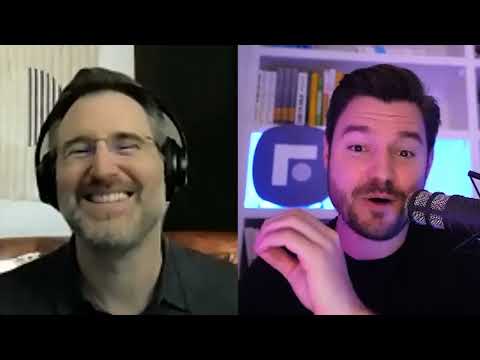
How Badger Maps Reached $6M ARR with 4,000 Customers Fully Bootstrapped (Interview with CEO Steve Benson)
- Interview Date
- November 7, 2023
- Interviewee
- Steve BensonFounder and CEO
Company Metrics at Interview Time
ARR (2023)
$6M
Customers (Logos) (2023)
4,000
Avg Seat Price (2023)
$55
Annual Growth (2023)
15%
Live Seats (2023)
8,000
Historical Snapshot
These numbers were reported by Steve Benson during his interview with Nathan Latka in November 2023 and are a historical snapshot, not current figures. See Badger Maps’s current numbers.
Key Takeaways
- 01Badger Maps reached $6M in ARR in 2023, up from bootstrapped origins in 2012.
- 02The company serves just over 4,000 paying customer logos as of November 2023.
- 03Average seat price is $55 per month, with $49 for annual plans and $59 for month-to-month.
- 04There are approximately 8,000 live seats across the 4,000 customer companies.
- 05The company grew approximately 15% in 2023 and shrank 8% in 2020 during COVID.
- 06Badger Maps runs 5 full-time salespeople handling roughly 500 verified leads per week.
- 07The company uses debt financing via Founder Path and has taken approximately 6 to 7 draws.
- 08Salesforce AppExchange is the top integration partner for inbound leads.
- 09The Outside Sales Talk podcast targets the exact ideal customer profile of field salespeople.
- 10Badger Maps has been bootstrapped except for a small friends-and-family round roughly ten years before the interview.
Company Metrics at Time of Interview
| Metric | Value | Source |
|---|---|---|
| ARR (2023) | $6M | Founder interview, Nov 2023 |
| Customers (Logos) (2023) | 4,000 | Founder interview, Nov 2023 |
| Live Seats (2023) | 8,000 | Founder interview, Nov 2023 |
| Avg Seat Price (2023) | $55 | Founder interview, Nov 2023 |
| Annual Seat Price (2023) | $49 | Founder interview, Nov 2023 |
| Monthly Seat Price (month-to-month) (2023) | $59 | Founder interview, Nov 2023 |
| Annual Growth (2023) | 15% | Founder interview, Nov 2023 |
| Revenue Decline (COVID year) (2020) | -8% | Founder interview, Nov 2023 |
| Verified Leads per Week (2023) | 500 | Founder interview, Nov 2023 |
| Verified Leads per Month (2023) | 2,000 | Founder interview, Nov 2023 |
| Full-Time Sales Reps (2023) | 5 | Founder interview, Nov 2023 |
| Year Founded | 2012 | Founder interview, Nov 2023 |
| Debt Draws Taken (Founder Path) (2023) | 6 to 7 | Founder interview, Nov 2023 |
Growth Breakdown
Revenue
Badger Maps reported $6M in ARR in November 2023, growing approximately 15% that year. Steve Benson noted the business had grown faster the prior year, around 9%, off a smaller base, and that a single large deal in the prior year had a notable impact on the numbers.
Customers and Seats
The company had just over 4,000 paying customer logos as of the interview, with approximately 8,000 live seats across those accounts. The average revenue per logo works out to roughly $121 per month, consistent with two to three seats per company at the $55 average seat price.
Team
Badger Maps runs 5 full-time salespeople and a customer success and deployment team. A support team in the Philippines handles single-seat inbound deals, while the core team focuses on multi-seat and longer sales-cycle opportunities.
Funding and Capitalization
The company has been bootstrapped since its founding in 2012, aside from a small friends-and-family round approximately ten years before the interview. Badger Maps has used debt financing from several providers over the years and currently uses Founder Path, from which Steve Benson has taken approximately 6 to 7 draws.
Growth Strategy
Niche Podcast as a Lead Channel
Steve Benson launched the Outside Sales Talk podcast specifically targeting field and outside salespeople, the exact ideal customer profile for Badger Maps. Rather than chasing download volume, the goal was to create a highly relevant resource for potential buyers, turning listeners into qualified leads.
CRM Integration Marketplaces
Badger Maps integrates with Salesforce, HubSpot, Microsoft Dynamics, Zoho, and other CRMs, and lists on their app exchanges. Salesforce AppExchange is the top source of inbound leads because Salesforce buyers signal willingness to spend on add-on tools for their field teams.
Debt Financing to Preserve Equity
Rather than raising venture capital, Steve Benson used revenue-based debt financing to fund growth, preserving full equity. He specifically favored debt providers that do not require warrants, keeping the cost of capital predictable and avoiding dilution.
Customer Success Bundled with Deployment
Badger Maps combined its customer success and deployment functions into a single team, reducing overhead while ensuring customers get up and running quickly. More complex CRM deployments are handled by specialists within that team.
Segmented Sales Motion by Deal Size
The sales team routes single-seat inbound deals to a Philippines-based support team, while the five core salespeople focus on multi-seat team deals with longer sales cycles. This segmentation keeps the cost of sales low on small deals while giving enterprise-style attention to larger opportunities.
Best Quotes
“It was SaaS company, then then podcast, and then university.”
“We don't have to have a huge podcast. You have to have a podcast that is very specifically valuable in some way to a very specific group of people, your ideal customer profile.”
“If 300 people are listening to your podcast, but there are 300 people that are your ideal customer profile who each pay you a $100 a year, that's amazing.”
“Today, we're at 6,000,000 in ARR. We've capitalized the business. It's a bootstrapping to small a small friends and family around in about ten years ago. Other than that, it's been bootstrapped.”
“We did lose a lot of revenue, but we gained it all back. Not all of it, though. We still we shrunk about 8% in 2020 because as you say, it's a there it's a bad time to be meeting your customers face to face.”
“I think the average seat price is 55 ish bucks a month because there's it's it's 49 if you're buying annually. Yep. 59 if you're buying, month to month.”
“We have, just over 4,000 customers.”
“I think we're around 15% is where we'll come in for this year, but so it's but it's off a bigger number.”
“We just do the best we can. We sell as much software as we can. We treat our customers as well as we can to keep as many of them as we can.”
“I wish that I knew how much, how fun and interesting and how much you would learn from running your own things.”
What Happened Next
This interview captures Badger Maps at a specific moment in November 2023, when the company reported $6M in ARR, just over 4,000 customer logos, and approximately 15% annual growth. The figures here are what Steve Benson shared on camera that day and may not reflect the company's current performance. Visit the Badger Maps company profile on getLatka for the most up-to-date metrics and any subsequent funding or growth milestones.
View Badger Maps’s current profile and metricsFull Transcript
Chapters
- 0:00Introduction and Company Overview
- 1:11Order of Operations: SaaS, Podcast, University
- 1:58Why Steve Launched the Outside Sales Talk Podcast
- 2:00Advice for SaaS Founders on Niche Podcasting
- 3:29Revenue History and Where Badger Maps Stands Today
- 3:50Bootstrapping and Debt Financing Strategy
- 9:27COVID Impact and the 8% Revenue Decline in 2020
- 11:55Field Sales vs Field Service Use Cases
- 13:59CRM Integrations and Salesforce as Top Lead Source
- 15:27Paying Customers, Seats, and ARPU Breakdown
- 15:55Demos, Trials, and the Sales Team Structure
- 17:05Growth Rate and Business Predictability
- 18:20Founder Path Debt Financing Experience
- 21:10Famous Five: Books, Tools, and Life Lessons
- 23:03Closing Summary and Wrap-Up
Introduction and Company Overview
Nathan Latka
00:00You guys, badgermapping.com. Steve launched it back in 2011, 2012. They scaled to over 1,000,000 of revenue in 2017. Today, doing 6,000,000 of revenue because over 4,100 companies who have field sales teams, they have to drive a route, knock on doors, etcetera, Use Badger mapping to plan that route for efficiency, save on gas, get more done, close more sales. He's doing this, again, about 8,000 live seats on the platform. They're taking in and doing over 500 call
00:282,000 calls per month. They're getting leads from integration partners like Salesforce, and he's done all of this totally bootstrapped, which we love. Hey, folks. My guest today is Steve Benson. He's the founder and CEO of Badger Maps, the number one app in the App Store for outside and field salespeople to upgrade existing CRMs with mapping, routing, and scheduling. He's also the CEO of Badger Sales University and hosts the Outside Sales Talk podcast specifically for outside salespeople
00:54and is currently president of the sales hall of fame. Steve, you ready to take us to the top?
Steve Benson
00:59>> Absolutely.
Nathan Latka
01:01I wanna know order of operations on these things. Did you have the software company first and then you launched the university and then you launched the podcast, or was it podcast university SaaS? What was the order of operations?
Order of Operations: SaaS, Podcast, University
Steve Benson
01:11>> It was SaaS company, then then podcast, and then university.
Nathan Latka
01:17Okay. So you you had the SaaS company and said, you know what? I don't have to go raise a bunch of money. I need a moat. Let me go launch media, right, to get attention and get leads from. Was that sort of thinking?
Steve Benson
01:30>> Exactly. I mean, it's it's one of these classic micro niche podcasts. The the group of people that we sell to our ideal customer profile is a field salesperson, an outside salesperson, and the the name of the podcast is outside sales talk. So we have experts come on who are expert in experts in sales and teach what their areas of expertise through the lens of, knowing that the listeners are generally field salespeople and outside salespeople because that's
Why Steve Launched the Outside Sales Talk Podcast
Steve Benson
01:58>> who uses our product. Product.
Advice for SaaS Founders on Niche Podcasting
Nathan Latka
02:00Knowing what you know about your show, what would you tell SaaS founders who say, Nathan, how do I get as many downloads as possible on my show I'm looking to launch? How would you respond to that?
Steve Benson
02:12>> Well, I mean, we we can't all be as popular as you, for starters.
Nathan Latka
02:18Nope. I'm trying to give you the opportunity to talk about the importance of a niche small market, but they're all potential buyers of Badger Maps.
Steve Benson
02:26>> That's exactly what I was gonna say. We don't we don't have to be
Nathan Latka
02:30you
Steve Benson
02:31>> don't have to have a huge podcast. You you have to have a podcast that is very specifically valuable in some way to a very specific group of people, your ideal customer profile. And some people have larger TAMs than others, and so it can be more broadly applicable. But if 300 people are listening to your podcast, but there are 300 people that are your ideal customer profile who each pay you a $100 a year, that's amazing. So
02:56>> it it really it's less about, you know, being the most popular kid on the block and more about, have you created value for the the the same niche that that you sell your software to?
Nathan Latka
03:09Yep. You get the company going back, 2012, 2013. You break a million, 1,000,006 in revenue. You've been on the show a couple times in 2017. Scale to 3,000,000 in 2018. You scaled up from there to about $45,000,000 in 2022. Where's the company today? And and talk to us a little bit how you capitalize the business.
Revenue History and Where Badger Maps Stands Today
Steve Benson
03:29>> Today, we're at 6,000,000 in ARR. We've capitalized the business. It's a it's bootstrapping to small a small friends and family around in about ten years ago. Other than that, it's been bootstrapped. We've we've brought in, money from revenue from selling the product early on
Bootstrapping and Debt Financing Strategy
Nathan Latka
03:50Customer funded, baby. Let's go.
Steve Benson
03:53>> Customer funded. And and also while we use we've used debt over the years, we use debt from several providers and currently, as you know, we use Founder Path as our as our debt provider.
Nathan Latka
04:04Oh, what's going on there, YouTube? Good to see you guys. Now imagine this. You love watching these interviews with SaaS founders, but imagine if we took all of the valuation data out from over 2,807 interviews I've done manually. Saves you a lot of time. Well, we've done this. We've built it into the beautiful interface inside of founder path. Check this out. I'll show you how you can access this in a second, but you log in, you
04:27connect your Stripe account, you see your valuation real time. You can see what it changed over the past eighty eight days and even set goals for valuation this year. Now the secret evaluation is there's many different ways to value a SaaS business. So the reason you're gonna see three or four different valuations inside of your Founder Path dashboard, this is all free by the way, is because depending on who's doing the buying of your SaaS company,
04:51you're gonna get a different valuation. A VC is gonna pay a different valuation. Private equity firm is different. If you're gonna do a minority sale, that's different. And if you sell the whole business, that's a different valuation. You can see all those when I hover over here, Right? So the teal is what a VC would pay. Yellow is what private equity and red is if you sold the whole thing outright. Now what's cool about this is
05:13this is not built off random data. Again, you guys hear these interviews on YouTube. All these datas are built from real time valuation data points founders share with us on the show. So traction 1,200,000 seed round 3.7 raise. They sold 22 of their business. Go in here and filter by the event. Maybe you only wanna see companies that have sold the whole business. Well, here are a bunch that have been acquired, the valuation and the multiple.
05:38Maybe you're going out right now and you're raising your seed round. We'll go in here and look at all this recent seed deals that went down, what they raised, what valuation they raised at, and what percent that they sold. There's never been a larger dataset of SaaS valuations than what you can get now inside of Founder Path.
05:57And we're thrilled to bring it
05:58to you. Alright. We're gonna go back to the YouTube video here in a second, but if you wanna check this tool out, if you wanna jump in and sign up, you can check it out for free to get your valuation at this link. This link, founderpath.com/products/valuations. Or if you go to founderpath.com and hover over products, click on get your valuation here, and go ahead and sign up to give it a whirl. Again, all that valuation data
06:24live right inside the platform. I hope to see you there. Alright. Let's jump back into the interview. Steve and I lived together during COVID, and we're talking more and more about this idea that there needed to be sort of a revenue based fund that was built by an operator, not a private equity person, not a VC, like an operator who actually knows what founders need. Was He one of the big reasons I actually launched FounderPath. And,
06:45Steve, it's great to see the fast forward today. You know? $150,000,000 fund, a 160, founders using it. We're having a blast. So I appreciate the extra push on that. You are one really one of the early advocates of debt financing. Why is it so important to to you to keep equity?
Steve Benson
07:03>> Well, I mean, I I would I guess there's two answers to that. One, I I don't think that SaaS companies are always a good fit for for venture capital. And and and I'd say a lot more often than not, they're not a good fit for venture capital. There's so many small problems in the world that, don't aren't just just don't have the explosive growth that you need for to to really satisfy the venture model. And certainly
07:31>> certainly, I'm in one of those, and and I think a lot of SaaS companies are in in those. Venture needs very specific things to to make their their economics work.
07:41>> So debt's really a much better way to go, debt and bootstrapping, I think, many, many SaaS businesses. Not all, obviously, are SaaS businesses that start out, they seem small, but then they pivot a little bit or something happens, they become really big. Then they're, you know, they seemed niche, but they're actually not. There are some that you didn't think would win, but then when it's, they end up a lot bigger there. So there there's a lot
08:08>> of different situations you can find yourself in. So there certainly, there's lots of places venture is appropriate for, but there's also lots of places that venture would say, you guys are you know, you're you're growing a little too slowly or, the TAM's a little too smaller. This is this is not that this is not that interesting of a space for us or, oh, it's too crowded. There's a lot of reasons, right, that they could that they
08:27>> could not like something, but they could be a very attractive business with a that that have great economics for for founders, employees,
08:37>> but but it's not a good
Nathan Latka
08:39fit. I was I was joking. I call you a cockroach SaaS company. Right? Because you have the I mean, you know, obviously, everything on FounderPilot is confidential, so we can't talk about that here on the podcast unless you reveal it. But what I can say is, like, we have data that you've shared with us since 2015. And I have I don't I mean, I may be seen on a handful. Can count on one finger the consistent,
08:58like, clockwork growth month over month, every month for, like, almost ten years is just remarkable to me. And what's funny is and I think I told you this, but you literally sell a tool to people driving physical routes, right, to plan that route. Nobody was door knocking and delivering and touching hands in person during COVID, and I'm going, holy crap. I can't like, Steve's gonna have to pivot here. Someone's gonna have to change. You barely lost
09:23any revenue in '20 I mean, how did that even happen?
COVID Impact and the 8% Revenue Decline in 2020
Steve Benson
09:27>> Well so we we we did lose a lot of revenue, but we gained it all back. Not all of it, though. We still we shrunk about 8% in 2020 because as you say, it's a there it's a bad time to be meeting your customers face to face. And that's how most of our customers
09:44>> that's most of them do. We do have a field service side too that helped a lot during that period. And I think, you know, we lost we some industry What
Nathan Latka
09:52does that what does that do?
Steve Benson
09:54>> Field service, it it's it's basically people that go out and do something in the field. They they fix something. They adjust something. They meet with someone.
Nathan Latka
10:04And who's buying that? Like, utility companies, h HVAC, pool cleaners?
Steve Benson
10:08>> Yeah. Things like that. Exactly. People that have to go out to houses, people that have to go out to places of business and and inner interact with the stuff that's there somehow. But the key is for us is that it's not a perfect schedule. Like if you just had 20 customers and you, you know, we're going to two a day every in a ten day loop, you wouldn't have a mapping and routing problem, right? It's if
10:34>> you have to make decisions in the field or when you're preparing to go to the field about who you're gonna see, because you have 200 places you could be going and you have to choose which one's the most important. That's really where we come in. And that's whether you're a field salesperson or a field service person. The problem is very similar. It's a little more common, I think, on the sales side, and that's where you see
10:55>> more of our business. Know, because by nature, field salespeople, you know, are making decisions about where they're gonna allocate their time with which customers and with which prospects.
Nathan Latka
11:05Mhmm. You also have, I don't know that you'd call yourself, like, a great salesperson or marketing, but I think you're one of the best. And you don't have to look past the the the GIF you built, the animated GIF in your website header. Think it's I look at a lot of product demos. It's the most one of the most powerful I've seen because literally in a five second GIF, you understand exactly what Badger Maps does with
11:24your Lasso tool on the mobile app, and then boom, boom, boom. It lists the route, and it's just so clear and concise. Does it this must sell a lot of people.
Steve Benson
11:34>> It's a big big big update on that front, actually. We just updated it from, like, a iPhone. I don't know what it was. It was like a nine or something or an eight. I I don't know what it was. It was really old, and now it's now it's, like, the 14 to the 15. So that just happened last week.
Nathan Latka
11:49That's the big update.
Steve Benson
11:50>> Excited to check out the website. Brand new brand brand new iPhone behind the GIF.
Field Sales vs Field Service Use Cases
Nathan Latka
11:55That's amazing. I wanna talk a little about conversions. Right? So you have Get a Demo on Free Trial. How many new demos are you doing per month?
Steve Benson
12:02>> New demos, like, we we we count things either
12:09>> a first meeting or a or a or a signed up trial is is a, you know, verified lead. And we're doing about 500 a week, so 2,000 a month.
Nathan Latka
12:24Okay. How are you how many people are taking those 500 calls per week?
Steve Benson
12:31>> Good question. So on the state, we have we have five full time salespeople. And then as people have, as they get more into the product and wanna try it out and work with it, we we have a a customer success team that is also the deployment team. So we we bundled those two roles for the most part. There are are some people, a couple people that really specialize in the most complex deployments to, you know, complex
13:02>> CRM situations because
Nathan Latka
13:04How many on the
Steve Benson
13:05>> CS team?
13:08>> Eight, I'd say.
Nathan Latka
13:09Okay. Don't don't quote me on that. I'm if I'm forgetting
13:12That's okay. But you have eight there on the customer success team plus five on the sales. Right? So that's, you know, twelve, thirteen people there. Those people take 500 calls a week together.
Steve Benson
13:23>> Yeah.
Nathan Latka
13:24I see. Okay. And and all Which is about I mean, that's not a lot that's not nothing, Steve. I mean, that's, like, 40 calls per per per person per week.
Steve Benson
13:32>> Well, you know, there are we actually have some some more help for some of those because there's a team in The Philippines as well that, that that also takes, a lot of the calls that are single seat deals. So, a a we we kind of break people into, okay. There go there this is an end user who wants to buy one license versus this is a team that wants to you know, is gonna have a longer
13:55>> sales cycle, and it's someone making a decision for a group of people.
CRM Integrations and Salesforce as Top Lead Source
Nathan Latka
13:59Yep. Yep. Talk to me about integrations, Salesforce, Microsoft Dynamics, HubSpot, Zoho, etcetera. Is any one of these, like, the clear winner in terms of the leads they drive you per month?
Steve Benson
14:11>> Yeah. I'd say Salesforce is definitely the the largest in terms of, like, leads and people interested, which makes sense. Right? Like, I I think it's it's the a, the largest CRM, like, they have a bigger footprint, but they're also the one that by purchasing Salesforce, you are indicating that you are fine spending money on on these types of problems. So if you have, you know, we we integrate with Salesforce, we integrate with Zoho. The integrations are
14:40>> just as good. I don't have a horse in this game, but Zoho if someone who's purchased Zoho is is showing that they're more cost conscious, they're they're willing to take shortcuts, they want the cheaper thing. And so it it
14:55>> they're less likely to purchase add ons of this nature. So and that that's you know, we we bring routing and mapping to the CRM for the field team, it's it's very clear like, well, that you had your CRM, and this is like an extra thing that makes it useful in the field, makes makes helps you out, but it's it's, if you if it was already a heavy lift to buy a CRM, maybe you don't want add
15:19>> ons. You know?
Nathan Latka
15:20Yep. And and how many paying customers today when you add up all the leads you've gotten from all these integrations over the years?
Paying Customers, Seats, and ARPU Breakdown
Steve Benson
15:27>> We have, just over 4,000 customers.
Nathan Latka
15:31Wow. Okay. And I see on Salesforce AppExchange, the starting seat price is $49 a month. Is it fair to say those 4,100 customers pay on average about $440 a month?
Steve Benson
15:43>> I'd say it's I think the average seat price is 55 ish bucks a month because there's it's it's 49 if you're buying annually. Yep. 59 if you're buying, month to month.
Demos, Trials, and the Sales Team Structure
Nathan Latka
15:55But those 4,100 customers you gave me, those weren't seats. Those weren't companies. Right? So how many seats do those 4,100 companies pay for?
Steve Benson
16:03>> Oh, yeah. Those are companies. Those are logos, not, not licenses. Licenses, I'd have to do the math on this, but I think it's around, 8,000 ish. I mean, well, I mean, I guess you can just divide.
Nathan Latka
16:17Yeah. I did 6,000,000 divided by 4,100 logos divided by twelve months. Each each company is paying about a $121 per month, which would be equivalent to two and a half to three seats.
Steve Benson
16:28>> Yeah. That that makes sense. Two seats. Yeah. That that that that makes sense. And then, and and total number of licenses is, you could just divide the 6,000,000 by 12 and then by 55, and that's gonna give you a good feel for the total number of licenses.
Nathan Latka
16:44Are you like a a master genius behind the scenes? You know exactly what levers to pull, that's why your badger option is so predictable in terms of growth? Or would you say it's like accent you've stumbled into it? And my my next question is, have you tried to just say, hey. Let me see if I can actually grow 30%, you know, this quarter versus the consistent, you know, five five, 10% you always do?
Growth Rate and Business Predictability
Steve Benson
17:05>> I mean, you know, we're we're we're not as stable as you make us up to the other. We grew more last year than this year. We grew, 20 like, 9% last year. I think we're around 15% is where we'll come in for this year, but so it's but it's off a bigger number and we we we did a really one really nice big deal last year as you know. So kind of screwed up the numbers, but
17:26>> in a good way. But I wouldn't say wouldn't no, I wouldn't say I'm a master genius. Don't value predictability. I wouldn't say
17:37>> It's you know, we we just do the best we can. We sell as much software as we can. We treat our customers as well as we can to keep as many of them as we can. And I think it's it's just, a lot of them pay month to month. And so even when we get a decent sized new deal, it doesn't really move the revenue needle. So everything kinda it ends up from an MRR perspective being
17:58>> a very smooth business this whole time.
Nathan Latka
18:02I love that. Before we wrap up, you've taken capital a couple times from Founder Path. We're obviously friends, so it's gonna be hard for you to give an unbiased opinion here, but I would push you to try and be as unbiased as possible. You work with a lot of sort of capital providers like Founder Path. Where do where are we very different or very similar to other providers you've worked with?
Founder Path Debt Financing Experience
Steve Benson
18:20>> Well, I'd I'd say that there are there are 10 ish SaaS focused, providers. Some I I the first break I I put first lens I look through is do they want an equity kicker or do they not? Do they want warrants or not? And so, you know, the trade off being there, often, if you're doing well, that ends up being a much more expensive debt. You don't do well, then that ends up being cheaper debt because
18:48>> the the exchange in exchange for the warrants, you don't you you pay a much lower, APR. But there if you do well, then it becomes much, much more expensive. So for me, the warrant route has never been a good one. So I've kind of stepped on the side of the SaaS debt providers that don't ask for warrants.
19:12>> I guess the positioning that I would say, if I were gonna describe Foundepath's position, would say, well, it's very quick. Because of the way that Foundepath has leveraged technology to kind of get insights into the business, like, obviously, you're a data a guy and a numbers guy. You you guys are able to through integrations with my existing infrastructure, you know, I use ProfitWell. I I you I use QuickBooks. You've integrated my bank account, like you very
19:42>> quickly, you're able to understand exactly what's going on the business and make decisions around how much capital and you've made it very easy to re up over the years in terms of, you know, extending, you know, when extending, like, small amounts of additional capital based on our we've okay. Last six months, we've grown this much this much and see if unlocked this much new capital.
20:09>> That's not necessarily how it works with all the debt providers. It's much more like you did this deal and and then you kind of pay it down over time and then you do another deal and it kinda so it's a little more spiky, whereas I think, you know, you you've been much more like a heartbeat than than the spikes. So I guess those are those are
Nathan Latka
20:28two Do you remember do you know when you took do you remember the year you took your first draw and how many draws you've taken?
Steve Benson
20:34>> I I think I did my first debt deal in 2016, 2015 in in SaaS from a and that obviously wasn't from you guys because you weren't doing anything. So I I refinanced that provider with another provider that was a bit cheaper, a bit more leverage in the business, and then I had them for several years. I think I did my first draw with you, I would guess, in twenty twenty ish.
Nathan Latka
21:04Yep. And and you know remember how many you've you've taken? Just ballpark.
Famous Five: Books, Tools, and Life Lessons
Steve Benson
21:10>> I think six or seven.
Nathan Latka
21:12Yep. We try and make that easy. You know? We don't wanna have it be a a two month process or even a month or even a week, a long process every time people request capital. So, no, Steve, we we we love working with you. We love watching your growth. Let's wrap up here with the famous five. Number one, your favorite business book.
Steve Benson
21:28>> Favorite business book. I'd go,
21:34>> impossible to inevitable was probably the one that was most I I didn't I didn't read it in business school because it wasn't out yet, but but in terms of the most impact on on running a SaaS business, I'd say that was the one that didn't.
21:47>> Nope.
Nathan Latka
21:48And number two, is there a CEO you're following or studying?
Steve Benson
21:53>> A CEO that I follow or study. I I think I just I study you, mate. I just
21:59>> I hope you like what you find, buddy.
Nathan Latka
22:01Number three, what's your favorite online tool for building Badger maps?
Steve Benson
22:05>> Favorite online tool? I mean, it that's an easy one. It's it's gotta be the the the Google Suite. I forget. They've they've changed the brand 17 times. I don't know what they would call it now, but Gmail and and and Docs.
Nathan Latka
22:20Number four. How many hours of sleep do you get every night with with the new one? And I she's gotta be a year over a year old now at this point, two, three years old. Right?
Steve Benson
22:27>> She is she's actually 19. So she's Yep. She's she can sleep till the through the night if she wants to, or she can choose to torture me way even more more so than she could have a year ago. But, no, I I I tend to to get a decent amount of sleep probably around six and a half to seven and a half hours depending on the night.
Nathan Latka
22:49Alright. So married, one kiddo, and Steve, how old are you?
Steve Benson
22:53>> I am 45 for two more months.
Nathan Latka
22:56Alright. Well, happy happy early birthday, man. Take us home here. Something you wish you knew when you were 20 years old.
Closing Summary and Wrap-Up
Steve Benson
23:03>> When I was 20 years old, I I wish that I knew how much, how fun and interesting and how much you would learn from running your own things. I worked at a lot of big companies, IBM, Autonomy, which is part of HP now, and Google. And so and Allstate Insurance was my first job out of college. And so so I spent, you know, a a a good chunk of my career at very large companies. I I
23:29>> think I would have gotten I would have learned more faster if I had worked at smaller companies just because of the exposure. I I remember I counted 17 layers between me and the the CEO of IBM. So I mean, that's that's pretty removed.
Nathan Latka
23:42You guys, badgermapping.com. Steve launched it back in 2011, 2012. They scaled to over 1,000,000 of revenue in 2017. Today, doing 6,000,000 of revenue because over 4,100 companies who have field sales teams, they have to drive a route, knock on doors, etcetera, use Badger mapping to plan that route for efficiency, save on gas, get more done, close more sales. He's doing this, again, about 8,000 live seats on the platform. They're taking in and doing over 500 call
24:102,000 calls per month. They're getting leads from integration partners like Salesforce, and he's done all of this totally bootstrapped, which we love. Steve, thanks for taking us to the top.
Steve Benson
24:19>> Thanks for having me.
Nathan Latka
24:21One more thing before you go. We have a brand new show every Thursday at 1PM central. It's called Shark Tank for SaaS. We call it deal or bust. One founder comes on, three hungry buyers, they try and do a deal live and the founder shares back end dashboards, their expenses, their revenue, ARPU CAC, LTV, you name it, they share it and the buyers try and make a deal live. It is fun to watch every Thursday, 1PM
24:46Central. Additionally, remember these recorded founder interviews go live. We release them here on YouTube every day at 2PM Central. To make sure you don't miss any of that, make sure you click the subscribe button below here on YouTube, the big red button and then click the little bell notification to make sure you get notifications when we do go live. I wouldn't want you to miss breaking news in the SaaS world, whether it's an acquisition, a big
25:09fundraise, a big sale, a big profitability statement or something else. I don't want you to miss it. Additionally, if you wanna take this conversation deeper and further, we have by far the largest private Slack community for B2B SaaS founders. You want to get in there. We've probably talked about your tool if you're running a company or your firm if you're investing. You can go in there and quickly search and see what people are saying. Sign up
25:31for that at nathanlakka.com/slack. In the meantime, I'm hanging out with you here on YouTube. I'll be in the comments for the next thirty minutes. Feel free to let me know what you thought about this episode and if you enjoyed it, click the thumbs up. We get a lot of haters that are mad at how aggressive I am on these shows, but I do it so that we can all learn. We have to counter those people. We
25:50got to push them away. Click the thumbs up below to counter them and know that I appreciate your guys'support. All right. I'll be in the comments. See you.