Expensify Revenue: How David Barrett Built to $100M+ ARR With No Sales Commissions and No Ads
Expensify broke every growth rule at once: a fake product that became real, a janitor-first sales motion, zero advertising, zero commissions — and it worked all the way through an IPO. The tape where Barrett explained it, and the decade of numbers since.
On this page
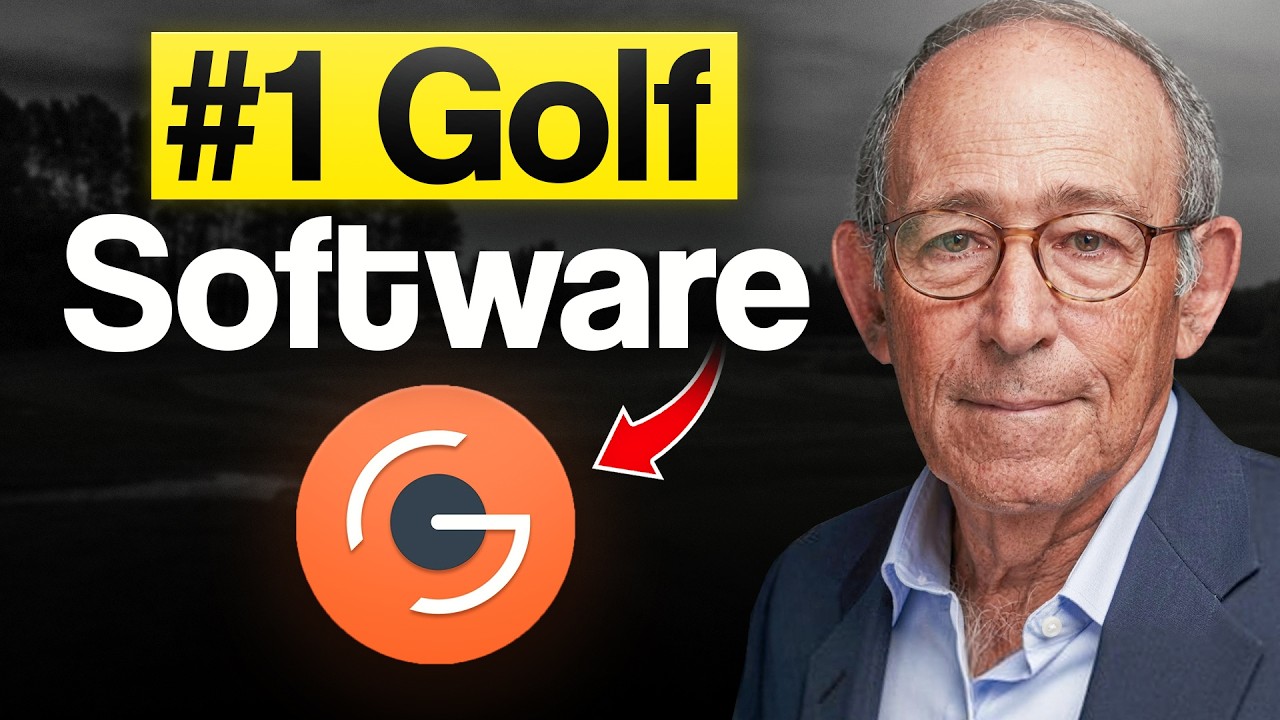
Expensify began as a lie. David Barrett wanted to launch a prepaid debit card and the banks wouldn’t touch it — too risky — so he needed something boring to get in the door. “Where’s the most boring thing I can think of? Oh my god, expense reports.” The expense product was “a fake product that I was just making up” — a Trojan horse. Then everyone who saw the pitch said the same thing: forget the cards, the expense app is amazing. “Well, maybe we should do that.”
By December 2017, when Barrett sat down with Nathan for the third time — unshaven, un-media-trained, visibly not caring — the accidental product was serving 45,000 paying companies, “more companies than the next four expense reporting companies” combined, at revenue “still under $100M” but closing fast, growing somewhere between 50% and 100% a year. The GetLatka dataset pins that moment at $60M.
The janitor-first go-to-market
Everything about Expensify’s growth model was upside down relative to enterprise software orthodoxy, and deliberately so. The buyer wasn’t the CFO; it was whoever hated expense reports most. “We acquire the individual first… the end user is our champion. They’re the person who pulls us into the organization.” A consumer-grade app — photograph the receipt, get reimbursed the next day — spreads from the janitor to Sally at the desk to the whole company, until someone upgrades to a team plan at about $9 per active seat.
Active is the operative word. Expensify’s activity-based pricing — “we only get paid when you get active” — means idle licenses cost nothing, which removes the one fear that slows bottom-up deployment. (We put this in context with other pricing value metrics here.) Around the motion, Barrett deleted the standard cost structure entirely:
“We have no advertising going on whatsoever… Every business you cared about was built through word of mouth. But no one talks about that because it’s not fundable with capital — VCs don’t care about word of mouth because it’s not their business model.”
Support teams help companies onboard — “it’s certainly not no-touch” — but nobody at Expensify is paid a commission: “The lack of commish is what destroys everything,” he said, meaning the misaligned incentives it breeds. A hundred and ten employees ran the whole thing.
On venture capital
“To celebrate raising money is to celebrate that you took out a loan”
Expensify had raised about $27M by the interview — roughly $38M lifetime once a later 2018 round landed, per our dataset — and had been profitable for years. Barrett’s view of venture capital was the tape’s running theme, delivered without heat, like a man describing weather:
- Raising money is a loan — against your company’s future.
- The VC’s job and the founder’s job — different jobs.
- The era’s me-too startups that raised late — “are all gone.”
His parting advice to his 20-year-old self compressed it to three words: “Stop listening to VCs.”
The strategic choice underneath: while every competitor chased the enterprise, Barrett re-aimed at SMB and mid-market — “enterprise sucks, man… super slow sales cycles, the margins are terrible” — and described riding a “second S-curve” of accelerating revenue as the product got easier for small businesses. Keep the price low, keep the volume enormous: “I’m much more focused on massive scale than trying to squeeze harder.”
The decade of receipts
The slug on this page promises $100M ARR, and the promise was kept — with an arc worth reading honestly. From the GetLatka dataset:
| Year | Revenue | Team |
|---|---|---|
| 2017 | $60M | 110 |
| 2019 | $80M | 146 |
| 2020 | $88M | 130 |
| 2021 | $143M | 203 |
| 2022 | $169M | 230 |
| 2023 | $150.7M | 246 |
| 2024 | $134M | 246 |
Expensify crossed $100M in 2021 and went public on Nasdaq that November — a bottom-up, no-sales-team company IPO’ing on word of mouth, the thesis vindicated in full. Then the after-story: revenue peaked at $169M in 2022 and has slid since, as the travel-and-expense category consolidated around better-funded rivals bundling cards, payments and expense in one stack.
Both halves of the lesson: the model that made Expensify unkillable as a challenger — tiny team, low price, organic-only — gives it fewer levers now that it’s the incumbent being attacked.
Current figures live on Expensify’s GetLatka profile; the full December 2017 conversation is here. And the closing exchange still holds up: asked to show his office, Barrett panned the camera past his wife’s opera scores and a rented kids’ gymnastics bus from his daughter’s birthday party — the least corporate founder in the archive, running one of its most disciplined companies.
SourcesNathan’s December 2017 interview with David Barrett; GetLatka dataset rows through 2024.