This URL once hosted a December 2019 AMA with Brianne Kimmel. The original text was lost, so this page now carries a sourced profile instead: her Zendesk years, the $5M debut fund, the Webflow and Hopin bets, and what her public writing tells founders who want to pitch her.
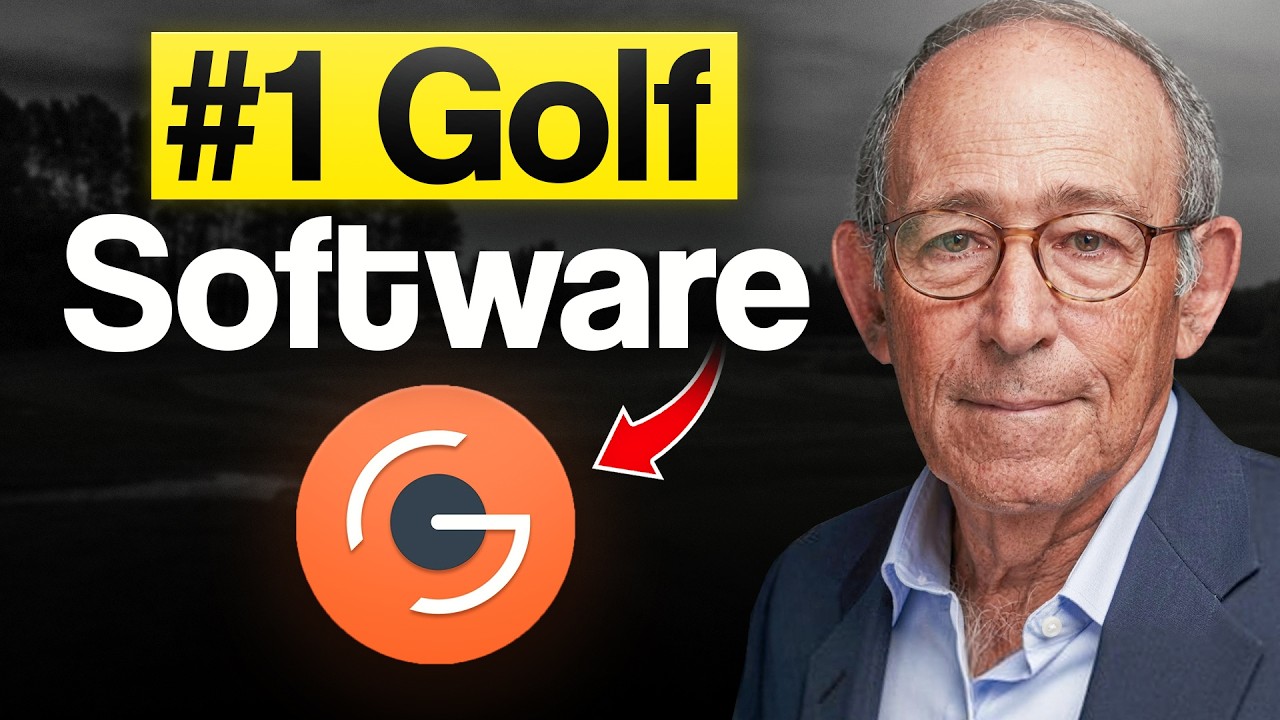
Mike Zisman took Golf Genius from $1 million in 2017 to about $53 million in 2025 with only $11 million raised. The $60 million in the headline is the 2026 plan, not booked revenue — here is what the tape actually supports.
Owner.com's sales team had a gong, and in 2022 it was getting hit constantly — while 30% of new customers churned inside ninety days. Kyle Norton's fix started with making the growth number go down on purpose.
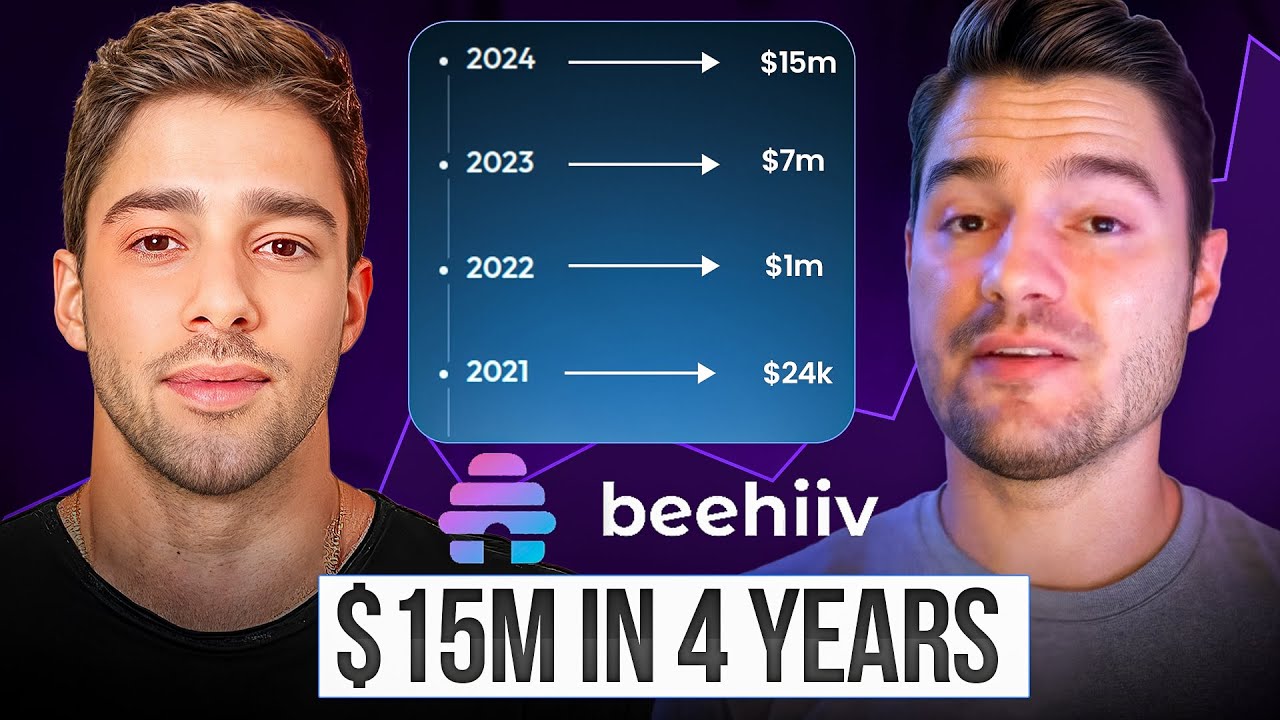
A newsletter with ten subscribers — “your mom and your siblings” — can earn money on beehiiv from day one. Tyler Denk explains the sequencing bet behind that trick, with the revenue numbers to show it worked.
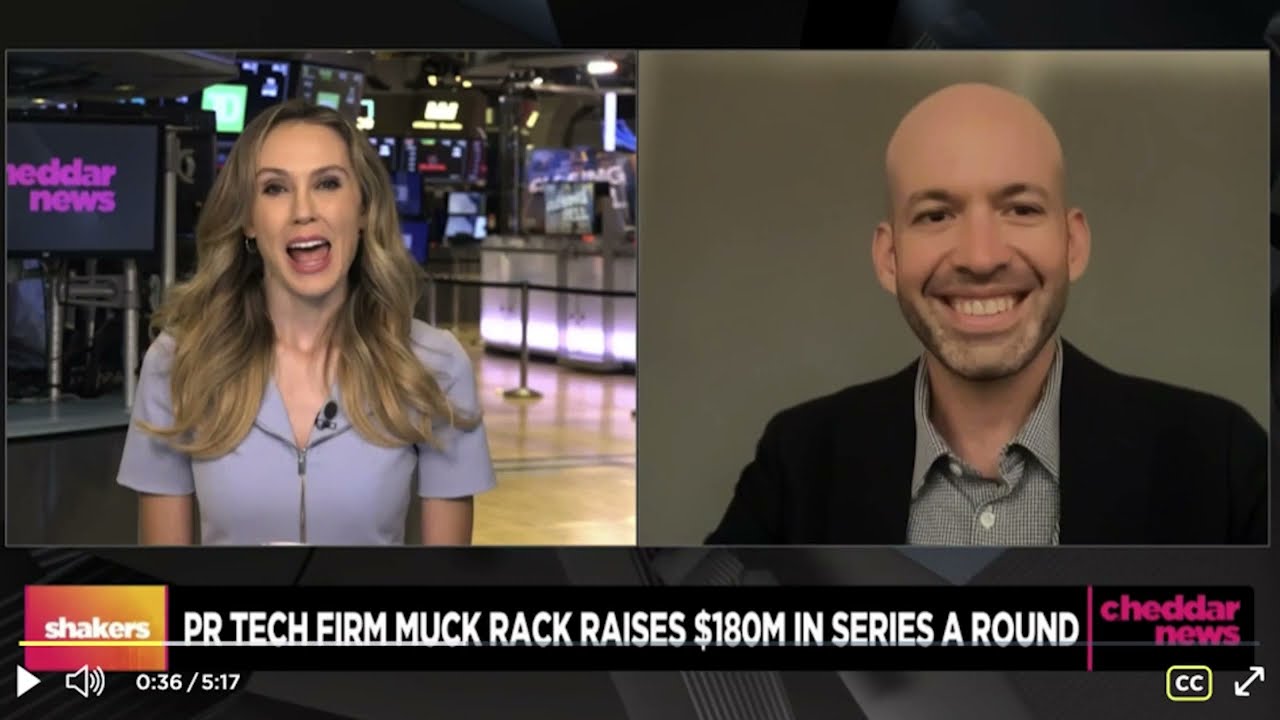
For thirteen years, investors told Muck Rack CEO Gregory Galant he was an idiot for growing profitably instead of raising. Then the market flipped, and the $8-domain company took a $180 million round at $50 million ARR — on its own terms.
Numerator collected about one of every 500 US grocery receipts and sold the picture to P&G, Coke and Nestlé. In November 2018 its CEO, Dennis Moore, expected about $130M of revenue that year across roughly 12 acquired companies, and walked through the first two changes after Vista bought it.
In November 2018, mParticle was earning $3 million a month from just 150 enterprise customers with 150% net revenue retention. Michael Katz explained the pricing meter behind it — and six years later, Rokt bought the company.
James Isilay knew nothing about B2B sales intelligence when he started Cognism. His answer at every revenue threshold up to $71M ARR was the same one he used on his first two bad hires — find someone who had already done it, and put them in the room.
Before WorkBoard, Deidre Paknad spent seven years turning around PSS Systems, which had raised $60M with nothing to sell. By 2018 WorkBoard had about 50 enterprise customers at a $125K average ACV, won on one rule: sell the alignment before the tool.
The swag industry fell 20–40% in 2020. Swag.com doubled — because Jeremy Parker had built remote-distribution infrastructure three years before anyone needed it. The whole story runs on curation: 300 SKUs, one perfect domain, under $4M raised.
In November 2018, Bynder founder Chris Hall told Latka the DAM company had gone from $19M ARR in January to roughly $4M a month in revenue. Here are the numbers as he actually gave them — including where GetLatka's own database gets the interview date and the CEO wrong.
In March 2020, days before announcing a $100M round from Insight Partners, Andy MacMillan said UserTesting’s growth had sped up from about 25% to about 40%, and forecast crossing $100M ARR around mid-year. Its 10-K later put 2020 revenue at $102.2M.
Three acquirers came knocking at once, a growth round was forming — and Chris Savage realized the company he'd rebuild after selling Wistia was Wistia. So he borrowed $17.3M, tendered his investors at 20x, and turned profit into the strategy.
In July 2019 Kyle Porter put Salesloft at about $50M ARR, doubling with 120% net revenue retention, after he cancelled a $7M data product to build it. He forecast $100M for 2020. The company passed $100M ARR in early summer 2021, months before Vista took a majority stake at $2.3B.
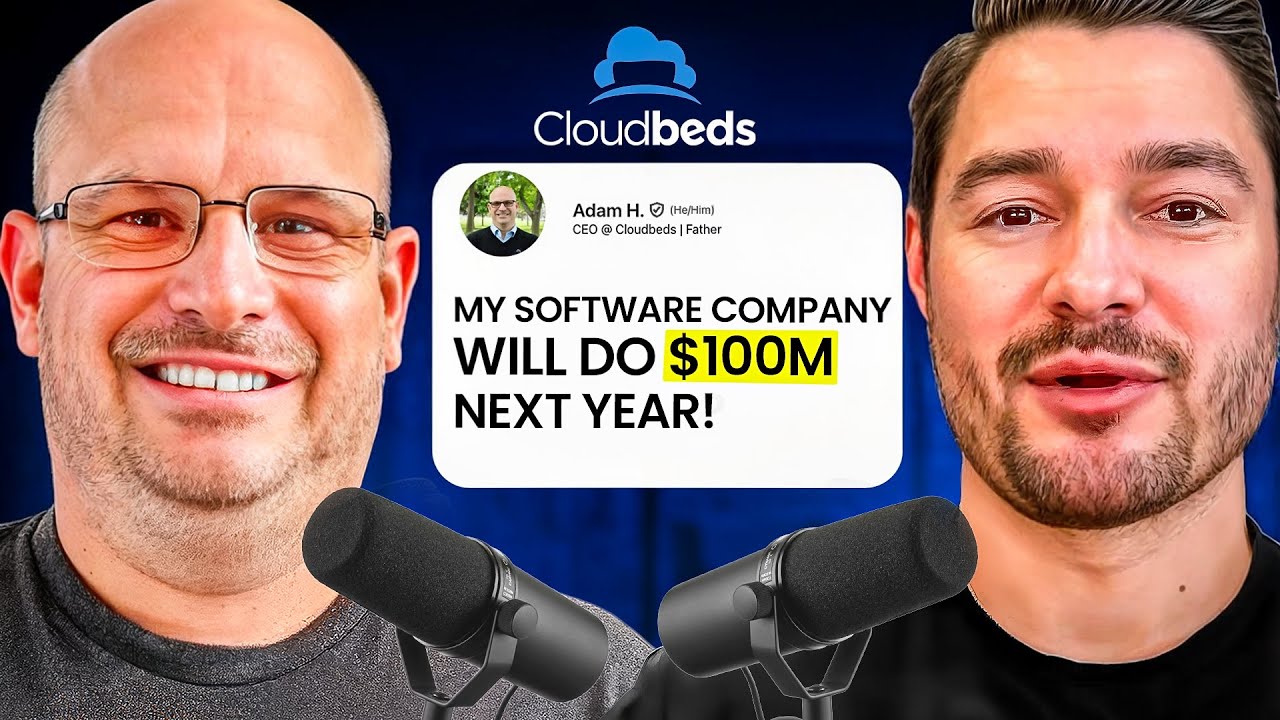
Cloudbeds grew from $10M to $50M+ by consolidating the 18 systems a hotel runs on. The next act, Adam Harris explained on tape, is the money itself: payments, direct bookings at a sub-5% take, and a $87B intermediary-fee pool to raid.
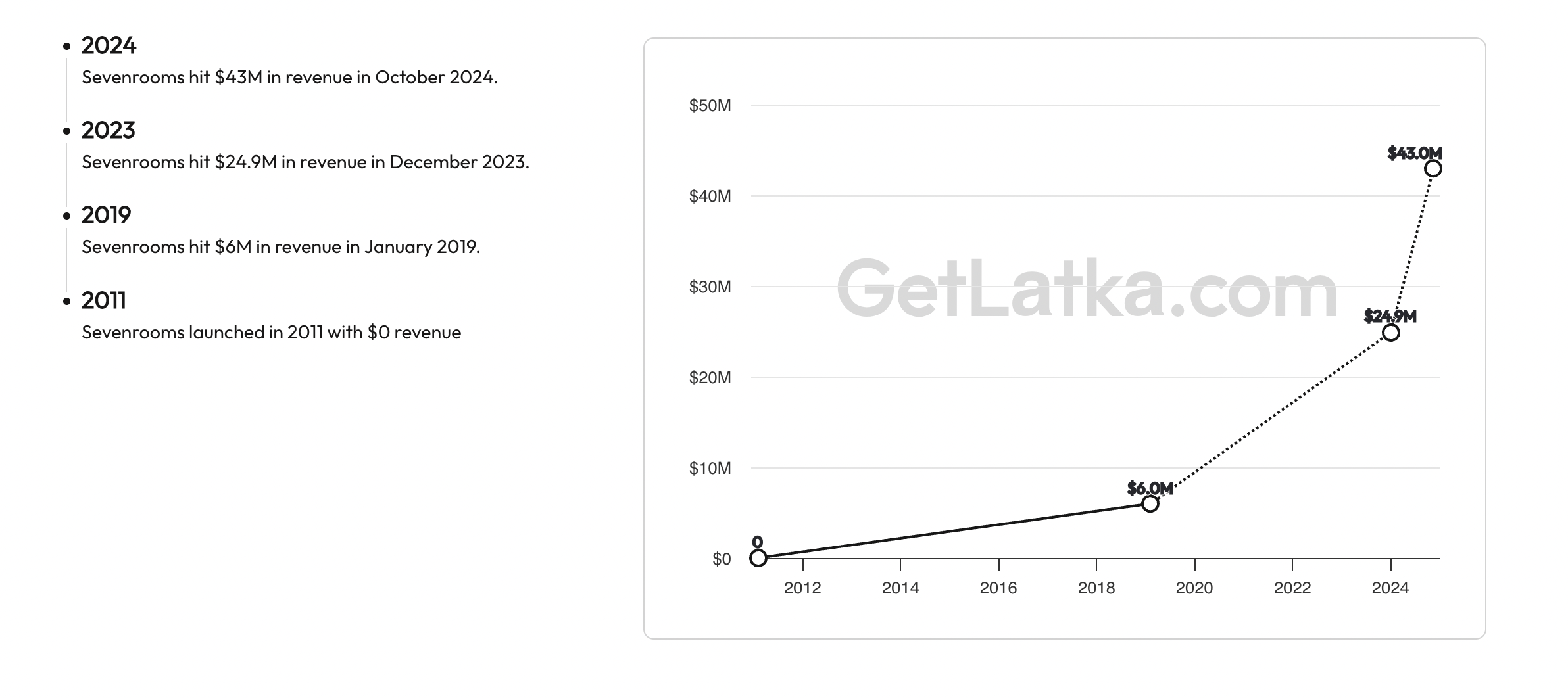
In October 2018, SevenRooms co-founder and CTO Kinesh Patel confirmed to Latka a revenue floor north of $500K MRR — not the $10M ARR our old headline claimed. Here's what the tape actually says, and how the story ended in a $1.2B DoorDash acquisition.
Four founders, equal equity, a site launched in 14 days — and by month seven, $8M a month in revenue on a 2% take of $400M in NFT trading volume. Jack Lu's May 2022 interview is a time capsule of the fastest revenue ramp we've ever recorded.
Igor Marinelli told Latka in December 2021 that Tractian had just hit $100K MRR — 10x in a year — on a $45-per-sensor model. Here's the real math behind the $1M milestone, and the roughly $200M in funding that followed.
Expensify broke every growth rule at once: a fake product that became real, a janitor-first sales motion, zero advertising, zero commissions — and it worked all the way through an IPO. The tape where Barrett explained it, and the decade of numbers since.
Search-as-an-API sounds like a product story. Algolia’s growth was really an organizational bet: no dedicated support team in the early years, engineers answering customers directly, and a two-motion model in which 5% of customers brought about 80% of revenue.
Sondre Rasch helped build Norway's social safety net, then noticed the internet's labor market didn't have one. By April 2023 SafetyWing was at a $24M run rate, doubling yearly — and Rasch disclosed his Series B valuation on the tape for the first time anywhere.
A services firm in Ghent built an iPad app for one client's trade-show booth and noticed every company had the same content chaos. Pieterjan Bouten turned that observation into $30M of ARR at 130% net retention — and explained the quota math on tape.
Three co-founders, $2.9M raised in 2013, and then nothing — just customer revenue compounding 100% a year until Webflow passed $14M ARR with 65 people. Vlad Magdalin's 2018 interview is the cleanest bootstrapper's blueprint in our archive, with a twist ending.
Eric Min never told Latka Zwift's revenue. Here is what the March 2017 tape actually supports — 300,000 accounts, $10 a month, 95% organic growth — and how the community thesis played out through the $450M KKR round.
By late 2017, Scribd had 500,000 subscribers paying $9 a month — roughly $54 million in ARR — and was profitable. What Trip Adler told Latka about the SEO flywheel and publisher deals behind it, and where the record disagrees with our own database.
Jumio’s US business filed for Chapter 11 in March 2016, and Centana Growth Partners bought its assets that May. In a 2017 interview, CEO Stephen Stuut put last quarter’s revenue 47% above the same quarter a year earlier, said Jumio had just crossed 150,000 verifications in a single day, and walked through its hybrid computer vision, prepaid contracts and land-grab strategy.
Manny Medina managed Outreach by inputs — bookings per quarter, seats active daily, payback months — and let ARR take care of itself. The 2019 tape where he opened the machine, and where the machine went: $4.4B valuation, ~$300M revenue.
Scribd solved the hardest problem in consumer subscriptions — acquisition cost — by building the audience first and the business model second. Trip Adler explained the whole machine on tape at 500K subscribers; the million came right on schedule.
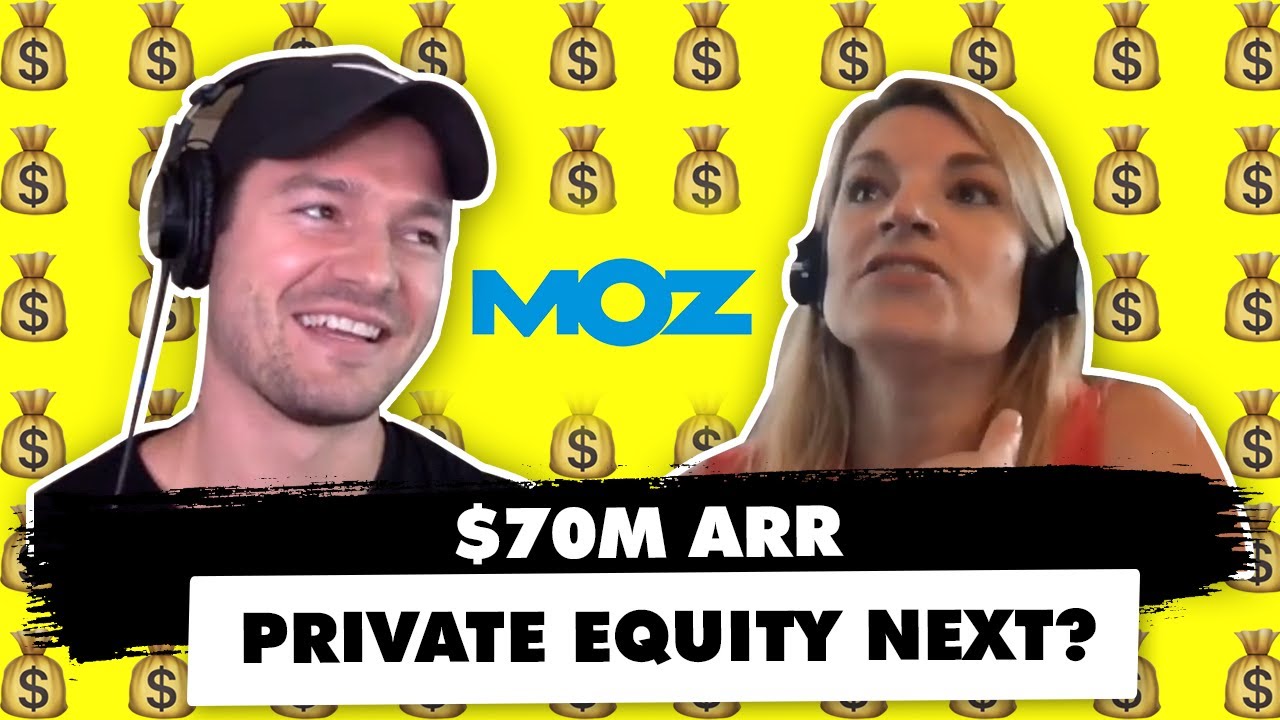
The question in this post's title was live when Sarah Bird sat down in 2019 — cash-flowing, growth slowing, PE circling. She answered it with unusual candor, and history answered it completely: Moz sold in 2021. Here's the machine that got bought.
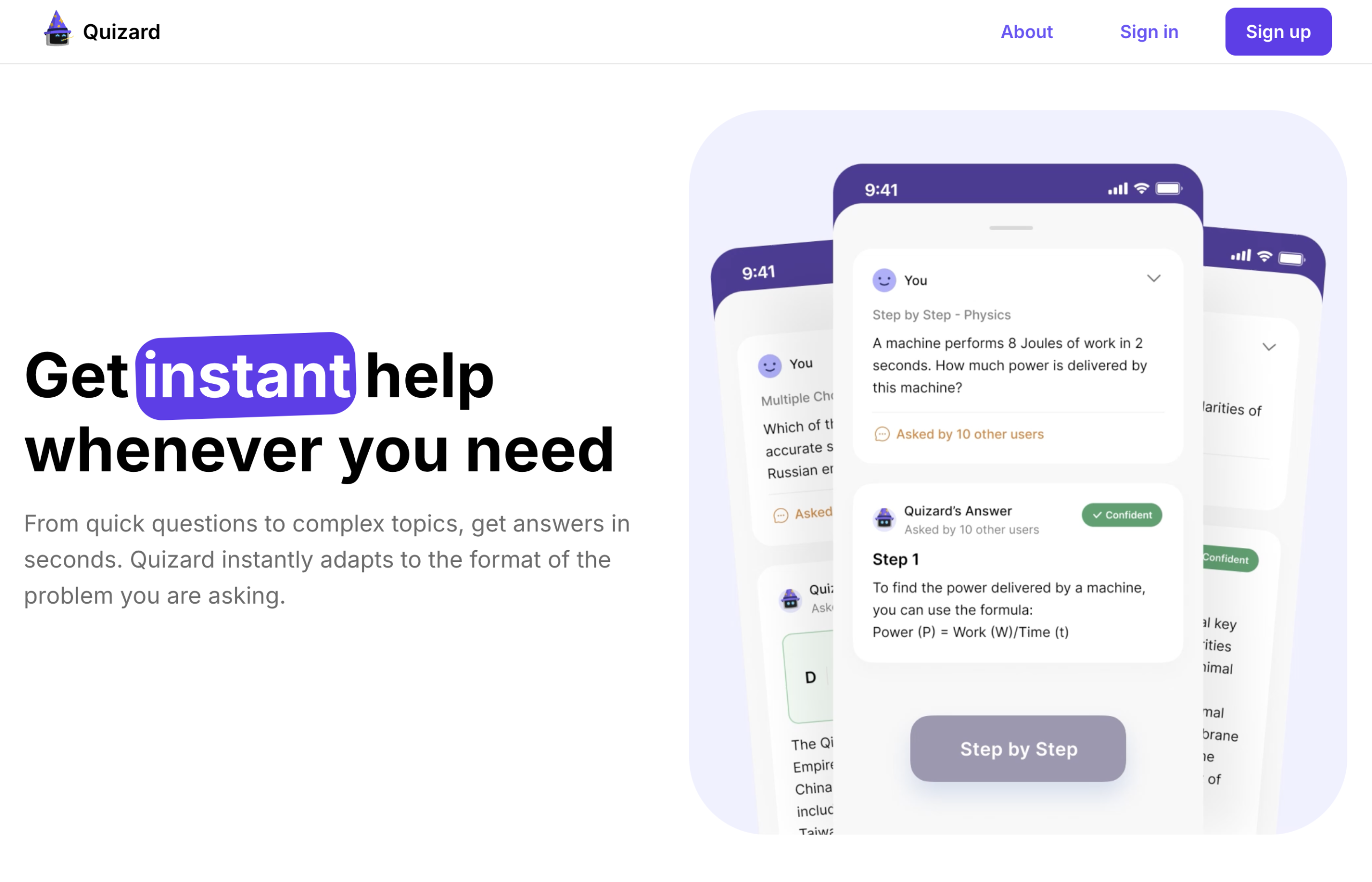
Oleve was doing $6M ARR — about $500K a month — with six people when co-founder Sid Bendre taped with Latka in mid-2025. Here is the dated record behind the Quizard AI studio, and where the numbers disagree.
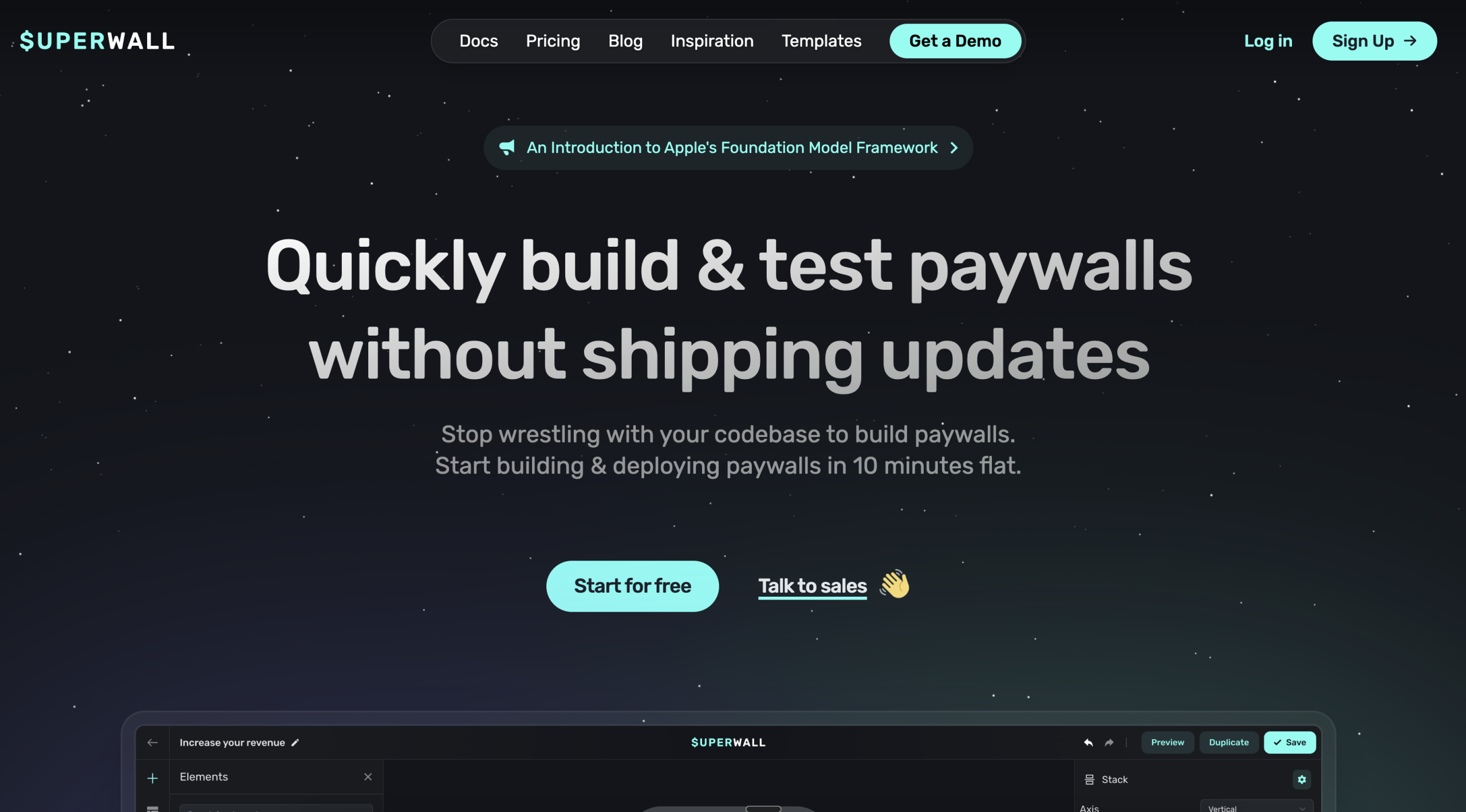
Jake Mor told Nathan Latka in June 2025 that Superwall had reached $3.6M ARR with 12 people. Ten months later he posted roughly $8.2M. Here is the dated record — and where the numbers disagree.
Submagic co-founder and CEO David Zitoun told Latka in June 2025 the AI video tool had reached $8M ARR with 13 people and no funding — two years, not three, after its first customer. Here are the numbers that check out, and the ones we corrected.
Salad pays gamers for idle GPU time, takes a 23% margin on rewards, and mined web3 protocols to solve the two-sided market problem. Bob Miles walked through the whole machine — mid-raise, at a $70M valuation, on a $5M run rate.
AI-Powered SaaS Search
Try these AI-powered queries:
Growth tactic weekly
Steal the Growth Tactics That Took These Startups from $0 to $50M
Each Tuesday, we reverse-engineer a real SaaS company's revenue, profit, CAC, funnels, and its top growth tactic.