
Founder Interview
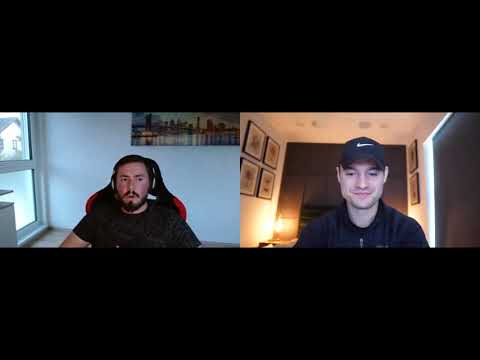
How seriouscode GmbH Is Building Snappify and a Web Agency Business From Scratch (Interview with Dominik Sumer)
- Interview Date
- June 9, 2021
- Interviewee
- Dominik SumerCo-Founder
Company Metrics at Interview Time
Hourly Rate (starting) (June 2021)
€100 per hour
TrueQ Total Spend
About $500
Equity Split
50/50
Historical Snapshot
These figures were reported by Dominik Sumer during the interview recorded in June 2021 and represent a historical snapshot, not current company data. See seriouscode GmbH’s current numbers.
Key Takeaways
- 01seriouscode GmbH was founded approximately two months before the June 2021 interview
- 02The company operates as both a web agency and an internal product studio
- 03Snappify is a developer tool for creating shareable code snippet images
- 04Dominik and his co-founder each hold 50% equity in the company
- 05Snappify reached about 200 weekly users, most of them from Twitter and the build-in-public community
- 06Their previous product TrueQ cost roughly $500 and six months of evenings and weekends before they deprioritized it
- 07The company is fully bootstrapped with no outside investment
- 08Dominik and his co-founder both have approximately seven years of professional web development experience
- 09They quit their full-time jobs only after landing their first client contract for seriouscode
- 10At the time of the interview, Dominik was 28, married, and had a seven-month-old child
Company Metrics at Time of Interview
| Metric | Value | Source |
|---|---|---|
| Hourly Rate (starting) (June 2021) | €100 per hour | Founder interview, June 2021 |
| TrueQ Total Spend | About $500 | Founder interview, June 2021 |
| TrueQ Questions Posted, Mostly by the Founders (June 2021) | 40 to 50 | Founder interview, June 2021 |
| Equity Split (Dominik / Anki) | 50/50 | Founder interview, June 2021 |
| Year Founded | 2021 | Founder interview, June 2021 |
Growth Breakdown
Revenue
At the time of the interview seriouscode had one active client project generating freelance income for the two founders. Dominik declined to share specific rates beyond the starting hourly rate of €100, and Snappify had not yet launched paid plans.
Customers
Snappify had about 200 weekly users by June 2021, most of them from Twitter and the build-in-public community. The Pro Editor, the first thing users could pay for, was planned for release at the end of that week or the start of the next, so there were no paying customers yet.
Team
seriouscode was founded by Dominik Sumer and his friend Anki, who finished high school together in 2013 and did small side projects together after that. Both had about seven years of professional web development experience at the time of the interview.
Funding
seriouscode was completely bootstrapped, though the founders said they were open to investment. Until April 2021 they lived on their full-time salaries; after that, on the company's freelance client work.
Growth Strategy
Build in Public on Twitter
Before launching Snappify, the founders became active participants in the build-in-public developer community on Twitter. This pre-launch presence created a small viral effect when Snappify was released, which helped them promote the tool and find its first users.
Founder Brand
Dominik and his co-founder invested time engaging with other indie hackers and developers on Twitter, building credibility and an audience before the product was ready. When the interview was recorded, Nathan Latka noted that the March 25 post that launched Snappify had 400 likes and 124 retweets.
Community Fit First
After the slow start with TrueQ, the founders deliberately chose Snappify because they could see an existing community of developers sharing code on Twitter and a clear gap in tooling quality. Matching the product to an active community was a deliberate lesson from the TrueQ experience.
Freelance Revenue to Fund Product Work
Rather than raising outside capital, the founders secured a client contract before leaving their full-time jobs, using that freelance income to fund living costs while building Snappify on the side.
Staying Flexible and Not Getting Stuck
The founders spent six months of evenings and weekends and roughly $500 on TrueQ, then stepped back from it: the market was hard to break into next to Stack Overflow, and GitHub was launching a competing Discussions product. They did not shut TrueQ down, but they stopped focusing on it and moved to Snappify so they would not get stuck on one product.
Best Quotes
“So we actually founded our company two months ago, and our long term goal is to have our own products where we can, yeah, live financially from them. But until we can reach this goal, we are also acting like some sort of a web agency where we help other companies building their software or web applications.”
“So we are actually at the moment starting our hourly rates at €100, and then we also go to the top. But it's really depending on the project itself and what can be done or what needs to be done and stuff like this.”
“Snappify is a tool to help developers make nice pictures of the code, so to say. So to we we are now active on Twitter since a little bit more than half a year, and we just saw that people are sharing their code snippets, and and there are actually already tools out there which do this. But we said, we think we we can do this better, and we can build a better tool for it.”
“Time time much, but money like, I think, $500 or something, all together with server costs and also some other things, maybe not even that much. But time, we really did it as a side project to our full time job, but we spent many hours every evening and also on the weekends for six months, and it it really sums up.”
“when we before we really released Snappify, we already were pretty active in the building public community on Twitter. And when we released it, this ... helped us very much in promoting our tool and finding users for it.”
“I was in school with Anki. We we did high school together, and we finished it together in 2013. Until then, we are friends. Since then, we are friends, and we also did the small side projects here and then. And this is how we really got to know each other very well, and that's also how we could build this trust.”
“I would say try to find a community where you're fitting in with your product, maybe also the market for your product, engage with the community, and yeah, be active.”
“We love React. Use Chakra UI. Use Next.js. This is how we are building our products, and we love these those frameworks.”
“Maybe a little bit more of how to what does it take to to found a company with all of the stuff, with taxes and stuff like this? Didn't really think about this back then. And also maybe a bit of investing and knowing how to invest your money better.”
What Happened Next
This interview captured seriouscode GmbH just two months after founding, at the moment Dominik and his co-founder were preparing to launch Snappify's first paid tier. The figures here reflect the company's earliest stage and are a point-in-time snapshot from June 2021. Visit the seriouscode company profile on GetLatka for current metrics and any updates since this recording.
View seriouscode GmbH’s current profile and metricsFull Transcript
Chapters
- 0:00Introduction and Company Overview
- 0:16What Is seriouscode?
- 0:47Pricing and Client Work
- 2:03Background and Experience
- 2:38Introducing Snappify
- 4:16TrueQ and Why They Moved On to Snappify
- 6:21What TrueQ Cost in Time and Money
- 6:57Funding the Founders' Lives While Building
- 8:11Bootstrap vs. Raise
- 8:55Equity Split and Co-Founder Trust
- 9:48How the Co-Founders Met
- 10:36Getting the First 200 Users on Twitter
- 12:01Next Features for Snappify
- 12:37Advice for New Side Project Founders
- 12:59Famous Five
Introduction and Company Overview
Nathan Latka
00:00Hello, My guest today is Dominik Sumer. He recently founded a company together with his friend Anki where they're building their own products to help other companies with their profound web development experience. The company is called seriouscode.io. Dominik, you ready to take us to the top?
Dominik Sumer
00:15>> Sure.
What Is seriouscode?
Nathan Latka
00:16So what is seriouscode? Are you guys like a web agency, a dev shop building tools for other SaaS companies, or do you have your own SaaS tool?
Dominik Sumer
00:24>> So we actually founded our company two months ago, and our long term goal is to have our own products where we can, yeah, live financially from them. But until we can reach this goal, we are also acting like some sort of a web agency where we help other companies building their software or web applications.
Pricing and Client Work
Nathan Latka
00:47So what are companies paying you on average to build their MVP?
Dominik Sumer
00:52>> We actually only have one project at the moment. It's the first project. Sadly, I can't tell too much. We plan in the future to to speak more openly about our rates and stuff like this because we also want to have an open mind about this in the future. But sadly, I really can't talk about that at the moment.
Nathan Latka
01:14Okay. Well, you know the purpose of the show is to talk about business. So you'll what can you talk about if you can't talk about what you're currently building?
Dominik Sumer
01:21>> Oh, I can talk about what we are building, but not what our average rate is at the moment.
Nathan Latka
01:27Well, what are if someone's listening right now and they wanna give you guys business and pay you to build out their MVP, why would you not take this opportunity to let them know what price ranges you're typically working at so you get more business?
Dominik Sumer
01:38>> Oh, do you mean just our hourly rate where Sure. Where we are at? Okay. So we are actually at the moment starting our hourly rates at €100, and then we also go to the top. But it's really depending on the project itself and what can be done or what needs to be done and stuff like this.
Background and Experience
Nathan Latka
02:03And what got you into this? What were you doing before this?
Dominik Sumer
02:06>> We both have about seven years of professional experience in web development. So not only web development, but mainly web development. And we are also focusing mainly on front end development. And this is also where our main experience currently lies in. We also have our own products. Currently, for example, we are building Snappify, and of course, we also do back end stuff there, but mostly we are for our customers, we are focusing on the front end part.
Introducing Snappify
Nathan Latka
02:38So let's talk about Snappify. What's the product do?
Dominik Sumer
02:41>> Snappify is a tool to help developers make nice pictures of the code, so to say. So to we we are now active on Twitter since a little bit more than half a year, and we just saw that people are sharing their code snippets, and and there are actually already tools out there which do this. But we said, we think we we can do this better, and we can build a better tool for it. And that's why
03:08>> we set out and started to do Snappify. And since actually one month, a little bit more, we are working on our Pro Editor, and our plan is to release it at the end of the week and try to get our first paying customers, and, yeah, this is really an exciting phase for us at the moment.
Nathan Latka
03:26How many active users do you have right now, and how do you define an active user?
Dominik Sumer
03:31>> I would say like we have weekly user 200 weekly users, so unique users which came every week and yeah.
Nathan Latka
03:41Do you how do you how do you hope to convert these 200 weekly active users into a paying subscriber? What will you charge for and what price point are you gonna start with?
Dominik Sumer
03:49>> We are currently planning to start with $79 per year for our pro plan. And we hope that with our Pro editors, we give the users really a powerful tool to create code snippets and images for their code, which they can show off in social media, and which hopefully give them enough value that they are willing to pay for it.
TrueQ and Why They Moved On to Snappify
Nathan Latka
04:16And you're working on some other projects as well. Trueq.io, what's this company?
Dominik Sumer
04:21>> Exactly. We this is our first product. I think this is also where we initially got into this indie hacking or side project thing. We started it a year ago, and it should be some sort of Stack Overflow thing where developers can have a have a also a private knowledge base. And yeah. But we're actually not really working on it at the moment. We found that it's very hard to to get into it or get the business
04:54>> up and running because there is already Stack Overflow and other tools out there. It's really hard to compete with them, and we spent much time working on it in private just to see that there is not really or that it's a tough market, and then with that we decided to to go for another thing, and that's Snappify. We learned many things along the way with TrueQ. We didn't completely kill it yet, so to say, but, yeah,
05:19>> we are not focused on it anymore at the moment.
Nathan Latka
05:22How many total questions were asked on TrueQ over the life of the company?
Dominik Sumer
05:26>> I think currently we have like around 40 to 50.
Nathan Latka
05:30Yeah. 46.
Dominik Sumer
05:30>> Mostly mostly for us from from us.
Nathan Latka
05:33Yeah. 46 right now. The last engagement was on on 05/05/2021. It's now June when we're recording this. So, I mean, it was working. You got some early traction, but you just couldn't get enough volume like Stack Overflow did to make it worth your time.
05:44Is that right?
Dominik Sumer
05:45>> Exactly. And we also saw that GitHub is launching their discussions product, which also is a thing which is competing with TrueQ a bit. And yeah, that's why we said we also want to tackle a new product, because we said we want to be flexible when we're founding our own company. We want to try things out and not want to get stuck in one thing.
06:09>> And that's why we said, okay, we see this chance. We see a possible market with Snappify, and this is the next thing we we are hooked up on, and this is what we are working on since three to four months.
What TrueQ Cost in Time and Money
Nathan Latka
06:21Dominik, there's a lot of folks with side projects that have an issue shutting down side projects like you've done with TrueQ because they look at sunk cost. How much of your own money and time did you guys spend on TrueQ?
Dominik Sumer
06:32>> I think not that much. Time time much, but money like, I think, $500 or something, all together with server costs and also some other things, maybe not even that much. But time, we really did it as a side project to our full time job, but we spent many hours every evening and also on the weekends for six months, and it it really sums up.
Funding the Founders' Lives While Building
Nathan Latka
06:57So Snappify is now your main focus. 200 weekly active users, pricing launching in a bit. You hope you obviously convert folks. Now how are you you know, anytime you're launching a side project, you have to have income coming from somewhere else, your savings or another full time job to pay for your, like, rent and food. So how are you paying for, like, rent and food right now personally?
Dominik Sumer
07:17>> Yeah. So until April, we were both full time employees and got our monthly income. And at the moment, we are doing a project with our company. Like, we are now, so to say, freelancing, and this is how we getting our income. And, yeah, the long time goal would be to get a nice income with our products where we can live from. But until then, we want
Nathan Latka
07:42nice income.
Dominik Sumer
07:45>> Yeah. It's it's really hard to say. I don't know. I also cannot really say how much Snappify, for example, will cost us. But if I now have to tell a number, I think it would be at around 15 to 20 k of monthly income. So we can say we do it full time and concentrate on it full time.
Nathan Latka
08:06And you guys can split that revenue, pay yourself, and go all in?
Dominik Sumer
08:10>> Exactly.
Bootstrap vs. Raise
Nathan Latka
08:11Will you bootstrap the company, or will you raise?
Dominik Sumer
08:14>> Completely bootstrapped.
Nathan Latka
08:15We like boot do you think you'll stay bootstrapped, or you think you'll raise?
Dominik Sumer
08:21>> We currently are. I I don't know. We're open to everything. We're also not that experienced maybe, but we did basically all of our side projects until now bootstrapped, and I think we're also gonna stay bootstrapped for a while. But if there are chances to get, yeah, some investing, It would also be a nice thing for us because we never worked full time on the project, on a side project. And I think if we have the time
08:47>> to work full time on a project, also have the money for it, then we could really bring many things forward. But, yeah, until
Equity Split and Co-Founder Trust
Nathan Latka
08:55How did you how did you, Nuneet, split equity in Snappify?
Dominik Sumer
08:59>> Sorry. I didn't fully
Nathan Latka
09:01How did you guys split equity in Snappify?
Dominik Sumer
09:04>> Between us?
Nathan Latka
09:06Yes.
Dominik Sumer
09:07>> Oh, everything is fifty fifty for us.
Nathan Latka
09:10Why did you decide to do fifty fifty?
Dominik Sumer
09:13>> Because we do everything together, and everyone puts in 50% of effort.
Nathan Latka
09:19If if he wants to go one direction, he wants to go the other though, how do you break a tie? Right? How do you make sure you're always on the same page?
Dominik Sumer
09:27>> I think we never really thought that much about it because we really trust us. We we made the whole company fifty fifty, and we are also open if our ways split and maybe we go into other directions. We can definitely talk about it and get nice thing working for both.
How the Co-Founders Met
Nathan Latka
09:48How did you build this trust with him? How did you guys meet?
Dominik Sumer
09:52>> I was in school with Anki. We we did high school together, and we finished it together in 2013. Until then, we are friends. Since then, we are friends, and we also did the small side projects here and then. And this is how we really got to know each other very well, and that's also how we could build this trust for each Did you
Nathan Latka
10:14you guys wait wait to quit your full time jobs until you landed your first contract for seriouscode?
Dominik Sumer
10:19>> Definitely. Yeah.
Nathan Latka
10:20Yeah. Smart. Smart. Yeah. That's mean, that's always the toughest move. Right? Moving from full time to a side project. Right? Is is trying to
10:33You there?
Dominik Sumer
10:34>> Yeah, yeah, I'm here again. Now I hear you.
Getting the First 200 Users on Twitter
Nathan Latka
10:36Great. So you're building this together. You talked to me about getting your first 200 weekly active users. There are a lot of people with side projects with no users. They wanna know how to get their first 100. How'd you get 200?
Dominik Sumer
10:47>> That's also a good point because when we launched TrueQ in September, we launched it and we say, hey, we not really have any users, and the only thing where people came to our websites were mostly friends and family. We did a Twitter post and not really got engagement, and since then, we came we said we need to to get engagement. We need to engage with the community. We currently mostly build developer tools. We need to engage
11:14>> with other developers, and the building public community on Twitter is just awesome for this. And when we before we really released Snappify, we already were pretty active in the building public community on Twitter. And when we released it, this some sort build of a little viral effect and helped us very much in promoting our tool and finding users for it.
Nathan Latka
11:37So most of your users have come from your Twitter account. You have 867 followers, and by by building in public there, that's where you're getting your users from?
Dominik Sumer
11:45>> Definitely. Yes.
Nathan Latka
11:46Interesting. Very cool. Yeah. I see your last post on March 25 got 400 likes, a 124 retweets, and it looks like you spend a lot of time being active with other indie hackers on Twitter.
Dominik Sumer
11:57>> Exactly.
Nathan Latka
11:58Very cool.
Dominik Sumer
11:58>> This is the post where where we released Snappify.
Next Features for Snappify
Nathan Latka
12:01Yeah. What's next? What's the next feature you wanna release?
Dominik Sumer
12:05>> Yeah. So now we are working heavily on the Pro Editor. It really gives the user much power. They can it's sort of maybe a little bit of a design tool already because they can create their own snippets freely, and this we want to release at the end of the week or at the beginning of next week. And with this, users can also finally pay because until now, they didn't really have the chance to pay us something.
12:30>> And now we want to find out if someone is willing to pay for it and see if it can bring him value.
Advice for New Side Project Founders
Nathan Latka
12:37Very good. What recommended recommendations do you give to new side project founders listening right now if they want to get the first 200 or 300 users from Twitter?
Dominik Sumer
12:48>> I would say try to find a community where you're fitting in with your product, maybe also the market for your product, engage with the community, and yeah, be active.
Famous Five
Nathan Latka
12:59Let's wrap up with the famous five. Number one, favorite business book.
Dominik Sumer
13:05>> Hard to say. Currently not much reading, but I want to read still want to read the Arvid Kahl books.
13:13>> Zero to Bootstrap.
Nathan Latka
13:14Number two, is there a CEO you're following or studying?
Dominik Sumer
13:18>> Many great people I started to follow on Twitter. If I now name one spontaneously, would say Simon Høiberg, who is doing a great job with building an audience and building his product, FeedHive.
Nathan Latka
13:30What's his product?
Dominik Sumer
13:32>> FeedHive. It's a Twitter scheduling tool.
Nathan Latka
13:35Number three, what's your favorite online tool for building seriouscode in Snappify?
Dominik Sumer
13:41>> Favorite online tool to do this?
Nathan Latka
13:43Yes.
Dominik Sumer
13:47>> Don't actually know
Nathan Latka
13:50The tool that you use, something you like.
Dominik Sumer
13:53>> We love React. Use Chakra UI. Use Next.js. This is how we are building our products, and we love these those frameworks.
Nathan Latka
14:01Number four. How many hours of sleep do you get every night?
Dominik Sumer
14:04>> Try to get at least seven to eight.
Nathan Latka
14:07And what's your situation, Dominik? Married, single, kiddos?
Dominik Sumer
14:11>> Married with six months seven months old child.
Nathan Latka
14:14Oh, wow. You're a busy guy. How old are you?
Dominik Sumer
14:18>> I am 28.
14:19>> 28.
Nathan Latka
14:20Last question. What's something you wish you knew when you were 20?
Dominik Sumer
14:25>> I I would wish when I was 20.
Nathan Latka
14:28Something you wish you knew when you were 20?
Dominik Sumer
14:37>> Hard to say. I don't know what to say at the moment. Sorry.
Nathan Latka
14:40Well, think about it. What's something you wish you knew eight years ago?
Dominik Sumer
14:47>> Maybe a little bit more of how to what does it take to to found a company with all of the stuff, with taxes and stuff like this? Didn't really think about this back then. And also maybe a bit of investing and knowing how to invest your money better. This, I think, would be good to to start inform yourself about as soon as possible.
Nathan Latka
15:11Guys, and Dominik just finished their full time job to go all in on their side project, seriouscode.io. They have one big customer they're working on right now, but they all also have internally their own SaaS products. They're building TrueQ. They tried six months building it, spent $500, shut it down. Now they're focused on Snappify, which has 200 weekly active users. They're launching pricing $79 per year later this week. We'll see how it goes. We can follow
15:33along on Twitter, which is what Dominik used to get his first active users on the product. Dominik, thanks for taking us to the top.
Dominik Sumer
15:39>> Thank you, Nathan.
Nathan Latka
15:42One more thing before you go. We have a brand new show every Thursday at 1PM central. It's called Shark Tank for SaaS. We call it deal or bust. One founder comes on, three hungry buyers, they try and do a deal live and the founder shares back end dashboards, their expenses, their revenue, ARPU, CAC, LTV, you name it, they share it. And the buyers try and make a deal live. It is fun to watch every Thursday, 1PM
16:06central. Additionally, remember these recorded founder interviews go live. We release them here on YouTube every day at two p. M. Central. To make sure you don't miss any of that, make sure you click the subscribe button below here on YouTube, the big red button, and then click the little bell notification to make sure you get notifications when we do go live. I wouldn't want you to miss breaking news in the SaaS world, whether it's an acquisition,
16:27a big fundraise, a big sale, a big profitability statement or something else. I don't want you to miss it. Additionally, if you wanna take this conversation deeper and further, we have by far the largest private Slack community for B2B SaaS founders. You wanna get in there. We've probably talked about your tool if you're running a company or your firm if you're investing. You can go in there and quickly search and see what people are saying. Sign
16:48up for that at nathanlatka.com/slack. In the meantime, I'm hanging out with you here on YouTube. I'll be in the comments for the next thirty minutes. Feel free to let me know what you thought about this episode. And if you enjoyed it, click the thumbs up. We get a lot of haters that are mad at how aggressive I am on these shows, but I do it so that we can all learn. We have to counter those people.
17:07We gotta push them away. Click the thumbs up below to counter them and know that I appreciate your guys' support. Alright. I'll be in the comments. See you.