
Founder Interview
How ZoomInfo Reached $20B Valuation Growing 60% at 40% Operating Margins (Interview with CEO Henry Schuck)
- Interview Date
- March 15, 2022
- Interviewee
- Henry SchuckCEO and Co-Founder
Company Metrics at Interview Time
Valuation (2022)
$20B
Revenue Growth (2022)
60%
Operating Margin (2022)
40%
Revenue at 2014 PE Round
$35M
Total Acquisitions (2022)
12
Historical Snapshot
These numbers were reported by Henry Schuck during the interview recorded in March 2022 and are a historical snapshot, not current figures. See Zoominfo’s current numbers.
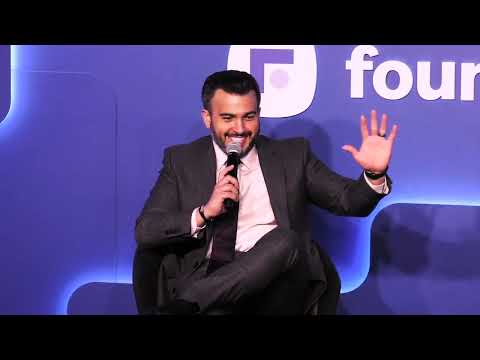
Key Takeaways
- 01ZoomInfo carries a $20B valuation as of March 2022, growing 60% per year at 40% operating margins
- 02Henry Schuck co-founded the company in 2007 while in law school, funding it with $25,000 on his credit card
- 03Revenue reached $20M in 2012, $35M in 2014, and $170M in 2018 post-acquisition
- 04TA Associates invested $110M at a $275M pre-money valuation in 2014, alongside $80M in debt from NXT Capital
- 05ZoomInfo acquired the ZoomInfo brand for approximately $785M, funded with $1.2B in debt including preferred equity from Carlyle Group
- 06The company IPO'd in 2020, with the stock opening well above the expected $8B valuation on day one
- 07Henry Schuck sold 33% of his personal stake during the 2018 secondary transaction at a $2B valuation
- 08ZoomInfo operates on annual subscription contracts and has completed 12 acquisitions in its history
- 09The company sold approximately 10% of shares in the IPO, keeping most shares privately held post-listing
Company Metrics at Time of Interview
| Metric | Value | Source |
|---|---|---|
| Valuation (2022) | $20B | Founder interview, Mar 2022 |
| Revenue Growth (2022) | 60% | Founder interview, Mar 2022 |
| Operating Margin (2022) | 40% | Founder interview, Mar 2022 |
| Revenue (2012) | $20M | Founder interview, Mar 2022 |
| Revenue (2014) | $35M | Founder interview, Mar 2022 |
| Revenue Growth (2014) | 60% | Founder interview, Mar 2022 |
| EBITDA Margin (2014) | 50% | Founder interview, Mar 2022 |
| Revenue (2018) | $170M | Founder interview, Mar 2022 |
| Valuation (2018) | $2B | Founder interview, Mar 2022 |
| TA Associates Investment (2014) | $110M | Founder interview, Mar 2022 |
| NXT Capital Debt (2014) | $80M | Founder interview, Mar 2022 |
| ZoomInfo Acquisition Price | $785M | Founder interview, Mar 2022 |
| Debt Raised for ZoomInfo Acquisition | $1.2B | Founder interview, Mar 2022 |
| ZoomInfo Revenue at Acquisition (2019) | $105M | Founder interview, Mar 2022 |
| Valuation at IPO (expected) (2020) | $8B | Founder interview, Mar 2022 |
| Total Acquisitions (2022) | 12 | Founder interview, Mar 2022 |
| Year Founded | 2007 | Founder interview, Mar 2022 |
| Founder Credit Card Funding (2007) | $25,000 | Founder interview, Mar 2022 |
Growth Breakdown
Revenue Growth
ZoomInfo grew from $20M in revenue in 2012 to $35M in 2014, then to $170M in 2018 following the Rain King acquisition. By 2022 the company was growing at 60% per year while maintaining 40% operating margins.
Acquisitions and Scale
Henry Schuck described completing 12 acquisitions in the company's history, including Rain King and the ZoomInfo brand acquisition for approximately $785M. The ZoomInfo deal was funded with $1.2B in debt, including preferred equity from Carlyle Group to fill a $300M gap.
Funding and Capitalization
TA Associates invested $110M at a $275M pre-money valuation in 2014, paired with $80M in debt from NXT Capital. Carlyle Group came in during 2018, and the company ultimately IPO'd in 2020, selling roughly 10% of shares in the offering.
Profitability
The business was profitable from its earliest days, running at 50% EBITDA margins in 2014. By 2022 the company reported 40% operating margins while sustaining 60% annual revenue growth.
Growth Strategy
Debt-Driven Acquisitions
Henry Schuck used debt strategically to fund acquisitions, preserving equity upside for founders and employees. The ZoomInfo brand acquisition was financed with $1.2B in debt, allowing the company to avoid diluting existing shareholders.
Employee Equity Pool
Henry and his co-founder contributed 15% and 25% of their personal ownership respectively into an employee equity pool, ensuring that employees could participate in every secondary and liquidity event alongside institutional investors.
Secondary Transactions Before IPO
Rather than waiting for an IPO, Henry structured multiple liquidity events including a debt recap that returned capital to shareholders and a 2018 secondary at a $2B valuation where he sold 33% of his personal stake.
Annual Subscription Model
ZoomInfo sells annual upfront subscriptions to sales, marketing, and recruiting teams. This model generates predictable recurring revenue and strong cash flow that supports the company's debt capacity and acquisition strategy.
Hiring a Strong CFO Early
Henry credited hiring a high-caliber CFO as a critical growth lever, recommending founders make this hire by $10M ARR. He noted the right CFO acts as a business strategist, not just a bookkeeper, and is worth the $250,000 to $300,000 annual cost.
Best Quotes
“I was actually like $150,000 in debt. You can't tell by my smile in this picture. But I was a $150,000 in debt if you count law school, undergrad. And then when we started the business, I put $25,000 on my credit card and my co founder put $25,000 on his credit card. For some reason Chase gave us this ridiculous limit. It made no sense for a 23 year old. But that's how we funded the business.”
“This was a bad LOI for what it's worth. But the business was profitable because we didn't know how to run a we didn't have an option otherwise. And so you have to build a profitable business because after the $25,000 of Chase financing ran out, there was no more money to run the business.”
“Look, we're public. The company's growing 60% a year. It's doing it profitably at 40% operating margins. We've done 12 acquisitions in our history. We'll continue to do M and A.”
“People were telling us at this point that like this was an amazing company and the IPO markets were gonna be really excited about seeing it come out. So we expected that the company was gonna go out around 8,000,000,000.”
What Happened Next
This interview was recorded in March 2022 and captures ZoomInfo at a specific point in its public company journey, with a $20B valuation and 60% annual growth. Henry Schuck described a company still actively pursuing acquisitions and expanding its platform for sales, marketing, and recruiting teams. The figures here reflect what was reported during the interview and may differ significantly from current performance. Visit the ZoomInfo company profile on GetLatka for the latest available metrics.
View Zoominfo’s current profile and metricsFull Transcript
Chapters
- 2:41Henry Schuck Introduction and Format Overview
- 4:06Founding Story: Law School, Credit Cards, and $25K in Debt
- 5:54First PE Approach in 2012 and the Bad LOI
- 10:392014 TA Associates Deal: $110M at $275M Valuation
- 14:02Debt Recap and Employee Equity Pool
- 17:32Rain King Acquisition and Antitrust Review
- 20:16Acquiring the ZoomInfo Brand for $785M
- 23:28ZoomInfo Revenue at Acquisition and the $240M Pass
- 24:35Decision to IPO and Pre-IPO Metrics
- 26:29Billings Complexity Post-IPO
- 29:35IPO Day One Pop and Pricing
- 32:30ZoomInfo Today: 60% Growth, 40% Margins, 12 Acquisitions
Nathan Latka
00:00Founders, what's going on? You guys know I love in person events and they are back. The recording you're about to hear is from our most recent event where we had hundreds of founders come together, share intimate details, templates, KPIs, OKRs about their business, and it was something special, something special. We'd love to meet you in person. If you want to see the next live events we have coming up via our schedule. The link will be down
00:23below in the description. If you're listening on iTunes, check this out on YouTube, you'll see the links in the description. Or you can just Google Founderpath or Latka next event. We'd love to see you in person. In the meantime, though, enjoy this recording. It's a good one.
Henry Schuck
00:38Whose idea was it to IPO in the middle of a pandemic anyways?
Nathan Latka
00:58ZoomInfo is still founder led. Henry Schuck is the CEO and started the company while he was in law school by putting $25,000 on his and his cofounder's credit cards. You know, we're investing for the long term.
Henry Schuck
01:10I'm focused on building this company into something much larger than it is today. Our team at ZoomInfo is innovative. We're hardworking. We're always looking to define new possibles, and we're just getting started.
Nathan Latka
01:24Three, two, one.
01:29Marketing platform ZoomInfo opened for trading earlier today. The company's CEO, Henry Schuck, joins us now remotely from his home outside of Portland.
Henry Schuck
01:37ZoomInfo helps sellers find their next best customer. Whether you're a pallet manufacturer in Alabama or you're a Fortune 1,000 technology company, ZoomInfo helps sellers find those companies and find the buyers of those companies.
Nathan Latka
01:50We've got ZoomInfo set to go public this very morning.
Henry Schuck
01:53How is the current environment affecting you? What advice would you give if another company was out there looking to come to market right now?
Nathan Latka
01:59Congratulations. It's always a big deal.
Henry Schuck
02:01Let's do this.
Nathan Latka
02:11Guys, before we meet that guy, welcome to Founderpath. Whoo.
02:20Can I get a mic?
Henry Schuck
02:22Yeah.
Nathan Latka
02:22Yeah. Thanks. So guys, Henry Schuck, we're thrilled to have him with us. Before you meet him though, I just wanna say it's incredibly back in person. I hope it feels good. Does it feel good? Yeah. Feels good. Drink lots of coffee, keep your energy high. We've got outlets for every person so if you get bored, can just open your computer and look up occasionally to act like you're paying attention and go back to your Gmail. Okay?
Henry Schuck Introduction and Format Overview
Nathan Latka
02:41So it'll be perfect. There's plenty of extra seats on this side of the room if you wanna grab one of those as well. So let let's let's get into some of the content here. Henry's story is really incredible, right? So many many years ago before he was now a publicly traded SaaS Founder, I don't know why he responded to cold email like going on the podcast but he did and I was so impressed with how he's
03:02building the company, how he's doing it, but specifically because he was creating multiple opportunities for liquidation before IPO. There's some very non traditional stuff that he sort of did and I'm excited to have him teach us exactly how he did that.
Henry Schuck
03:15You bet.
Nathan Latka
03:16You bet. You bet. Bet. I'm glad you're here, man. Where are you where are you flying from?
Henry Schuck
03:19New York?
Nathan Latka
03:20San San Francisco. He's a San Francisco guy.
Henry Schuck
03:22I'm actually in Portland, but I was in San Francisco to
Nathan Latka
03:25San Francisco is open now, Yes. Okay. Alright. Very cool. This is a little bit different attire than like dorm room days.
Henry Schuck
03:32This is what I wear to work.
Nathan Latka
03:33What I wear to work, alright. So take us back in the story. Over the next twenty five minutes we're gonna really chat about how you got going, where you are today, where you see markets going, some of the key things that were important for you to hit your first $10,000,000 in revenue, how you did a big secondary $40,000,000 bucks when you were 27 years old and what a secondary means. And now sort of pre IPO metrics
03:54versus post IPO metrics. So we'll have fun. That's all expected, right? No surprises yet?
Henry Schuck
03:59No surprises.
Nathan Latka
03:59All right. All right. So, here we go. This is Dorm Room Henry. Dorm Room 25 Ks in debt. Was that on student loans?
Founding Story: Law School, Credit Cards, and $25K in Debt
Henry Schuck
04:06I mean I was actually like $150,000 in debt. You can't tell by my smile in this picture. But I was a $150,000 in debt if you count law school, undergrad. And then when we started the business, I put $25,000 on my credit card and my co founder put $25,000 on his credit card. For some reason Chase gave us this ridiculous limit. It made no sense for a 23 year old. But that's how we funded the business.
Nathan Latka
04:33And what was the original idea? So you guys can follow along on the bottom of this chart and see sort of Henry's product launches as they got going. But you started in 2007 with org charts. Why org charts?
Henry Schuck
04:41I had worked for a similar company when I was in college and we grew the company from about 300,000 in revenue as a lifestyle business to 5,000,000 in revenue. At 5,000,000 in revenue, was like $4,800,000 in EBITDA. And so there wasn't much of a business there. And so I left, I went to law school and then we founded like a company that we wanted to actually build a company around and invest inside of. And so, a
05:10lot of it was a replication of that company but done in a more professional, scalable way.
Nathan Latka
05:15And before we go to the next slide, just out of curiosity, stand up in the room if you're running you're a founder of a software company. Stand up real quick. Stand up. Don't raise your hand. Stand up. Stand up. Stand up. Stand up. Okay. Let me stay standing. Also stand up if you own if you own a little bit of a SaaS company. You're on the cap table of a SaaS company. Now, there we go. Okay.
05:36So, I love how we really want to curate this event. You guys are all operators. You all have upside. You're on the cap table. You all have equity. So, good. That's a good view. Now sit down. So, Henry, take us into this deal right. Explain first what a secondary is, how the opportunity came about in 2012, and how you negotiated this LOI.
First PE Approach in 2012 and the Bad LOI
Henry Schuck
05:54Yeah. This was a bad LOI for what it's worth. But the business was profitable because we didn't know how to run a we didn't have an option otherwise. And so you have to build a profitable business because after the $25,000 of Chase financing ran out, there was no more money to run the business. So we ran the business in this really profitable way. And then we started getting calls. We got on the Inc. 500 list and
06:19then we started getting calls from venture capital firms and private equity firms. The private equity firms ended up being the ones most interested in us because we had profitability and that's what they would give a multiple off of.
Nathan Latka
06:32Give a sense of that real quick. What was revenue in 2012?
Henry Schuck
06:35In 2012, revenue was probably $20,000,000 and it was like $10,000,000 of Yeah.
06:46So, when the venture capital guys came in, they said, okay, here's what we want to do. We want to buy 50% of the business, what is it, 70% of the business for 35
Nathan Latka
06:56got dollars close-up, baby. We got a close-up of the LOI.
Henry Schuck
06:58Yeah. Jump in there. Portion of the business we want to buy. And when we buy that business, we'll give you and your co founder the dollars. Because the business is profitable so the money doesn't Henry, what
Nathan Latka
07:10do want to say? $40,000,000?
Henry Schuck
07:12Was it $40,000,000 here?
Nathan Latka
07:13Yeah, the second highlight down on the left, right, you can see it specifically says part of this deal is buying Kirk and Henry, co founders, $40,000,000. This is sort of, right? Is this
Henry Schuck
07:24Yep. Yep. No, that's right.
Nathan Latka
07:26Okay. You keep going. See it. I know. Sorry. Sorry. Sorry. Sorry. Can you guys see it from the tables when you look up? So that's risky, right? They can all see it and you can't. You're going off memory from ten years ago.
Henry Schuck
07:38So buy the company, give us cash in exchange for ownership in the business. And then the things you're thinking about here, like, do I want to give up control? Do I not want to give up control? Do I like these people? How is the board going to be set up? What do they want to do? My biggest mistake during this was they asked me, what do you want to do after the investment? And in my head,
08:04was like, well, you're to give me $40,000,000 I could do whatever you want me to do. I don't, whatever, what do you want me to do? And so they were like, well, why don't we bring in a CEO? We'll bring in a professional CEO and they can run the company. And I was like, yeah, okay.
Nathan Latka
08:20You're 27 at the time.
Henry Schuck
08:21Here I'm Yeah, 27. Yep. And if you're gonna give me that money, great. Bring in a new CEO. I didn't really understand how business worked. There wasn't like networks of people like this really, back then. Like Jason Lemkin was writing some stuff on Quora. That was the extent of
Nathan Latka
08:39That's a long time ago.
Henry Schuck
08:40Yeah. So then he started introducing me to other CEOs and saying like, look, when we do the deal, we're gonna bring in this professional CEO. And I was like, yeah, okay, great. Luckily, this deal fell apart. And we took a year and then kind of rebuilt some of the pieces of the business. And had I taken that deal, you know, I would I don't think I would have ever been a public company CEO.
Nathan Latka
09:08Well, just going back to that for a second, you can see the yellow highlight on the right, I believe, is the proposed post cap table deal. So, you'd be down to 10% effectively. They were buying up 90%. Is that accurate?
Henry Schuck
09:21Yeah, that's right.
Nathan Latka
09:22So, what were some of the reasons you turned this down? Obviously, that's a big one.
Henry Schuck
09:26That's a big one. They actually re traded this deal. That retrading is like an industry term for, hey, I gave you an offer and then after diligence, I changed the offer on you. I gave you a worse offer.
09:40That's like also, if you tell somebody that a firm retreated you, it's really bad for their reputation. These guys retreated me right at the end. They said, oh, come down to San Francisco and have lunch with us. So I came down to San Francisco and they were like, yeah, there's some things in diligence we didn't like. And so we're gonna cut the deal in half. And then in a year from now, we'll have the right to
10:10buy the other half at the same rate as what we're proposing today. This is like really nasty. And we'll help you figure out how to scale the business. It's like what does this guy need?
Nathan Latka
10:21Of course. Of course they Yeah.
Henry Schuck
10:23And then I just said no.
Nathan Latka
10:26Round of applause for saying no, right, to 90% dilution. All right. So, let's keep going here with the story. Okay. So, you say no. Do you do anything in 2012 cap table wise?
Henry Schuck
10:36Nothing in 2012.
Nathan Latka
10:37All right. Take it to what happened in 2014?
2014 TA Associates Deal: $110M at $275M Valuation
Henry Schuck
10:392014, we decided we would pick the process back up. We hired a banker. It was a small niche investment bank in Seattle. Investment banks, by the way, I didn't know what investment bank was. Basically, it's someone who sells your business for you. They build the decks. They talk to the private equity and venture capital firms. They come to all your meetings. They're a broker, like a real estate broker but for businesses. So we hired an investment
11:05bank in Seattle. They built sort of the marketing materials, started talking to private equity firms, and then we brought in our first institutional capital, a firm called TA Associates, who bought 50% of the business at a $275,000,000 valuation.
Nathan Latka
11:22Pre or post?
Henry Schuck
11:24Pre.
Nathan Latka
11:25So, much did they put in?
Henry Schuck
11:26They put in 110,000,000 and then 80,000,000 of debt.
Nathan Latka
11:34Okay. Help us understand, just quickly touch on this, debt on the back of an equity round, was it the SVB sort of deals back then or who'd you go with on the debt side?
Henry Schuck
11:41It was a firm called NXT Capital.
Nathan Latka
11:44Okay.
Henry Schuck
11:44So, at this side, at that point, the company's $35,000,000 of revenue. It's growing 60%, and it has 50% EBITDA margins. So it's very profitable. And so when private equity firms do a deal like that, they can increase their return if they fund a part of the deal with debt. So instead of it all being equity that shares in the upside, they do a portion of it in equity, and then they do the rest of it in
12:14debt that the company has an obligation for.
12:18And the company pays the debt down but it juices their return because the debt doesn't participate in the upside.
Nathan Latka
12:27I'm just reading faces to see if people are following. I think they got it. They'll follow along. Alright. So, between 2014 and 2018, you grow the business, you grow the business. What was revenue in 2018?
Henry Schuck
12:38Revenue in 2018 would have been like pre we made an acquisition. 2018 was post acquisition. So, 170,000,000.
Nathan Latka
12:46And so was this LOI pre or post the 1.5 billion valuation?
Henry Schuck
12:50Pre.
12:51Pre. Pre. Pre.
Nathan Latka
12:59Yep. Did you know in this LOI that you were gonna use a bunch of debt to go do the ZoomInfo deal?
Henry Schuck
13:03No. We didn't know we were gonna do the ZoomInfo deal when we got this LOI. Okay.
Nathan Latka
13:07So explain This
Henry Schuck
13:07is the same firm as the other firm who I wasn't gonna do business with, but I really wanted to frame their bullshit offer next to one like a few years later that said $1,500,000,000 for a much less of a portion of the business. And so a few years later, the private equity firms or venture capital firms who come in, they have a hold period. They need to get in and out of investments usually within five years.
13:34And so, within five years, whatever the business is gonna do double, triple the value, they have to exit either all of the business or a portion of the business within that period of time. And so this was four years post the investment. We had done an M and A acquisition. So TA made this investment at $275,000,000 and now we're four years into the future. This offer's for 1,500,000,000. We ended up taking an offer at 2,000,000,000, which
Debt Recap and Employee Equity Pool
Henry Schuck
14:02TA ended up selling a portion of what they owned and then holding on to the rest. And then myself, my co founder, and then we had an employee pool of I should talk about that. We have an employee pool of shares, all participated alongside that as well. This is actually interesting. So I had a co founder. My co founder left in 2015, left the business. When he left,
14:30he agreed to put 25% of his ownership and I put 15% of my ownership into a pot that we set up for employees. And so private equity firms are notoriously not great at giving equity down to the last employee. So we were able to take this fund of our shares and then give it out to employees so that they would participate in the upside of the business. And so every time TA or Carlyle or anybody sold,
14:58the employees also had an opportunity to sell in those transactions as well. And so when we were out in 2018 selling a portion of the business so TA could get their returns internally, the employees TA sold 33% at this time. We asked the employees, what do you wanna do? They were like, we'll sell 50% at $2,000,000,000 valuation. The company's worth $20,000,000,000 now, so it wasn't the best decision.
15:25But they so they sold 50% of what they owned and people put a lot of money in the in the bank at that point.
Nathan Latka
15:31You sell any of yours?
Henry Schuck
15:32I sold 33% of what
Nathan Latka
15:34I owned.
15:34At that time?
Henry Schuck
15:35At that time. So I had And along the way, we missed a couple points, but along the way
Nathan Latka
15:40Touch on where you pulled capital out
Henry Schuck
15:42a little Yeah, exactly. That's what I was gonna do. So TA makes the acquisition in 2014, and then they do this thing called a recap, where they go out and they add additional debt to the business and then dividend that debt out as a return to the shareholders. It's a weird thing. I didn't know what it was. But we're like a year in, the business performed and they said, Hey, we have an opportunity to add another
16:08$25,000,000 in debt or 40. I honestly, I can't remember. And when let's say it was 40. When we put $40,000,000 in debt on the business, the business is super profitable, so it can continue to support paying that debt down. So we're gonna put 40,000,000 on. We're gonna take $20,000,000 as a return, and then you guys are also 50% owners. So Henry and Kirk will also take $20,000,000 out of the business at that point too. So that's
16:35another capital return. That was the only debt recap we did. When you do those debt recaps, you get like a you get in a room. Have you ever seen a conference room at an airport? I remember like walking through airports and going like, who does a conference in an airport? Like, that sounds horrible. You do these conferences in an airport, debt conferences. That's what they're there for. So you go to an airport conference room, and there's
17:03like a bunch of debt guys, people who work at SVB or NXT. There's like this group of companies that does kind of like mezzanine debt, debt that's kind of weird and takes specialization to understand. And then you pitch the business to these debt people, and then they decide what they would give you and at what rates.
Nathan Latka
17:26And so okay. Do you take capital out any other time before IPO? Yes.
Rain King Acquisition and Antitrust Review
Henry Schuck
17:32Post the Rain King acquisition and before this, when you put the two businesses together, we made this acquisition of a company that was doing $40,000,000 in revenue and $10,000,000 of profitability. We acquired the business, and then three months later, it was doing 45,000,000 and $35,000,000 of profitability because we optimized and we cut where there was duplication.
Nathan Latka
17:57That mainly employees?
Henry Schuck
17:59It was half of it was employees. Okay, this is Rain King. This is Rain King. And when we made that acquisition, because we had a whole bunch of additional profitability, we did another recap of the business. Like a small $15,000,000.
Nathan Latka
18:13Okay.
Henry Schuck
18:14That was the last time we did that.
Nathan Latka
18:16And then, so then take us through, you're now preparing yourself to go after one of your largest competitors.
18:23You know what my big question on this is?
Henry Schuck
18:25Yeah.
Nathan Latka
18:25If I was in your shoes, I mean, you read a lot of the regulators reports on sort of going into IPO. And I'm going, does Henry worry about people blocking this deal? Because if you listen to all your presentations publicly, you always say LinkedIn's our biggest competitor. We compete with LinkedIn. It's LinkedIn. It's not ZoomInfo. But privately, ignore LinkedIn. ZoomInfo was really like about $100,000,000 revenue against your 165,000,000 something like that?
Henry Schuck
18:46Yeah, exactly.
Nathan Latka
18:47So why did you do this deal and how did you deal with regulation? Was there any issues of maybe it not closing?
Henry Schuck
18:52Yeah, so when we did How disseminated is this? Is this like going on a public thing?
Nathan Latka
18:58This was your interview with me. I can see you smiling.
Henry Schuck
19:01Yes. I remember that interview.
Nathan Latka
19:02This was your voice in '20, I think, something.
Henry Schuck
19:06No.
Nathan Latka
19:07I mean, this the recording This
19:08will keep will keep
Henry Schuck
19:09I don't believe you.
Nathan Latka
19:14Probably a smart idea. Don't say anything there.
Henry Schuck
19:17It's a very big market. When we made the acquisition of Rain King, we actually you you have to get antitrust approval. And we went and and the regulators didn't love the Rain King acquisition because they felt very similar, two very similar companies. And so we actually went to Washington DC. We met with a panel of Department of Justice regulators in the antitrust division. And included like lawyers and economists trying to figure out how anti competitive these two
19:50companies coming together would be. They stretched it out until the last day of when they would basically deny or approve it. They approved it. We put those two companies together and then a year later we acquired ZoomInfo, which was another player in the market. That process was not as difficult.
Nathan Latka
20:10As Rain King?
Henry Schuck
20:11As Ranking.
Nathan Latka
20:12Wow. Did that surprise you?
Henry Schuck
20:13It did surprise me.
Acquiring the ZoomInfo Brand for $785M
Nathan Latka
20:16How did you get that deal done? You're buying DiscoverOrg, I'm sorry, you're buying ZoomInfo, I believe, from a private equity firm.
Henry Schuck
20:21This is a complicated deal from a debt perspective. So what happens here, and the company wants to You want to use debt as well as you can if you're a profitable business because And I'll do this point again. Every time you use debt, debt doesn't participate in the upside of the company. And so if I take $100 of debt and it has a 5% interest rate, and then for three years, my company grows 100%, the debt
20:50doesn't get 100% return, it gets a 15% return over those three years and the company participates in the upside. So when we went out to buy ZoomInfo, ZoomInfo was an $800,000,000 acquisition, just under 800,000,000. We
Nathan Latka
21:07It took me forever for you to get the freaking number. You didn't give that number out.
Henry Schuck
21:12Yeah. I don't think we talked about the number.
Nathan Latka
21:14We got close though.
Henry Schuck
21:15Yeah. Yeah. It's close.
Nathan Latka
21:16I got pretty
Henry Schuck
21:16Yeah. It's actually like $785,000,000, so it's pretty close. And so we had to go out and raise raise as much debt as we could, as much as the company could handle. And at the at these levels of debt, you actually have to go to Moody's and S and P and get them to rate your debt, you know, like junk rated debt. Like, I didn't know what this was. And you, like, go to S and P and
21:41you go to Moody's and you do the same pitch, and then they decide the rating of your debt. And based on the rating of your debt, a whole bunch of other people buy the debt at certain rates. What happened here was we ran out of debt room. Like, we took as much debt as we possibly could.
Nathan Latka
21:59Which was how much?
Henry Schuck
22:00Which was 1,200,000,000 we needed.
Nathan Latka
22:04Against how much of profit?
Henry Schuck
22:08With the combined business, you would have had about $100,000,000 of profitability. So, it was like 13 times levered, but less than that in the future. It's a lot.
22:21And and so but there was no more room. So you you could raise debt up to, like, 900,000,000, and then you had a hole. You had a $300,000,000 hole in getting the deal done. And so Carlyle, who came in in 2018, the Carlyle Group, stepped in and took a thing called preferred equity, which is equity that looks like equity but acts like debt. Jeez. It's like I'm a finance guy now. Disgusting.
Nathan Latka
22:51I wasn't gonna talk I wasn't gonna talk about your tie. I was listening you describe the bankers in the airport conference room going, he's trying very hard not to say negative things about these bankers.
Henry Schuck
23:01The so it's it's it's kinda debt, but it it's it's debt that gets a higher return. And that's really hard debt to get, especially when you when you put it behind, like, a billion dollars of other debt. But Carlyle stepped in. And so then we bought ZoomInfo with $1,200,000,000 of debt
23:21and started operating the business.
Nathan Latka
23:23And so 1,200,000,000 against how much of their revenue? What multiple do you pay for ZoomInfo?
ZoomInfo Revenue at Acquisition and the $240M Pass
Henry Schuck
23:28ZoomInfo is doing a 100,000,000 revenue, a 105.
Nathan Latka
23:31So that feel expensive at the time? Yeah. I mean, what, Vista's deals are usually like 7.5, 7.8, like nine x. That's was a high price.
Henry Schuck
23:39Yeah. Was a high price. And the funny thing, funny, a year later, had a A year earlier, I had an opportunity to buy ZoomInfo for $240,000,000 and I passed. And that might feel like a bad decision. Like, oh, that was dumb. He had to pay $800,000,000 one year later. It wasn't a bad decision. Like, the business wasn't ready to take on that acquisition and we would have fumbled it. A year later, we were in a much
24:03better place. But a private equity firm came in at $240,000,000 that year before. And they're happy to hold the investment for four to five years because that's the hold period they had. I had to come in a year into that hold and pay them for what they thought they would get four years into the future. And so they weren't gonna transact with me unless I could tell them, like, I will pay you now for what you
24:30what would be a great return three or four years from now.
Decision to IPO and Pre-IPO Metrics
Nathan Latka
24:35Heck of a story there. So sort of moving forward, were you did you already know at this point, obviously, you're gonna IPO when you're doing this ZoomInfo deal?
Henry Schuck
24:41No. You didn't? Okay. No. I thought we were putting two great private companies together, and three months in, it went really well. The integration went really well. The m and a was really positive. Everywhere we thought we had upside, we did and more. And so it was this really exciting time in the business. Three months into the acquisition, the board went, hey, maybe you should IPO. And I went like, well, I'm kind of putting two companies
25:10together right now. And so I don't know how I'm going to find time to set up for IPO. But they didn't care. So we started the pathway to IPO the business.
Nathan Latka
25:21And so talk us through, there's sort of pre IPO, Henry. There's a lot of Henry. So there's pre IPO, then there's post IPO. Talk to us about some of the key metrics you were looking at going into the IPO.
Henry Schuck
25:31So going into the IPO, we track everything. So we, obviously, on retention side, we're looking at net renewal rate, net retention rate, upsell dollars. We're looking at different products that we sell and how those are being sold. We're looking at how products are being adopted across the customer base, how they're getting implemented. On the new business side, we're looking at the top of the lead funnel. How many leads are we generating? How many of those are
25:59converting to appointments? How many of those are converting to good fit demos and opportunities? And how many of those are closing? And then we get a daily pacing report, which tells us, like, based on this month, we expect to close these dollars and where are we day over day over day over day, and how are we pacing against that target, and then any numbers that are off every single day. The only unique thing pre to post
Billings Complexity Post-IPO
Henry Schuck
26:29IPO is that in IPO world, in the public company world, analysts and investors like the billings number, and we never tracked billings internally.
Nathan Latka
26:40What does that mean?
Henry Schuck
26:42Billings is basically how much have you sent an invoice out for. And so if I sold a deal, however many deals I've been able to send an invoice out for, however many dollars I could send an invoice out for, that's your billings number.
Nathan Latka
26:58Wait, Henry, real quick. Raise your hand if you've ever sent an invoice and it hasn't been paid. So can't you just send out a bunch of invoices?
Henry Schuck
27:04I mean, you can't.
Nathan Latka
27:05I mean, you don't. They're actually sold deals. You think they're sold deals. How do you control actually, like, it's not money.
Henry Schuck
27:11You have like a bad debt expense that investors understand. So some portion of your dollars never get paid, and so they can discount against that. The problem with billing well, the reason why billings became important for our company post IPO is that we weren't we don't release an ARR number. We don't tell investors what the ARR number is. And instead, we just tell them the revenue number. The revenue number is a lagging indicator. Right? Or it's
27:39a lagging indicator. So if I sell a whole bunch of deals in March, only a third of that actually shows up in revenue in that quarter or less if it's at the end of March. So revenue is always lagging. Well, billings, what I actually sent invoices out for, is something that they could get a feel for what you actually sold in the quarter. And the problem we went we IPO ed in in the middle of the
28:03pandemic, and one of the things that happened to us was customers wanted more flexible payment terms. And so instead of sending annual selling annual upfront subscriptions, We started selling, like, monthly or quarterly. Well, that has a big billings issue. Right? Because I'm not sending you a invoice for your whole term. I'm sending you a one month invoice or one quarter invoice.
Nathan Latka
28:26Sorry. Explain why you did that again because everyone here is going, wait. I thought you'd do annual upfront, collect cash, no CAC issues. Why were you doing this again?
Henry Schuck
28:32Only because in the middle of the pandemic, people wanted more flexible payment terms. We had never done that before. And so all of a sudden, we started doing this thing that complicated the billings number. So my first earnings report, which I was like really proud of, it like, we had all our numbers, totally crushed it, like carry me out of the room.
28:51The analysts were like
Nathan Latka
28:52Go on CNBC. Look like this.
Henry Schuck
28:53Yeah. Billings, billings, billings, billings, billings, billings, What's up with billings? And I was like, we don't even we know we don't. We don't look at billings. Now we look at billings.
Nathan Latka
29:06You sent me a really funny email because I put out in my newsletter I said like I think this guy might be an IPO watch list. I think if they do it'll be like 5,000,000,000. I would go the next morning and get an email from you and it was something long. I'm paraphrasing here. It was something like, why not 10 or something. Is that what you said? It was something like Totally, yeah. It was literally like
29:24a one sentence subject line only. And it was like, why not 10 would be question mark. And I wrote back and said, well, here's my math. Here's my analysis. And of course, I'm wrong, right? So did you expect this on day one?
IPO Day One Pop and Pricing
Henry Schuck
29:35Well, people were telling us at this point that like this was an amazing company and the IPO markets were gonna be really excited about seeing it come out. So we expected that the company was gonna go out around 8,000,000,000.
29:52And, but I did, we didn't expect, I didn't expect it was gonna, it was gonna rocket the way that it did the first day.
Nathan Latka
29:58And any, I mean, are some people in here with 50 to $100,000,000 in revenue that are hiring the CFO that might be thinking about the IPO. I mean, would you do anything different? Like, is it okay that you under route or that it's basically doubled?
Henry Schuck
30:10Yeah, you're gonna read articles that say like, oh, the pop on day one, like, that just means you, like, did a bad job of pricing your IPO. It's not really true. Like, we had the best advisors, the best people around the table on this. You don't really want an IPO that doesn't go up on the first day, creates like bad issues and morale issues for your team. You want a successful IPO. And ultimately, the trick is
30:36we didn't sell a 100% of the company in the IPO. We sold, like, 10% of the shares in the IPO. And that's how all companies are. They don't sell the whole company in the IPO. Like, we're publicly traded, but most of the shares are privately held.
30:51So you can do a small amount in the IPO, get a kick, get a bunch of press and excitement about it, and then downstream, you sell the rest of the shares at a higher value.
Nathan Latka
31:02And so so you go to the IPO. You do well. By the way, we're gonna talk about founder dilution later on, I think tomorrow. We talk about some SaaS founders when they went public and how much they still owned of the company. And some these are very small numbers. 2.5%. You were able to optimize a bit here. Are you comfortable sharing sort of how much you owned at IPO?
Henry Schuck
31:18Yeah, do you have it?
Nathan Latka
31:19I can tell you 12 off the top.
Henry Schuck
31:21Percent actually.
Nathan Latka
31:23What do mean do I have the best ones in my head?
Henry Schuck
31:25There's like it's the employee pool. It's complicated. But I had 2% somewhere else.
Nathan Latka
31:30Yeah. Yeah. Cool. So talk to us quickly as we wrap up here about ZoomInfo today and what's next.
Henry Schuck
31:36Yeah, so a couple things. One, if you get to like $10,000,000 of ARR, you don't have a great CFO, you should probably get yourself a great CFO. And you're probably thinking, because I was you, like, I got a guy who does the books and sends the invoices and does the bank stuff. Like, what do I need a big expensive CFO for?
Nathan Latka
31:57What's big expensive?
Henry Schuck
31:58Probably 300,000.
Nathan Latka
32:00You paid your that higher fee?
Henry Schuck
32:02First one, probably $2.50, 300.
Nathan Latka
32:04Okay.
Henry Schuck
32:04It's worth every penny if you get the right CFO. The great CFOs are business strategists, and they help you understand the rhythm of the business. They help you see where to invest behind the company and how the business operates. And you have a feel for it because you're a founder. CFO makes your life a million times easier. Don't wait too long for that hire.
ZoomInfo Today: 60% Growth, 40% Margins, 12 Acquisitions
Henry Schuck
32:30Look, we're public. The company's growing 60% a year. It's doing it profitably at 40% operating margins. We've done 12 acquisitions in our history. We'll continue to do M and A.
Nathan Latka
32:40Who are you buying next?
32:43I try. You used to tell me everything. A little YouTube recording. Now, nothing.
Henry Schuck
32:47Yeah. Didn't you know, for what it's worth, Nathan has the best content on this stuff. It's why I'm here. It's why I respond to his emails. It's the most it's the most dead on content.
32:59And the way he asks questions in interviews, like, nobody really understands the SaaS space well enough to articulate questions the way he does, which I think, by the way, is why people come on and why they, like, share information because usually you're talking to like an analyst who doesn't understand your business or a journalist who really doesn't understand like business, period.
33:23But we're going to continue to grow the business. We help sales marketers and recruiters hit their numbers, find the best candidates. It's a SaaS platform. It's an annual subscription. There are multiple dimensions of it. Are there customers here?
Nathan Latka
33:38Raise your hand if you use ZoomInfo.
Henry Schuck
33:39Yeah.
Nathan Latka
33:40Thank you guys Nice.
Henry Schuck
33:41Very
Nathan Latka
33:42And you guys should they've got a booth right outside of the nursery area. You should definitely chat more. You've got some interesting new products coming out as well. But, again, Henry, incredible growth story here. Anything you wanna sneak in that I didn't ask?
Henry Schuck
33:53No. But maybe just a piece of advice. Please. Like, someone asked me the other day if I'm having fun. I'm not. Like, by the way, the job is just too hard. It is just too hard. There are too many moving pieces. It is not fun. I am fulfilled. I am challenged. I would never do I there's nothing else I would wanna do professionally, but it's not fun. And so I respect everything that you guys are doing.
34:21It is a hard job. You should embrace it. It does not get any easier. It's hard all the way through, but it is the best thing I could ever imagine doing.
Nathan Latka
34:33Guys, Henry Schuck, ZoomInfo. Give it up.