Valuation
$1.1B
2024 Revenue
$162.9M
Customers
3.5K
Funding
$257.6M
YOY
44.3%
Avg ACV
$46.5K
Team
1.1K
Profits
$1
How G2 CEO Godard Abel grew G2 to $162.9M revenue and 3.5K customers in 2024.
G2 is a business software and services review platform that helps businesses make informed decisions about the software tools they need. The platform provides unbiased and authentic user reviews, as well as expert insights and ratings, to help businesses choose the right software solution for their needs. G2 covers a wide range of categories, including marketing, sales, customer service, finance, and HR, among others. The company was founded in 2012 and is headquartered in Chicago, Illinois. It has become a popular resource for businesses looking to research and evaluate software tools and services.
Last updated
G2 Revenue
In 2024, G2's revenue reached $162.9M. The company previously reported $112.9M in 2023. Since its launch in 2012, G2 has shown consistent revenue growth.
| Year | Milestone | Quote |
|---|---|---|
| 2024 | G2 Hit $162.9m revenue in October 2024 | |
| 2023 | G2 Hit $112.9m revenue in November 2023 | |
| 2022 | G2 Hit $84m revenue in November 2022 | |
| 2022 | G2 Hit $84m revenue in July 2022 | |
| 2021 | G2 Hit $60m revenue in November 2021 | |
| 2021 | G2 Hit $60m revenue in October 2021 | |
| 2019 | G2 Hit $40m revenue in October 2019 | |
| 2012 | Launched with $0 revenue |
G2 Valuation, Funding Rounds
G2 reached a $1.1B valuation in 2021, set during its Series D round.
G2 has raised $257.6M in total funding across 7 rounds, most recently a $157M Series D round in 2021.
| Year | Round | Amount | Valuation | % Sold | Quote |
|---|---|---|---|---|---|
| 2021 | Series D | $157M | $1.1B | 14% | |
| 2018 | Series C | $55M | $450M | 12% | |
| 2017 | Series B | $30M | - | - | |
| 2016 | Venture Round | $4.3M | - | - | |
| 2015 | Series A | $7M | - | - | |
| 2014 | Series A | $2.3M | - | - | |
| 2013 | Seed Round | $2M | - | - |
G2 Employees & Team Size
G2 employs approximately 1.1K people as of 2026, up from 936 in 2024, including 145 sales reps that carry a quota. It serves 3.5K customers that rely on its solutions.
| Year | Milestone |
|---|---|
| 2025 | Reached 1.1K employees (November 2025) |
| 2024 | Reached 936 employees (October 2024) |
| 2023 | Reached 936 employees (November 2023) |
| 2022 | Reached 718 employees (November 2022) |
| 2021 | Reached 500 employees (November 2021) |
| 2021 | Reached 500 employees (October 2021) |
| 2020 | Reached 445 employees (November 2020) |
| 2018 | Reached 468 employees (December 2018) |
Founder / CEO
Q&A
| Question | Answer |
|---|---|
| What's your age? | - |
| Favorite online tool? | - |
| Favorite book? | - |
| Favorite CEO? | - |
| Advice for 20 year old self | - |
Customers
See how G2 acquires and retains customers with data on acquisition costs and revenue performance. Log in to access the complete customer economics dashboard.
Frequently Asked Questions about G2
What is G2's revenue?
G2 generates $162.9M in revenue.
Who founded G2?
G2 was founded by Godard Abel.
Who is the CEO of G2?
The CEO of G2 is Godard Abel.
How much funding does G2 have?
G2 raised $257.6M.
How many employees does G2 have?
G2 has 1.1K employees.
Where is G2 headquarters?
G2 is headquartered in Chicago, Illinois, United States.
People Also Viewed

JABU
B2B payments, transforming Africa's cash economy

Harmoney
Electronic bond trading platform for institutions in India

AgreeYa Solutions
AgreeYa Solutions is a leading global provider of software, solutions and services to small, medium and global Fortune 100 organizations. Founded in 1999 and headquartered in Folsom, Calif., AgreeYa has over 2,500 professionals helping clients across U.S, India, Mexico, and Singapore. Leveraging a technology-enabled, consultative approach and diverse talent, AgreeYa offers modern workplace, smart analytics, intelligent automation, AI/ML, cloud transformation, mobility and talent management solutions to deliver digital transformation to its clients. AgreeYa has received considerable recognition including certifications like Microsoft Solutions Partner and Cloud Solutions Provider, AICPA SOC 2 Type 2, SEI CMMI, and ISO 9001:2015; and awards including ‘Dream Company to Work For’ and ‘Best Employer Brand’.

IANS
IANS is the leading provider of independent, tech-enabled research and advisory services for the information security industry (InfoSec). They provide guidance and actionable advice from renowned information security practitioners to help CISOs and their teams make informed decisions.

MagicBox
MagicBox is a SaaS based tool empowering publishers to package, sell, manage, & distribute their digital contents.

Moda Operandi
Moda Operandi is an online luxury fashion retailer that allows customers to preorder looks from the runway and offers a curated selection of designer clothing, accessories, and home goods.
Compare G2 to the industry
G2 operates across multiple industries. Browse revenue, funding, and growth data for G2 in each sector below.
Full Interview Transcripts
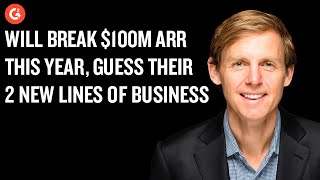
G2 Will Break $100m ARR This Year, not from reviews. Guess their 2 new lines of business.Jul 27, 2022
hey folks my guess it is godard able he's the ceo of g2 which i'm sure many of you guys have seen you've seen the badges flying around linkedin everyone wants to be top ranked on g2 that's because it's the leading business software review website and marketplace which you co-founded in 2012. good are you ready to take us to the top yes let's go nathan so this is not your first rodeo uh you you gave a really great talk at our last founder event where you summarize some of the other companies you've built uh are you having as much fun building this one as the last three or four yeah but i would love an entrepreneurship it's always different but i am enjoying the new challenges i love that so let's talk a little bit about products we had you on recently um obviously most people think about g2 as a review site right how do you think about product expansion what's next yeah i think one of our exciting new products is g2 track and g2 track is all about helping cios cfos track all of their sas and cloud spend and we think it's especially relevant now a bit of an economic downturn so everyone's trying to also figure out am i wasting money on some of my sas are there gaps in my tech stack and with g2 track we can help companies figure that out in real time and so how should folks think about g2 track relative to you know vendors of the world and other other sort of expense management tools yeah and we do partner with vendor and i think vendors are really good at negotiating sas contracts and they're more full service you know g2 track is really about giving you data benchmarks and it works by api we hook it up to your financial system let's say you're running netsuite intact quickbooks we parse all your spend data look at your usage for using something like octa and then benchmark it against the whole g2 database to help you figure out or you have some duplicative apps you know are there areas you can save money and on the other side are there gaps in your stack you know where there's new products we'd recommend so i think we're really excited about the potential of track and i guess your ability to make smart recommendations there is directly dependent on your ability to convince founders and cfos to actually connect the data so you sort of have a bit of a marketplace problem there but you are the marketplace king you saw this with reviews how do you think about figuring out that sort of connection equation and making sure you have a big database to make smart recommendations based off of and the good thing for us it's the same database you know powersg2.com because on g2.com we have over a hundred thousand sas software products listed we categorize them in over 2000 categories but it's a very dynamic taxonomy and frankly that's one of the key assets for track and that's one of the challenges for cio cfos you know a lot of companies are running hundreds if not thousands of apps and frankly if you're the cio cfo you don't even know what they do yeah because marketing buys its own apps sales buys its own apps product button zone apps and you know you just see how they're spend but they have no idea what they do so having that taxonomy being able to match products and then even using the review data seeing what businesses like yours are having success with on g2.com based on that feedback is actually essential we think to making very data-driven stack assessments and so that's why we see the two very synergistic and also going the other way track can also help inform the insights we provide on gt.com because it gives us a deeper look into you know what companies are spending on how that's trending where they're actually having success and so that's why we see it you know being very synergistic to what we're already building on g2.com you mentioned over 100 000 software companies on g2 the value of the taxonomy the dynamic taxonomy you've built and how that feeds into track how many people you know have connected real-time api feeds you know into track today yeah and i think we have you know it's a few hundred companies and we have both a free and a paid version about 100 on the paid version now which is i think a big milestone because in some ways you know track is a sas startup within the greater g2 but obviously fully built into the data and the architecture but we're we're excited and we do think second half of this year we'll see a lot of momentum with that product because i think everyone is trying to you know figure out where to save a bit of money to you know also better better weather the uh the economic downturn oh what's going on there youtube good to see you guys now imagine this you love watching these interviews with sas founders but imagine if we took all of the valuation data out from over 2807 interviews i've done manually saves you a lot of time well we've done this we've built it into the beautiful interface inside of founder path check this out i'll show you how you can access this in a second but you log in you connect your stripe account you see your valuation real time you can see what it changed over the past 88 days and even set goals for valuation this year now the secret evaluation is there's many different ways to value a sas business so the reason you're going to see three or four different valuations inside of your frowner path dashboard this is all free by the way is because depending on who's doing the buying of your sas company you're going to get a different valuation a vc is going to pay a different valuation private equity firm is different if you're going to do a minority sale that's different and if you sell the whole business that's a different valuation you can see all those when i hover over here right so the teal is what a vc would pay yellow is what private equity and red is if you sold the whole thing outright now what's cool about this is this is not built off random data again you guys hear these interviews on youtube all these datas are built from real time valuation data points founders share with us on the show so traction 1.2 million seed round 3.7 raised they sold 22 percent of their business go in here and filter by the event maybe you only want to see companies that have sold the whole business well here are a bunch that have been acquired the valuation and the multiple maybe you're going out right now and you're raising your seed round well go in here and look at all this recent seed deals that went down what they raised what valuation they raised at and what percent that they sold there's never been a larger data set of sas valuations than what you can get now inside of founderpath and we're thrilled to bring it to you all right we're gonna go back to the youtube video here in a second but if you want to check this tool out if you want to jump in and sign up you can check it out for free to get your valuation at this link this link founderpath.com forward slash products forward slash evaluations or if you go to founderpath.com and hover over products click on get your valuation here and go ahead and sign up to give it a whirl again all that valuation data live right inside the platform i hope to see you there all right let's jump back into the interview you said 100 on the paid version of track what does paid mean how do you make money on this product well i think it's a sas subscription like any product you know but with paid there's additional features and especially i think if you want apis to more enterprise systems like netsuite like octa that's when you go to the paid version of track but if you're running quickbooks if you're a startup you can try it for free i see so if there's a large enterprise with 50 million bucks in revenue that wants to use track to manage their spend and they also use octa when they click connect doctor you might say wait you need an enterprise plan here's a 300 a month fee to sort of access that true and the other thing we do for the bigger companies is we have a contract concierge service because really make track work well you also want to track the key contract terms you know such as renewal dates uh you know whatever kind of price uplift there might be and frankly there isn't a great way to get all that data into a system you know without doing some contract entry so we have a contract concierge service that's also part of our paid solution and that can really help companies and be more proactive in managing their whole sas and cloud service stack some of the fastest growing sas companies say well you sign three-year contracts and they build in you called it price uplift but it's effectively a natural accelerant each year where the value of the or the acv increases whatever five percent you're you're on the flip side trying to prevent your customers from paying more for something like salesforce for example what are you seeing right now go ahead yeah i just say we're on both sides of that we just want people to be aware and i think and i'm also an entrepreneur right i think that's the key first seller if you want to do that you have to provide more value each year and obviously i think some vendors do a great job of that right but if you're not providing upgrades more value each year then yes then the buyers your customers will question that hard and for the buyers we just want them to be aware you know and and have that visibility because sometimes there are surprises right yeah like no you look at the contract and turns out there's like a 90 day opt out and if you don't there's whatever uplift there is and i think that's all fine as long as you're aware of it as long as you feel like you're gonna have value but obviously cio cfos don't want to be surprised and that's you know track make sure that they have full visibility and they can be proactive godard when you look at the the ecosystem of folks that are helping saskamis track their spend who right now do you feel like has the most data the most live connections to sas companies yeah uh and honestly i'm not sure i do think in terms of the negotiating uh you know really i think vendor obviously has great momentum right this raises a bunch more money and uh you know so uh but i i think in terms of actually gathering data you know we feel like we're we're in a good position now you're also well capitalized i believe your last round was 157 million series d last year right true and broke the 1.1 million billions our evaluation mark yes that was very exciting any more capital raise since then or no no and we don't i don't think now it would be a great time to raise capital although i think we're also lucky i don't think we raised that like some crazy crazy multiple well you told us i mean you told us right around there you're breaking like a 55ish million run rate so that was a 19x ish multiple right if that's accurate i'd say that's a fair multiple not crazy yeah no and we're we are growing well you know i think this year we'll definitely break through 100 million ar so oh wow yeah godard that's a big that's a big announcement that's exciting i mean how cool i mean are we like is that a stretch goal or you feel pretty good about that i think well i feel good at definitely getting there by your end and certainly when we do hit it you know we'll uh we'll share that with you because it will be that's exciting and i think in a lot of ways and i probably agree a lot of ways it's more exciting becoming a unicorn at least last year because last year becoming unicorn was probably easier and uh yeah then breaking through 100 million are as you know not that many sas vendors hit that milestone so yep that's rare excited to get there i mean that means right now you've got to be somewhere between like sort of 80 85 million in ar right i'm not going to confirm that but we will get through 100 this year all right fair enough very cool last question i want to ask before we wrap up i would argue one of your biggest assets is your ability to accurately taxonomize hundreds of thousands of software companies how on earth do you do this well i think we have the advantage that vendors you know software vendors software servers they want it to be right on g2 and as you know our models if you're a sas entrepreneur you can list on g2 for free and then we also ask you what category you're in and then obviously as vendors grow like our friend henry at zoom info right obviously they grow well beyond one product one category so now zoom info something like that's probably in 30 categories but we actively work with their product marketing their product teams to make sure they're properly classified across all their products and that's never done because vendors like zoom in for always innovating entering new categories launching new products but i do think we've become an essential part now of our industry you know where if you're a software vendor you want it to be right on g2 so that software buyers and we have about 7 million a month coming to g2 they discover you you know because you don't want to be missed and so that's why there's a nice synergy you know with our community of vendors and uh and also i think more entrepreneurs i think the number of listings on gt's grown 48 percent over the last year that's why and so that's very exciting and uh but it's very collaborative you know with our community of vendors and they're always helping us update it and we do have a research team and it's a pretty big job and we've got 50 people in our research team always working with the vendors because not only do we categorize them but then we come up with different questions you know to figure out what are the key features in each of those categories for each of those products so we also can ask the users the right questions about you know how well those products are working for them so that's uh but i agree it's a big asset and that's also spawned a new business for us where we do license our taxonomy to partners ah one of them for example is servicenow and service now i think as you know leading i.t platform cloud company and but they also have an its management tool and you know to help them categorize all their apps they now use the g2 taxonomy and it's also something investors are now licensing you know we have an investor data solutions business at g2 also very exciting about 50 of the world's leading sas investors now also using g2 data and the taxonomy also helps them and just to try to make sense oh who are the competitors for this you know deal what are adjacent markets and uh so i think it is an exciting asset you know very dynamic asset that we keep building guys exciting times at g2 again broke the unicorn mark last year and caught 55-ish million in revenue godard feels good about breaking the 100 million dollar mark this year also breaking into new lines of business he sounds like most excited about g2 track which helps you understand and manage your sas expenses which is especially important in a downturn like we're going through now where everyone wants to save cash flow ideally get profitable back to break even increase runway godard g2 thanks for taking us to the top yeah thanks nathan great to see you one more thing before you go we have a brand new show every thursday at 1 pm central it's called shark tank for sas we call it deal or bust one founder comes on three hungry buyers they try and do a deal live and the founder shares back end dashboards their expenses their revenue arpu cac ltv you name it they share it and the buyers try and make a deal live it is fun to watch every thursday 1 p.m central additionally remember these recorded founder interviews go live we release them here on youtube every day at 2 p.m central to make sure you don't miss any of that make sure you click the subscribe button below here on youtube the big red button and then click the little bell notification to make sure you get notifications when we do go live i wouldn't want you to miss breaking news in the sas world whether it's an acquisition a big fund raise a big sale a big profitability statement or something else i don't want you to miss it additionally if you want to take this conversation deeper and further we have by far the largest private slack community for b2b sas founders you want to get in there we've probably talked about your tool if you're running a company or your firm if you're investing you can go in there and quickly search and see what people are saying sign up for that at nathan lacka dot com forward slash slack in the meantime i'm hanging out with you here on youtube i'll be in the comments for the next 30 minutes feel free to let me know what you thought about this episode if you enjoyed it click the thumbs up we get a lot of haters that are mad at how aggressive i am on these shows but i do it so that we can all learn we have to counter those people we gotta push them away click the thumbs up below to counter them and know that i appreciate your guys's support all right i'll be in the comments see ya
This Founder Built 3 SaaS Companies, hit $40m ARR 3 times. Here's howMar 10, 2022
founders what's going on you guys know i love in-person events and they are back the recording you're about to hear is from our most recent event where we had hundreds of founders come together share intimate details templates kpis okrs about their business and it was something special something special we'd love to meet you in person if you want to see the next live events we have coming up via our schedule the link will be down below in the description if you're listening on itunes check this out on youtube you'll see the links in the description or you can just google founder path or latka next event we'd love to see you in person in the meantime though enjoy this recording it's a good one please help me welcome codard abel with g2 to the stage take it away have fun you bet you know do you wish is this mic working yeah it is okay yeah as i say i wish i had big biceps i asked him how he does that and he said 3 600 calories in 30 kilograms and i have some weight lifting i'm more of a runner so in my old age i'm trying to stay skinny but i wish i had those questions but what i'm here to talk to you about is yes building sas companies and maybe just to get us going it is friday morning i was at a lovely dinner thank you nathan great event and love being with all of you i think i consider you all my brethren my brothers and sisters in building businesses i do often like to say i think building a sas company is like being a parent i also have three kids and and i do think now i've built three companies so three three sas babies and i'm also now i'd like to say uncle where i'm chairman couple helping some entrepreneurial family so i also have nieces and nephew sas businesses and uh but i do love building sas business but just to get us going like please stand up if you're have started at least one sas company that's probably why you're here most of you i assume whoa don't fall over backwards i didn't have that much wine last night um yes so all of you yes and then hold on stay standing if you've started two sas businesses oh quite a few of you yes i love it keep going back for more and now sit down if you start at two and keep standing if you've done three or more all right we still got three i love it and now how about sit down unless you've done four anyone all right yeah and that's why i'm here so and i've only started three as founder ceo but now i'm also started help start two as kind of executive chairman and a couple more into work so i love building sas businesses and i've been doing it now since 1998. it's a long time i turned 50 last year so i'm getting old but honestly i also like being the old guy it's actually i find it much more relaxing because i remember my first company i started when i was 27 and i was just full of adrenaline i had bigger biceps and uh but i really didn't know what i was doing it was all adrenaline energy i just want to build something you know i was in california at the time the silicon valley actually started my first company in 2000 and that was still i don't know how many of you are old enough to remember 2000 yes quite a few of you yeah but that was a dot-com era and super exciting time and i was out in california going to business school there and everyone was starting companies i remember the time like jerry yang came to speak to us he was still a big deal i don't even know if anyone knows who jerry is anymore but he started yahoo which was actually really big before google and so just been a really exciting career in sas and i have learned a lot and i'm still learning i think that's why i'm still doing it i do also see entrepreneurship as a great way to keep learning keep growing and i think you can make a lot of money doing it which is wonderful i've enjoyed that it's a great way to make a living but i also think and frankly henry talked about that yesterday with nathan just an incredible story uh of you know creating a 20 billion dollar business i think he still owns 12 percent of it that's pretty good how much do you still own of g2 more than that what's right now 80 just over 80. there you go okay i like nathan's quick questions just like i think same thing henry said i always respect that about you you just go right to the point you're a storyteller so i want to get the hard numbers out at the same time you know yeah no and i don't want to talk about the numbers and making money because like henry's better at that than i am but what i want to talk about is also everything else you can learn and i think equally to me it's how do you find meaning how do you grow spiritually and that's probably what's been really surprising interesting about entrepreneurship is it has been also a spiritual journey of personal growth learning and i do think entrepreneurship is a unique platform to do both you can do really well make a lot of money and i think you can really grow as a human and i think if you build a really good company it can be a platform for others to grow as well and i'm sure you see that but i love that our entrepreneurial family now we've hired you know well over a thousand people over the many years and but seeing so many of them grow with us and now i'm also really excited helping them start their own companies and so it's also a wonderful platform we can create to make the world better uh but my first job was as a mckinsey consultant and there you get paid by the slide so i do have quite a few slides but mainly just pictures hopefully help me tell stories and uh so let's get going nine key lessons learned and first yes i have five sass baby there's actually a sixth one in the work that i haven't announced yet but my day job is g2 and i love building g2 and especially i also built sas build g2 for sas founders like us because my real inspiration was hayden gardner anyone here love gardner if you love gartner please leave the room gutter they just signed a sponsor contract man help me okay all right i love them too um but they're just slow because i remember my first company big machines it took me nine years to get in the gartner report and 12 years to become the leader now how many of you want to wait 12 years to become a leader i paid them a lot too i probably wasn't good enough at kissing my endless ass that was the part i also hated and frank what i love doing i love talking to customers and that was really the idea for g2 like let's not have some analysts that can't eat the food you know it says like a restaurant critic that literally can't eat the food right the analysts can't use the software and they just stand outside the restaurant asking other people how was your meal and i'd rather ask to people eating the meal right and that's why we said it's kind of a yelp for business software when we started and let's give the power to the customer and the user so that was our inspiration it was really exciting to see g2 coming to life we did become a unicorn last year so that was one of my unfulfilled dreams as an entrepreneur but my next unfulfilled dream i do want to be like henry and so eventually i hope we can ring the bell but we still have a ways to go and my first company big machines as i mentioned i started this in 2000.com era i was a 27 year old cocky kid at the time investors like that because it was.com and frankly we were completely clueless but i recruited for like smart kids from mit stanford and we started out we were able to raise 20 million the first year just based on hype and the internet and back then vcs were not so critical like there were no metrics there was nothing you just kind of had hype and a vision but the vision was really inspired also by my father my father was an entrepreneur but in a very different industry he made pumps industrial pumps i was born in germany and there's a good kind of small they call mr stunt a small german pump manufacturing company and he was making these pumps you can see a picture of a blue little able pump there but they're pissed membrane pumps pumps for complex applications and what really inspired my first company i went home to pittsburgh pennsylvania he moved us from the pittsburgh of germany essen which is if any of your soccer fans is right next to dortmund obviously dortmund but the kind of northwest industrial part of germany we moved to pittsburgh because he wanted to start a u.s subsidiary and but i was talking to my father about the internet i went back home for thanksgiving 99 i was in the silicon valley which at the time was called the reality distortion zone might still be that but i think at the time also jeff bezos was already famous and everyone was afraid of getting amazon which is still true 22 years later but but as i talked to my dad i'm like hey how's the pump industry going to be disrupted by the internet i think he's like well it's disruption and he just said it's not yeah because i sell these complex pumps and every pump we have to configure a different pump with you know based on the flow rate pressure viscosity chemical composition of the fluid we have to configure different pump motors couplings housings and there's no way i could sell it online like a book but then i had the idea i saw what dell was doing and dell was one of the also most successful entrepreneurs in 90s but michael dell had started selling pcs online and pcs were also very configurable you can choose your memory your hard drive your screen size and behind the scenes they had a configuration engine that allowed you to price it in real time make sure all the components fit together and even order it online and so the basic idea for big machines was let's help my father do the same thing but my dad only had two it people they didn't know anything about the internet they didn't have a website and they also were really just focused on their erp system and so really decided to build it what today you'd call the cloud i think back then we called it on-demand software and uh because we said hey let's just because you know let's just take the hosting all that stuff out of them but back then it was still really hard we had to raise 21 bucks because we had to buy like sun servers you know spark servers oracle database licenses build our own at first it was like in our office we had like a big server room and then eventually went to colo but all that stuff was super hard and super expensive so you also had to raise you literally needed millions just to get this thing live and then we did get a live with a ton of hype hired like 70 people and i was 27 i'm like wow we're gonna go public in a year i remember one of my first investors was john scully you have to be able to remember him but he's sort of infamous if you watch like the movies about apple he's the guy that fired steve jobs so that's not a great track record uh but he was very famous at the time still and uh you know so he he was my first investor and once i had him invest everyone and his advice to me was just like just think about how you go public in one year i was like that sounds awesome so we hired 70 people didn't know we're doing and frankly in hindsight it was a really bad way to build a sas business because i think in hindsight i certainly realize in one year you never build a good product or a good company but then and our journey got much harder so a year into it all of a sudden like at the end of 2000 i'm like oh great we'll raise our next round but all the vcs then we're like no you're a young dumb clueless kid and the internet was a fad and it went into like dot bom that's what everyone was saying and then i'd call on customers like hi we're from bigmachines.com eventually drop the dot com they're like oh when are you going bankrupt and then 911 happened and all these manufacturers were like well i'm not investing in anything and uh the internet was a fad so goodbye so i think for a couple years we were only selling like two or three customers a year i think my business plan my investors was like we're gonna sign up 50 then 100 and really it just wasn't selling at all so it's a very painful time and then we had to cut way back you know did like several layoffs went all the way down to 20 people and it was also very depressing i remember i just felt all this failure because my father actually i convinced her to become my first customer and investor so i'm like oh i'm going to lose all my dad's money i'd recruited my friends from mit my best friends i'm like i'm going to ruin their careers and we're going to go bankrupt that's kind of what it felt like um it's a very hard time but then i think in 2003 we kind of had our come to jesus moment because my co-founder and i chris we sat down we're like we have a million dollars left we burned through 19. we only had a million dollars in revenue and we're like clearly we're not going to raise any more money and so it's either do we give the last million back and quit or do we keep going and uh and ultimately we did have about a dozen early manufacturing customers they were having success they were actually accelerating their sales quoting selling online through their distributors with big machines and we're like eventually the market will come so we decided to persevere cut the company down to 20 people we're like okay we got to cut it to a point where in a year we can actually get profitable and cash flow positive because we'll never raise more money and then we did pull that off we just started selling one deal at a time we actually got cash flow positive and and then i think the other really smart thing we did um well one we figured out how to sell the product i'll talk more about that but i hired matt gorniak who's become kind of my best friend he was a young sales guy at the time but he and i really figured out how to sell together and he became our cro and the other smart thing i did at time i went to talk to mark benioff and he was just salesforce was still private but i remember i met him in a salesforce event in chicago and i'm like hey mark i think we could partner because we were using his crm and at the time was really only for smbs maybe mid-market companies but i said hey some of your customers are going to need a sales quoting tools sales configuration tools siebel has one and he said great let's partner so this was before the app exchange i think they had like apex apis who partnered with them and then for a couple years it also didn't work i think first year we partnered we had like one or two joint customers but then all of a sudden by you know then it turned a corner because salesforce started moving up market and i remember our first big deal with them was with ricoh the big copier multifunction printer company but they were looking at salesforce and siebel and they said to salesforce like hey unless you have a configurator we're not buying your product and then they called us and so they started bringing us a lot of deals and business really started growing and so eventually it actually turned a big success and we did scale it we never raised more money and we actually scaled cash flow positive and ultimately had a great exit to oracle and uh but that was i think really our formative years was just learning how to sell and i do think you learn the most by pain just like your kids you put the hand on your hand on the stove and it really hurts but then you don't do it again and the second company yeah we learned a lot because after we sold big machines to oracle actually after we started g2 we decided to do another one because right after oracle bought big machines we're like wow there's gonna be big vacuum the salesforce ecosystem and there's still a big need for sales configuration quoting tools so we decided to build another one we partnered with max rudman he was already building an app called code quickly and we started at beginning of 2014 that's max and is our ribbon cutting it was like a really shitty office in the chicago suburbs somewhere called highland park but i think we actually had two rooms one room had like eight people that was g2 and then we opened the back room and i remember the heating system in the building didn't even work um but then and at that time max's original product had about a million arr and then in two years we scaled it actually we beat that plan that was a plan but we scaled it to 16 million in two years and got acquired by salesforce and we did like the double double vcs love that we double every six months and the first company i never hit my sales plan i think for seven years steel brick we never missed it was um well i was running it i think like 17 quarters in a row first as a startup and then inside the sales force so that was just incredible and i think the big difference was well one product market fit was much better clearly i mean by then the cloud was a thing and people needed cpq apps but also we just knew what we're doing and we were able to take the whole team and everything we learned the first time and just do it so much faster and now g2 that is my focus my day job and g2 we'd started like i said in parallel to or before steel brick even but it was going so slow that matt and i decided we wanted to go build another company because for a couple years we couldn't make any money at g2 and we had this great vision let's build yelp for software but then we realized nobody wants to write reviews and i think yelp their founder did some great blogs he's like yeah 99 of people only read reviews and never write them and forget i thought about myself i'm like wow i never wrote a review until i started review company but i'd read them i'm like this is great right tripadvisor yelp there's all like a free resource to me but i was too busy to write them and that's what we realized with gt we're like f this is hard nobody wants to write reviews and i think our first we launched it at dreamforce we just put out a booth we decided to start with salesforce and partner apps but and then we were just handing out five dollar startups starbucks cars like hey please write a review and we did that i gotta get dreamforce we got like a thousand reviews i went back to our office i remember like october and like we looked at google analytics and we had like one person on the site literally you know that google real-time analytics and you see one and then like then we got really excited because the second one popped up in europe we're like wow two and then i'm like oh it's my dad so it was a hard business to build because we had this massive cold start and uh so actually that's why i went to go build a steel work with matt because we're like we like driving revenue but then my co-founder tim did a great job while i was building steel brick scaling the company and eventually we got past this cold start and obviously really excited because how many of you are our g2 customers quite a few thank you you all can be uh but you know we do work with 3 000 software vendors now including henry and zoom info but you know to help them and obviously g2 and somebody says like yep you can be our for free you can be number one very committed to that if you have the best reviews and most reviews like slack has been number one on g2 for many years they've never paid us a penny to my frustration but then we try to upsell slack and others premium marketing tools that you know hopefully to help you drive more growth but so it's really exciting to see g2 coming to life and hope to work with all of you to validate your apps and help you become the leader in you know 12 months not in 12 years and what have we learned um so number one you know what have we learned about growth then i want to talk a little bit about what we've learned about talent and finally what are some of the great lessons i've learned from mark benioff and others and so number one ride big waves and i think we're really lucky we're all riding this wave software's in the world marc andreessen said this in 2012 right when we're starting g2 and i think it's been so true and the beauty of it is i think it's going to continue so i've been really lucky my whole career 20 plus years has been in the software industry it's just been growing it's like the ultimate tailwind and forgetting the only mistake i ever made was selling any of our companies because they've all just gotten more valuable because this market keeps growing and the good news for us i think it's going to continue another 30 years and this is i think some battery ventures data but it's you know the market's going to 10x again so frankly i like to think of it if you do nothing your business will be 10 times bigger and and i think this is really cool the software industry yes we have over 100 000 apps now on g2 and it just keeps growing so i think we all have this amazing tailwind because there is now purpose-built software for every industry and you all are creating it like i was just we're just talking like for tax advisors and it's amazing entrepreneurs just keep building better and better apps for more and more business and functions um and i think a part of our strategy is also we like to partner with giants like i said our success i'm very thankful to mark benioff because really thanks to him big machines and his ecosystem same thing with steel brick now they're also an investor in g2 but i think partnering also with giants we partner with aws marketplace we partner with microsoft azure we partner with ibm red hat so three of the four largest cloud marketplaces in the world are now powered by g2 reviews and because not everyone comes to g2.com yet and so we said hey let's put it where the buyers are going and so now your reviews are on g2.com will also go to these marketplaces and i i like to look at this as a trillion dollar arms race and between microsoft google amazon they're all literally i think betting on trillions and if we can be in the middle of that arms race and you can be in the middle of the arms race we'll all grow and i think the hard lesson though i learned at big machines was initially my vision was way too broad that's actually the original business plan i made it with my father at our country club in pittsburgh and just that was like a front and back of a table reservation card that was my original business plan and kind of said we're gonna do everything we're like we're gonna build a machinery marketplace we're gonna help manufacturers sell we're gonna help people buy and like in hindsight there's like 50 products i'm gonna build them all at once we'll build them all in a year and obviously it's way too broad and so i learned the hard way we had to shut down our ebuy shut down our e-marketplace until we just said hey let's just focus on what we call e-sales which then became cpq and uh and i think that's probably not one problem like i think the my least favorite pitch from entrepreneurs are like how are you gonna win i'm like when you say like oh i'm gonna have a lot more features and all the incumbents and i think now the more companies we build they try to make them as narrow as possible like just start with one thing and do that better than anyone else and uh kind of learned that the hard way and i think then once we started growing i think what matt and i learned how do we make this thing scalable and i think learned a lot there from salesforce there's dave rudnicki he kind of was famous he published their original sales playbook but i think having a playbook because once it went beyond mat nine we started hiring tens hundreds of reps we're like hey we have to have a playbook and so that's still something we do today and i kind of was something probably i also wish i'd always done earlier like start investing enablement start investing in process so as you start to get to tens hundreds of reps you have a playbook and but i think don't get too wrote because i think the best selling is still an art form and i love selling but i think being able to audible you know you want a process you want to plan but then you got to feel the vibe and go with it the other thing we learned especially from mark benioff is acquisitions are a good way to accelerate or henry's been doing this incredibly well at zoom info but i also think the best way to make acquisitions happen is to partner first and certainly that's what salesforce does you get to know each other you actually make sure your products work together do customers love them together and then it can lead to very natural acquisitions so we did one at steel brick where we went from cpq to quote to cash we bought a billing company that was a great partner of ours and that really expanded the division now it's salesforce revenue cloud it's cpq plus billing and then also g2 we've done a couple siftery that brought us g2 track g2 stack so it's an exciting way to expand your footprint more quickly once you have momentum once you have money and i think what i think what i've done poorly so far and i would do better like henry is you know i think we haven't been thoughtful enough about integration and so i think that's something we want to do better going forward in terms of talent i think when you're starting and you've all had this henry talked about yesterday at the beginning frankly you can't afford experienced people you don't want them right you just want young smart hungry people that'll do anything at the beginning you need that right you need all-rounders they'll just do anything go through walls and figure it out and then i think the best town strategy for me has been across companies we've built what we call an entrepreneurial family but you know we hire them like young smart fresh out of school clueless then they learn with us and then we keep building together you know one company two companies three companies and this was our team at steel brick and i think it was cool about steel brick i think of the 200 people we had when salesforce acquired us over 100 were with us at big machines and they were totally dialed in we loved working together and i think there's nothing like you know breeding your own talent and then keeping the family together and yes don't use recruiters although i have a good friend nick who runs hunt club i do use recruiters now on occasion i think when you really need specialized executives specialized hires but in general i think and also henry talked about this all his best sales people are higher is sdrs and i asked him in the breakout like what's your criteria he's like we don't have any well he didn't quite say that but you just hire young smart people and then see who grows with you and that's a much better way than using recruiters and we do have now a very global team of g2 650 people it's also going global and uh and i am quite we do have a team in kiev and i am feeling quite sad right now and i'm sure makita will talk about that more but it is a horrible time but it's wonderful to have talent everywhere around the world and growing and i think once you have your team we learned also to really be conscious about culture when i started my first company i wasn't conscious about culture at all it's like hey let's just start going but then the second company we realized from the beginning let's be really clear about our culture and so we defined a peak culture which has been common at g2 as well as at steelbrick in high level we just said we're the good guys and we had a competitor without any username anymore app does they were the bad guys but we genuinely believe like hey we're going to take better care of our customers our customers are going to love us and it's all about heart and really caring about your customers caring about your team and so our goal is always to have evangelical customers have inspired employees and also have investors not just get a good return but have them proud to be associated with us and that has had a great impact on our enps and i think the other important thing is we have authenticity as one of our core values but i think also being you know very authentic with your team and and you want to have bigger you want to have process but i think you still want people to feel the human connection and i think the other thing i've learned the hard way is leadership does need to evolve you know i think you've all been at the startup days where everyone knows everyone it's actually super fun you know everything you can solve every problem but then you quickly realize once you get over 50 employees and this is all fossil from reid hoffman linkedin founder it's part of blitzscaling great book but you know but you get bigger all of a sudden you can't solve all the problems yourself you don't know everyone anymore you can't coach everyone and then i think we're not going to the next phase we're becoming more of a city where really i feel like i can't solve i don't even know what most of the problems are anymore and you really have to build a team that will solve the problems and your job becomes much more alignment and this is something i've gone through it's also kind of painful because i think you a lot of you might have this where you find your co-founders while they're amazing they don't scale at some point as leaders and so i have made a lot of changes i brought in a whole new leadership team the last year new chief product officer sarah new chief revenue officer mike nude cmo amanda new chief people officer and i'm looking for cfo so i've kind of found wow once we hit five six hundred people it just needed more mature leaders and i'm starting to build an office ceo very inspired by mark benioff because i was like mark how do you do this and he's got a whole office of the chairman like 30 people chief of staff that just helped him drive his initiatives and his impact make sure he's prepared follows up for every meeting runs his v2 mom his alignment and so i'm starting to build that myself and and i think in hindsight and i'm probably like most of you founders like i love my co-founders i love my team and then i'm oftentimes in hindsight i like wait too long to make changes even when i see people struggling and not being comfortable as a job gets bigger and so i think don't be afraid to make the changes and even don't be afraid to have people leave because sometimes you're like oh wow this person's indispensable like i'm gonna even if they're not in the right job anymore and i've always found you know everyone is replaceable ultimately and in terms of stealing from the best yes mark benioff he's still my idol as an entrepreneur impact on the world but i think one thing he's always used as a v2 mom that's his first v2 mom he's got a great blog but it's his alignment tool and but just writing down every year every quarter what are your key priorities in some ways like the okr but it's better and we define one every year you know we actually spent a lot...
Source Attribution
Source: all data was collected from GetLatka company research and founder interviews. Revenue, funding, team, and customer figures are presented as company-reported or GetLatka-estimated metrics where the profile data identifies them that way.
Company data last updated .
Data Disclaimer
All figures on this page are GetLatka estimates from public sources and proprietary models. Where a ▶ button appears next to a number, that figure is a direct quote from the CEO interview, so you can tap to hear them say it. You can verify other figures against the interview transcript.
Not financial advice. Read full disclaimer.
Claim this profile