TCV is the biggest number a deal can honestly produce — recurring fees times term, plus one-time charges. Here's the formula, what the metric is for, and the four ways it misleads.
Renewal rate is the only retention metric whose denominator is a calendar of expiry dates — so a longer contract term can lift it without a single customer being happier. The formulas, the traps, and what CrowdStrike, Bynder, ServiceMax, Keeper Security and Movable Ink put on the record.
Average revenue per user is the fastest way to understand what kind of company you're looking at — and one of the easiest metrics to read wrong. The formula, the real numbers, and the one movement that fools people.
One number tells you more about a subscription business than any other line on the P&L. Here's how MRR actually works — the formula, the five movements, the sins — illustrated with monthly revenue real founders have disclosed.
Logo churn tells you who left; revenue churn tells you what it cost. The formulas, the disclosed benchmarks, and the three churn-fighting systems real operators described on tape — adoption gates, no-quota success teams, and day-21 euphoria.
Alex Shvarts runs a $70 million revenue-based finance business with five engineers and writes the underwriting code himself. Banks, he says, cannot underwrite a pizzeria.
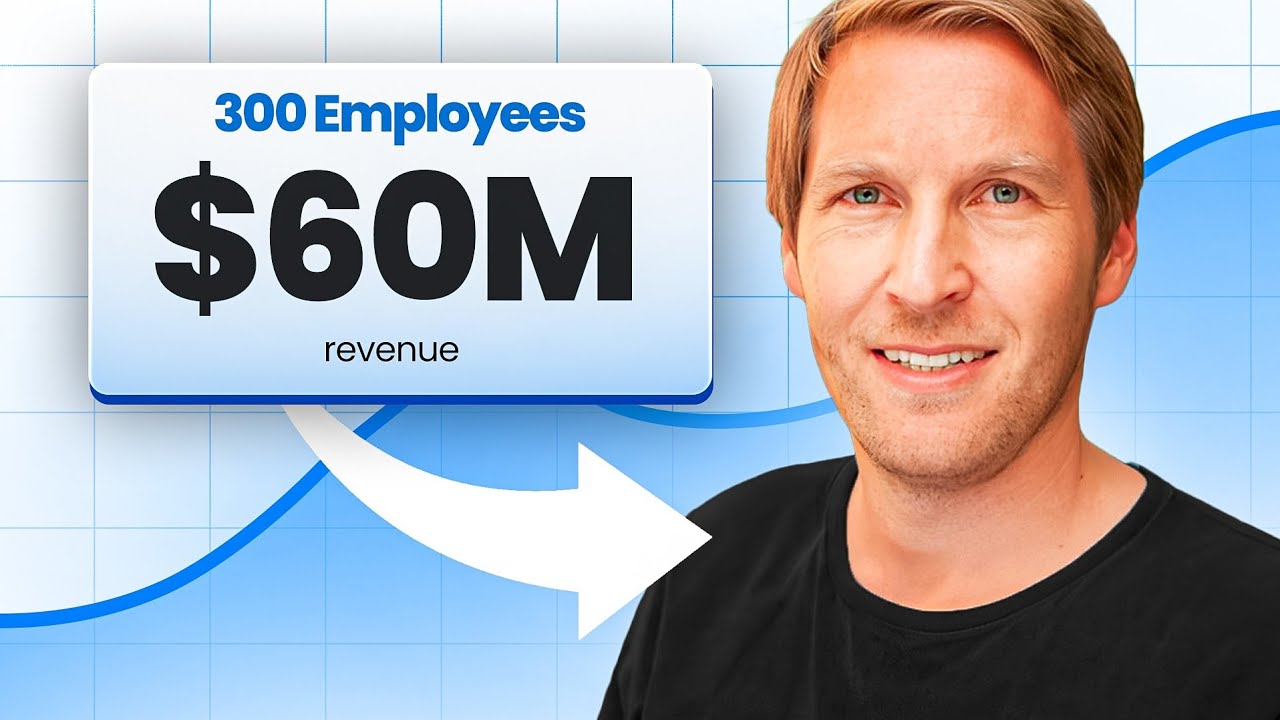
Twenty acquisitions, $60M of combined ARR and 300 people, assembled by a buyer who has never signed a deal before the money was already in the bank. Tim Schumacher on debt lines, 2–4x multiples and buying out of bankruptcy.
Mike Whitmire declined to state FloQast's revenue and gave away something more useful instead: the single metric he runs sales on, and the billing term that makes it survivable.
Every SaaS metric answers one of four questions: how big, how fast, what does a customer cost, and do they stay. Here's the whole stack in one map, with a real disclosed number attached to every definition — and links to the deep dives.
GetLatka's database has Atlassian at $1.2B for March 2019 and $250M for June 2020. Neither row is wrong — and the gap between numbers like those is the whole job of SaaS finance.
Lifetime value is the most quoted and most manipulated number in SaaS. Here's how to compute it honestly, why the standard formula flatters, and what real founders disclosed — including the CEO who defended an 11-month customer life on tape.
Niclas Lilja built Younium because Zuora was the best the market had to offer at his last company. He explains the pricing proxies, the 5x-OTE quota, and why he raises a dollar per dollar of ARR.
Somewhere between raising another round and grinding to profitability sits the least-understood instrument in startup finance. Here's how venture debt actually works — mechanics, math, and the traps — with real uses from the archive.
Most CAC benchmark posts quote surveys of anonymous companies. We have something better: what founders actually disclosed on tape — $85 at Webflow, $17K at Workboard, and the payback rules the best operators run.
Priced well, the product line does the selling; priced badly, your products compete with each other. The four patterns from our founder interviews, the design steps, and the signals the line is working.
A customer engagement score is churn's leading indicator: one number per account, computed from the events that predict renewal. Here's what goes in, how to weight it, and the back-test that keeps it honest.
A revenue model is the specific mechanism that turns your product into cash. Here are the eight that cover essentially every software company — each grounded in numbers a real founder put on the record.
Four choices sit under every churn rate anyone quotes — customers or dollars, which period, which cohort, and what goes in the denominator. Each one moves the number, as the figures mParticle, Funnel.io and AirDNA put on the record show.
Every founder quotes a growth rate; few calculate it the same way. Here's the formula, the traps, and what growth actually looked like — on the record — at $6M, $14M, $24M, $96M and $2.5B in revenue.
Stripe processed $1.9 trillion in 2025 but kept roughly $6.8 billion of it. Untangling total payment volume, gross revenue, and net revenue — with every figure dated and sourced.
Cledara's own SaaS-spend data told it to ignore the go-upmarket consensus of 2023. Three pricing and packaging changes later, pipeline nearly tripled quarter over quarter — though revenue is a different number entirely.
Run rate is the most quoted and least examined number in startup fundraising: this month times twelve. Sometimes that's the truest picture of a business. Sometimes it's a magic trick. The difference is entirely in what's being annualized.
Every founder on the show gets asked the same questions, because the same ten numbers decide whether a SaaS company is working. The 2022 edition: formulas, traps, and how the ten keep each other honest.
Annual contract value is the number that quietly decides everything else about your SaaS company: how you sell, what you can pay to acquire a customer, and how many customers you need. Here's the formula — and the real ACVs founders have disclosed on the record.
Nine founders gave nine differently-built acquisition costs — and several of the CAC figures in the record were arithmetic done on air, not numbers any company reported. Here is what actually goes in the fraction.
Grow 100% a year and you've earned the right to lose money. Grow 10% and you'd better be printing it. The Rule of 40 forces both stories onto one scale — here's how to compute it honestly, with founder-stated examples.
AI-Powered SaaS Search
Try these AI-powered queries:
Growth tactic weekly
Steal the Growth Tactics That Took These Startups from $0 to $50M
Each Tuesday, we reverse-engineer a real SaaS company's revenue, profit, CAC, funnels, and its top growth tactic.