GetLatka records Modus (gomodus.com) at $33.6M implied ARR in February 2018 — seat math from the Latka tape, affirmed by co-founder and CEO Orrin Broberg. Five years later Bigtincan bought the company for US$9.5M. Here is what the record actually supports, and where it doesn't.
The founders were too profitable to take Eugene Levin's investment, so he took a job instead. His 2024 stage interview opens the machine — perpetual affiliate fees, three-axis expansion, an IPO-day faceplant — and history added the Adobe ending.
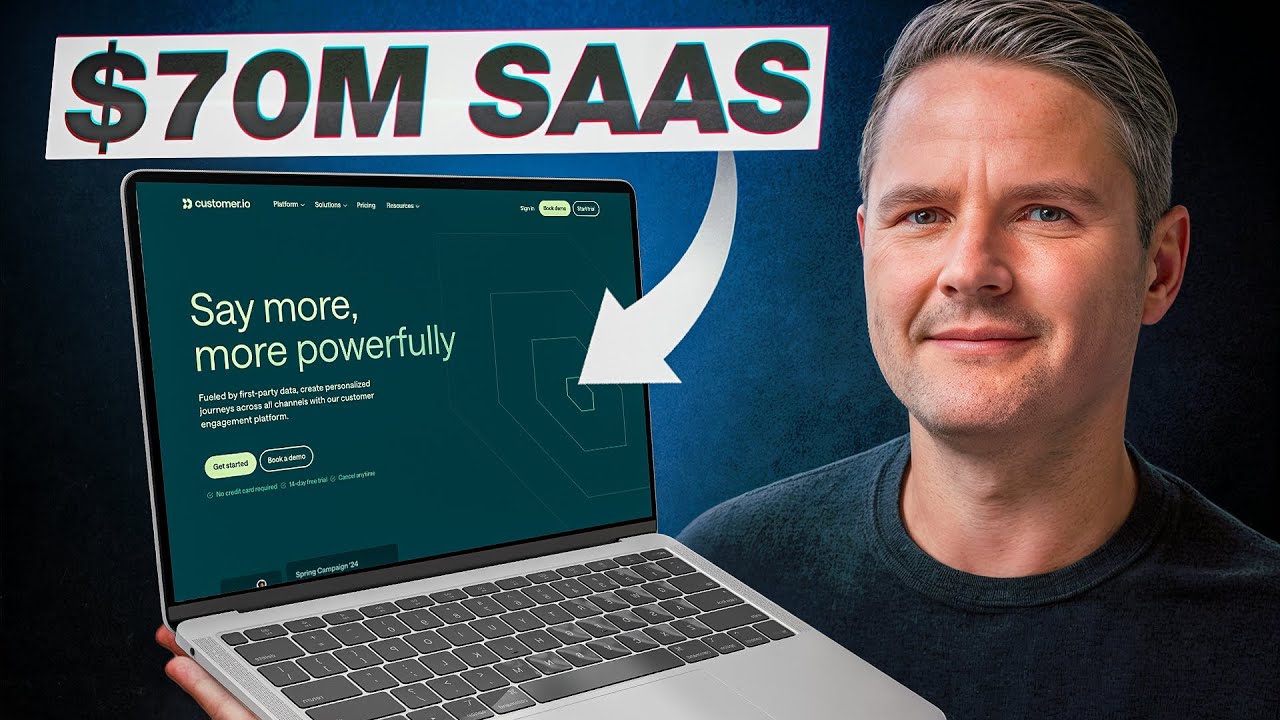
Colin Nederkoorn spent six hours of a twelve-hour outage drafting the letter that would end his company. It is one of nine mistakes he catalogues from Customer.io's run to $10 million ARR.
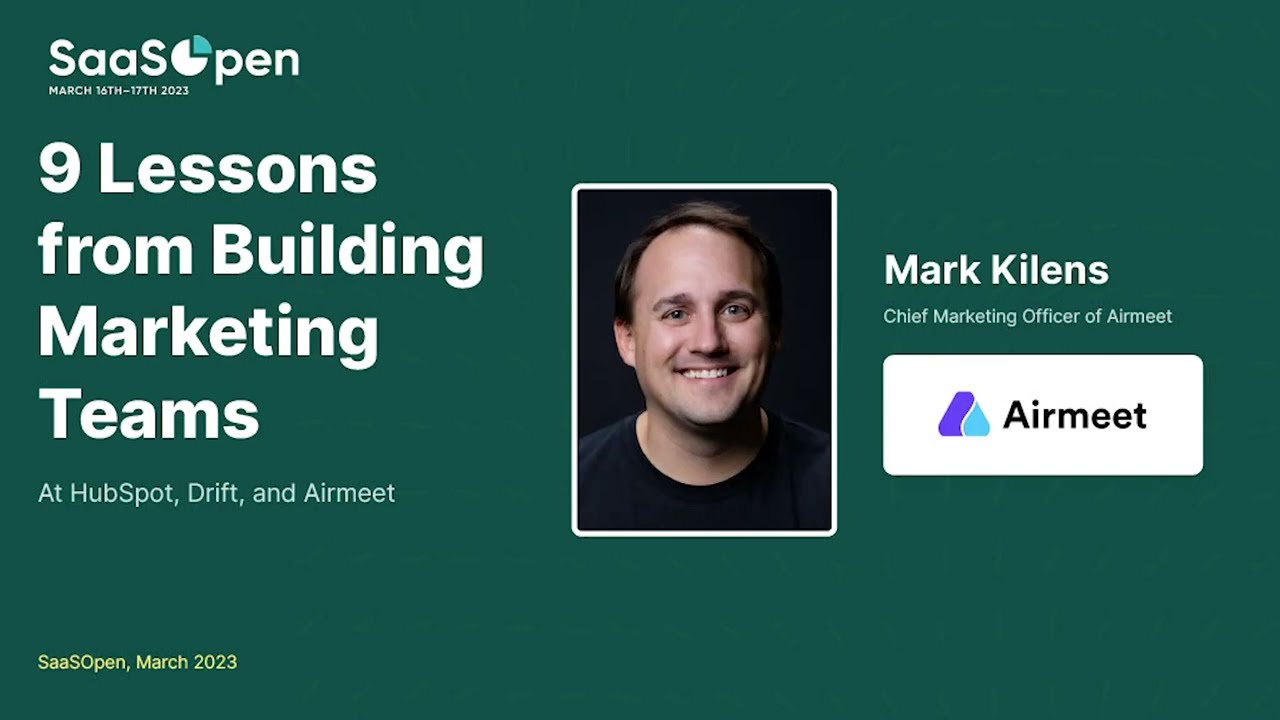
Mark Kilens went from HubSpot employee 140 to Drift to Airmeet, and the playbook he brought is almost entirely about people. Airmeet's own numbers tell a more complicated story.
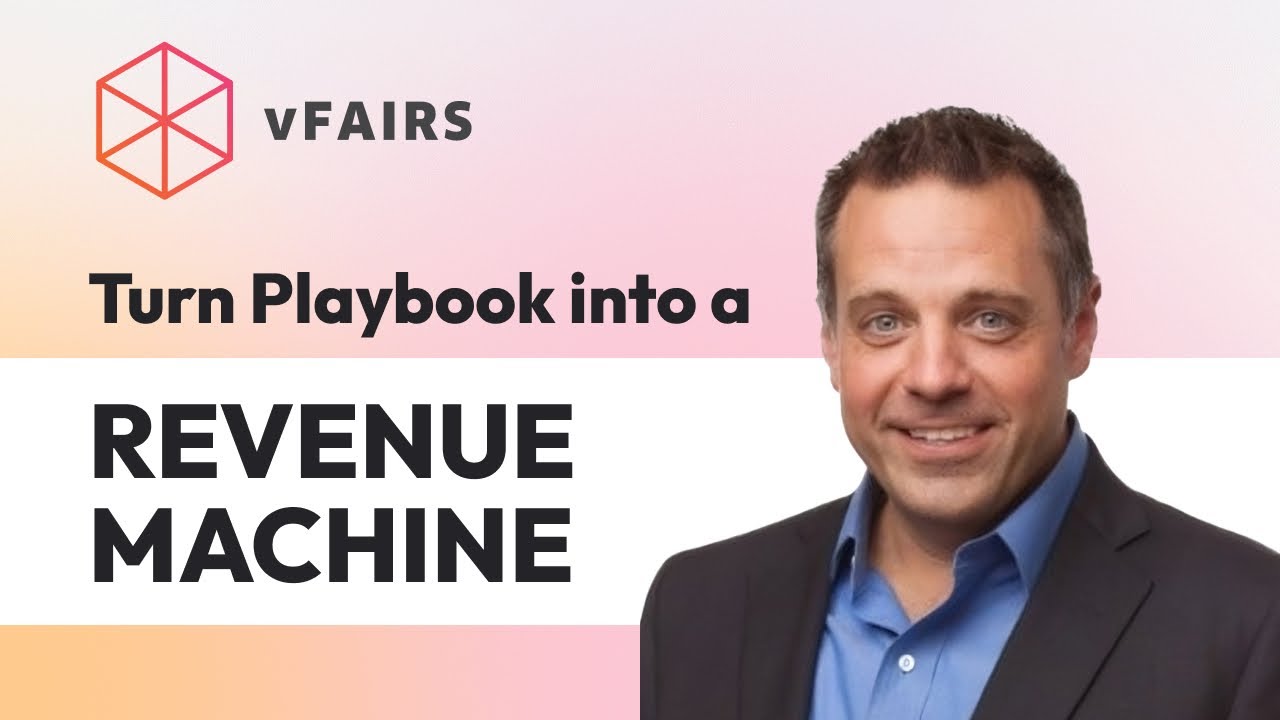
vFairs 10x’d revenue in the pandemic year on inbound alone, bootstrapped, then stalled near $30M once events went back in person. Its CRO’s answer was deal size, not demand.
Nathan Latka multiplied 130,000 customers by $250 a year on the call and got a $30M run rate. The harder number was the quarter of it that churns out annually — and the 24-month payback period Animoto uses to replace it.
Xactly's founder priced its IPO four dollars below what he wanted and sold to Vista two years later at double it. The reason he went public in the first place was the cap table.
Vivek Sharma built a “logically correct” pricing model on square pixels of email real estate, then threw it out for the one event his code could actually see. That single axis carried $30,000 landings into seven-figure accounts.
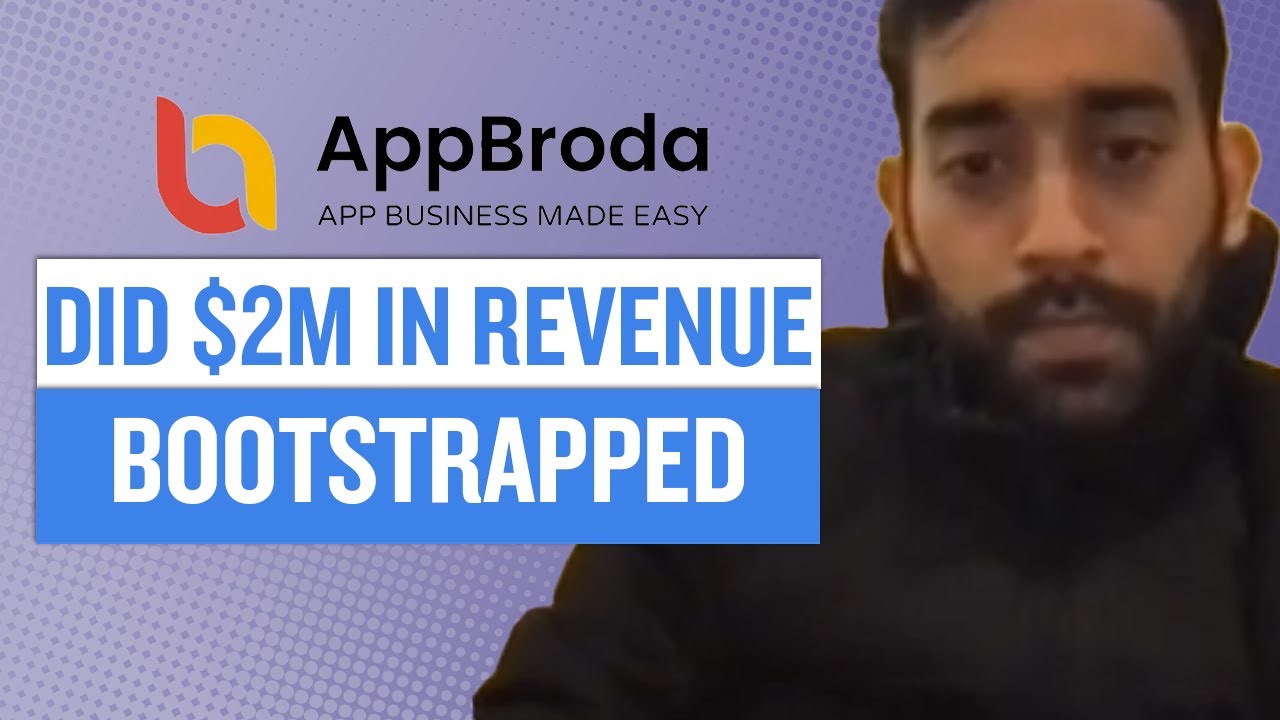
On tape in January 2023, Appbroda's Ashish Aggarwal declined to give a revenue figure. The $2M run rate got assembled anyway, out of three numbers he did give — and it is a slice of his customers' money, not a subscription line of his own.
Neil Lustig joined Sailthru as CEO seven years after it was founded, doubled the average contract, and explains the retention arithmetic that holds a $48M business together.
ConvertKit — now Kit — reached $25M revenue with no funding by engineering flywheels: creator stories that generated photography that generated backlinks that generated search traffic. Nathan Barry explained every gear on tape, including the profit-sharing spreadsheet.
Bruce Buchanan found his company inside his last one: airline checkout pages that doubled profitability when the right offer appeared after purchase. Rokt turned that thirty-second window into a $200M business — and explained its accounting more honestly than any founder we've taped.
Chorus charged almost nothing in 2016 and was carrying $8.4M a year later, with under $50,000 a month in paid spend and a head of marketing hired weeks before this tape. The channel was the product itself.
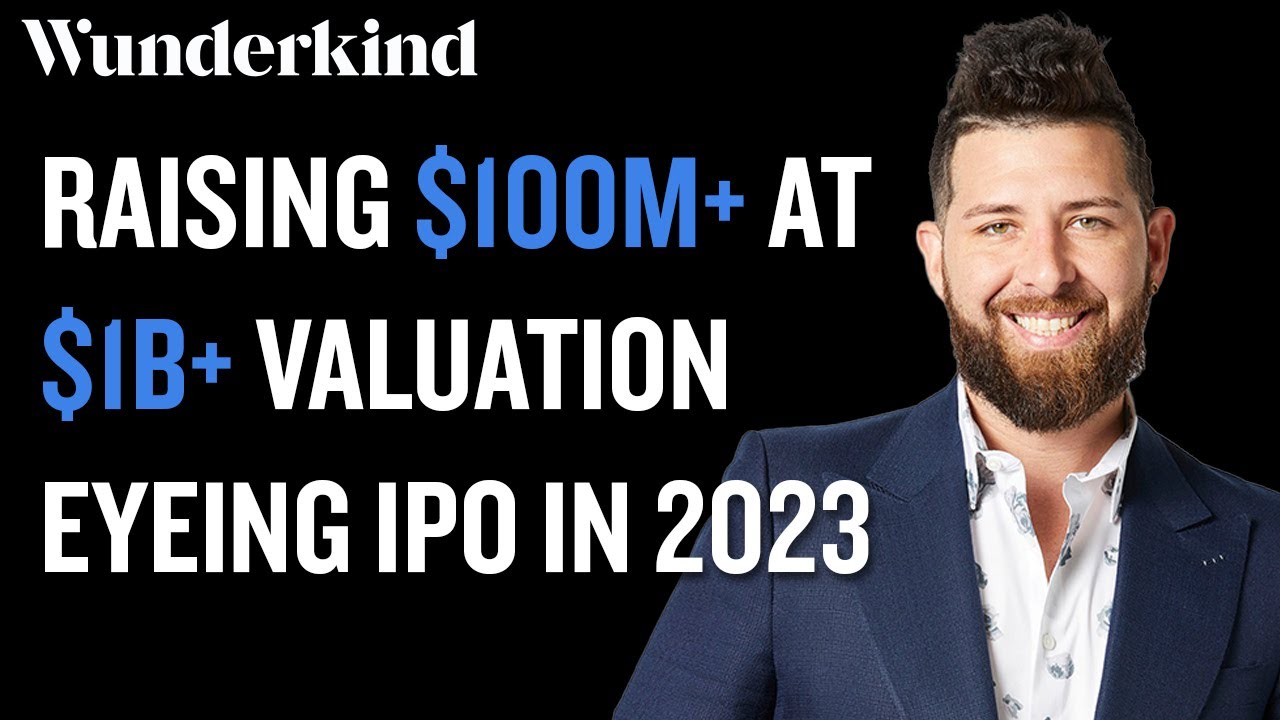
Wunderkind crossed $100M in annual revenue in early 2020, and Ryan Urban called $150M 'in the ballpark' in late 2021 — but the old version of this post got the dates and the claim wrong. Here is the sourced two-era revenue story, from BounceX to today.
Jason Zintak inherited four quota-carrying reps and 30 customers, and refused to hire more until attainment proved the product fit — then tripled bookings three years running at $1.10 per new dollar of ARR.
ActiveCampaign last confirmed $165M ARR in April 2021. By mid-2024 its CMO was citing $250M. Casey Hill told Latka in July 2024 how LinkedIn, podcast guesting, and performance-paid influencers power the growth program — and why the company won't confirm the number.
Surefire Local reached $26 million in ARR on about six million dollars of equity, by using debt at every step and refusing the dilution that comes with the alternative.
Sarah Bird told Latka in July 2019 that Moz ended 2018 around a $60M run rate — built on a self-serve cohort with 5.5x LTV:CAC, 80% early churn she refused to apologize for, and just six quota-carrying reps.
The old headline said Upfluence hit $9 million ARR. On the December 2018 Latka tape, co-founder Kevin Creusy corrected that math: SaaS ARR was about $4 million, and agency services added about $2 million, for roughly $6 million in total revenue.
Mike Dickerson told Latka in December 2018 that ClickDimensions would close the year at about $40M ARR, sold almost entirely through 650 Microsoft Dynamics partners on a 21% margin. Here is the tape's math, what the old post got wrong, and what happened after Accel-KKR sold the company.
Gong said its ARR passed $500M in April 2026, up more than 55% year over year. Here is the dated revenue record from $6M in 2018 — what's company-stated, what's estimate, and where the numbers disagree.
Lenny's Newsletter is the benchmark every paid-newsletter founder measures against — but its ARR has only ever been disclosed in fragments. Here's the dated paper trail, assembled, with the arithmetic labeled.
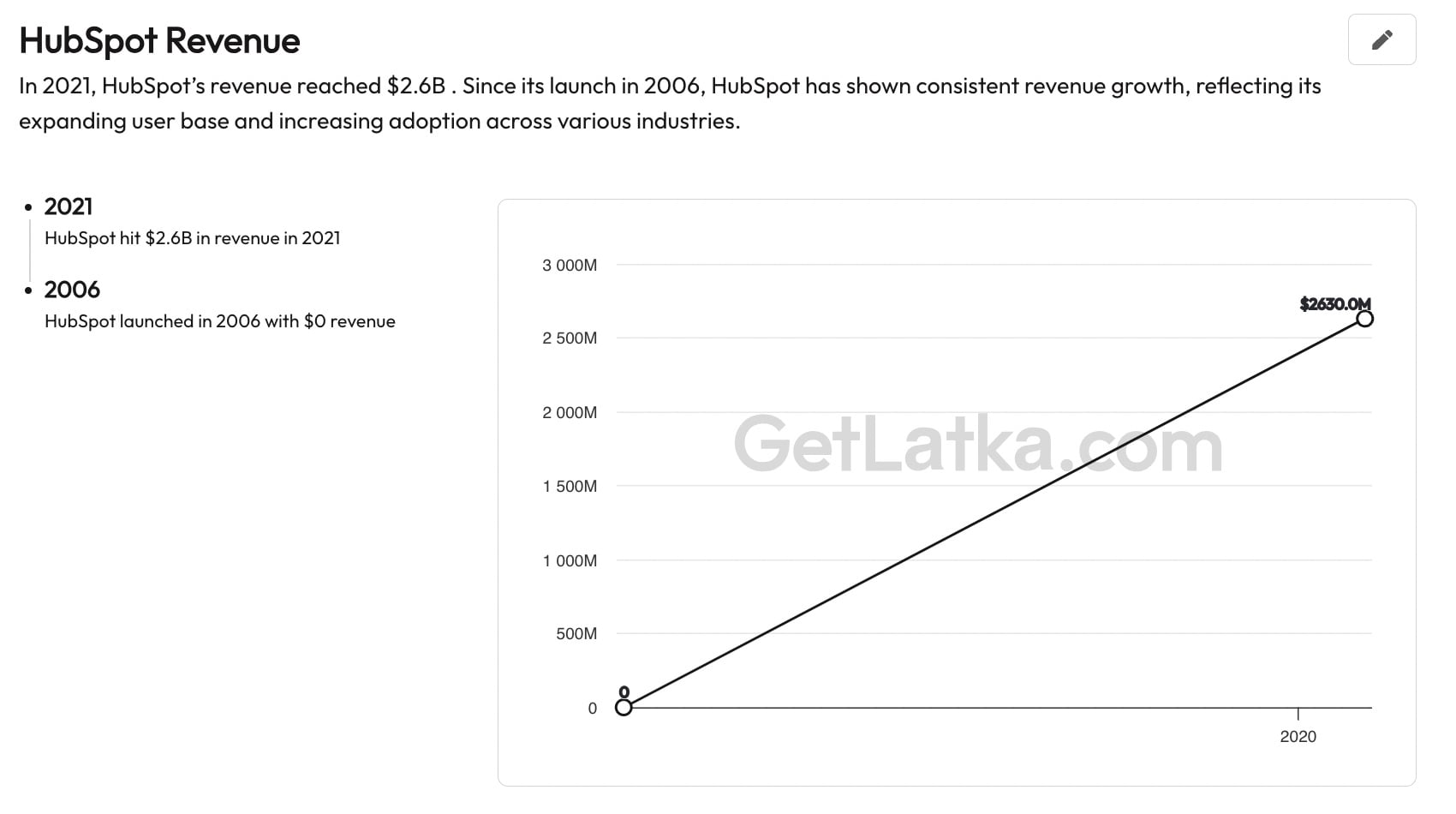
HubSpot reported $3.13B in 2025 revenue, up 19%, with 288,706 customers at year end. It guided 2026 to $3.7B — and the market cut its valuation in half anyway. The filed numbers, year by year.
In August 2019 Rytis Lauris was billing 7,200 merchants $75 a month and had just turned down a strategic buyer. Five years later Omnisend was a $50M ARR company that had still raised only $1.6M.
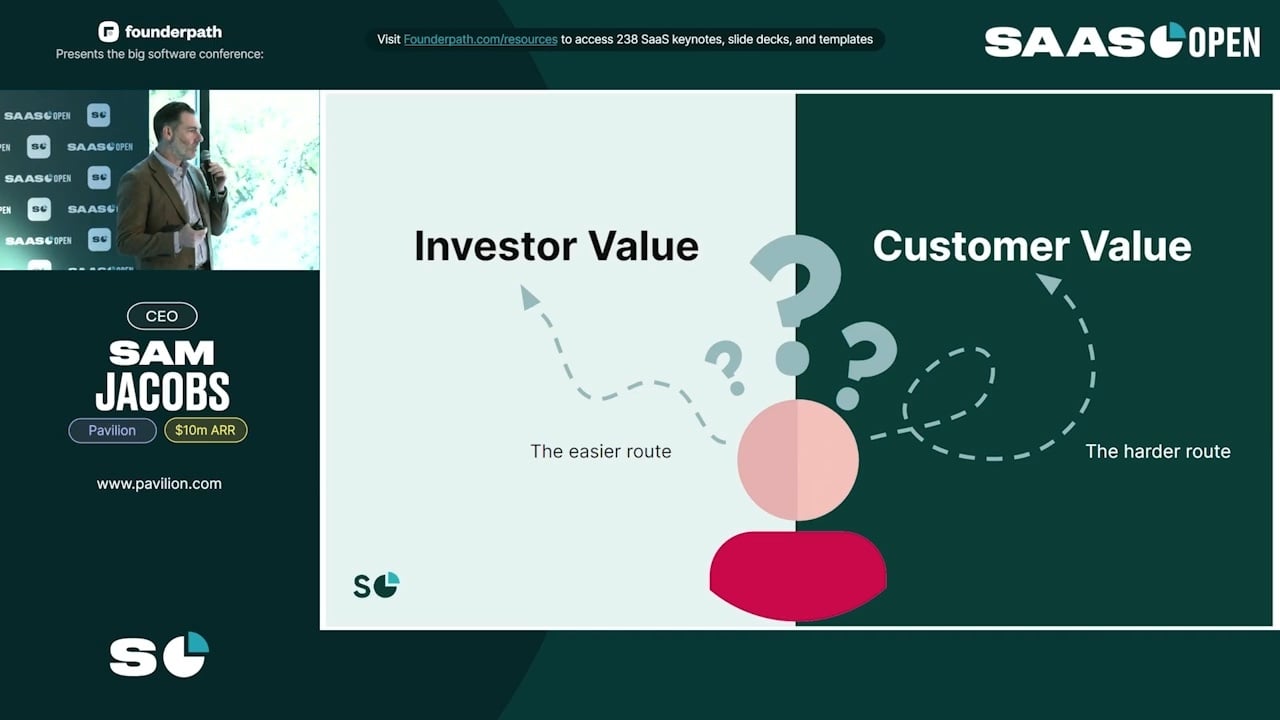
Pavilion's revenue reached $11M as of March 2024. Sam Jacobs raised $25M from Elephant in 2021, burned $8M chasing growth, then cut headcount from 62 to 27 to get the community business back to cash-flow positive.
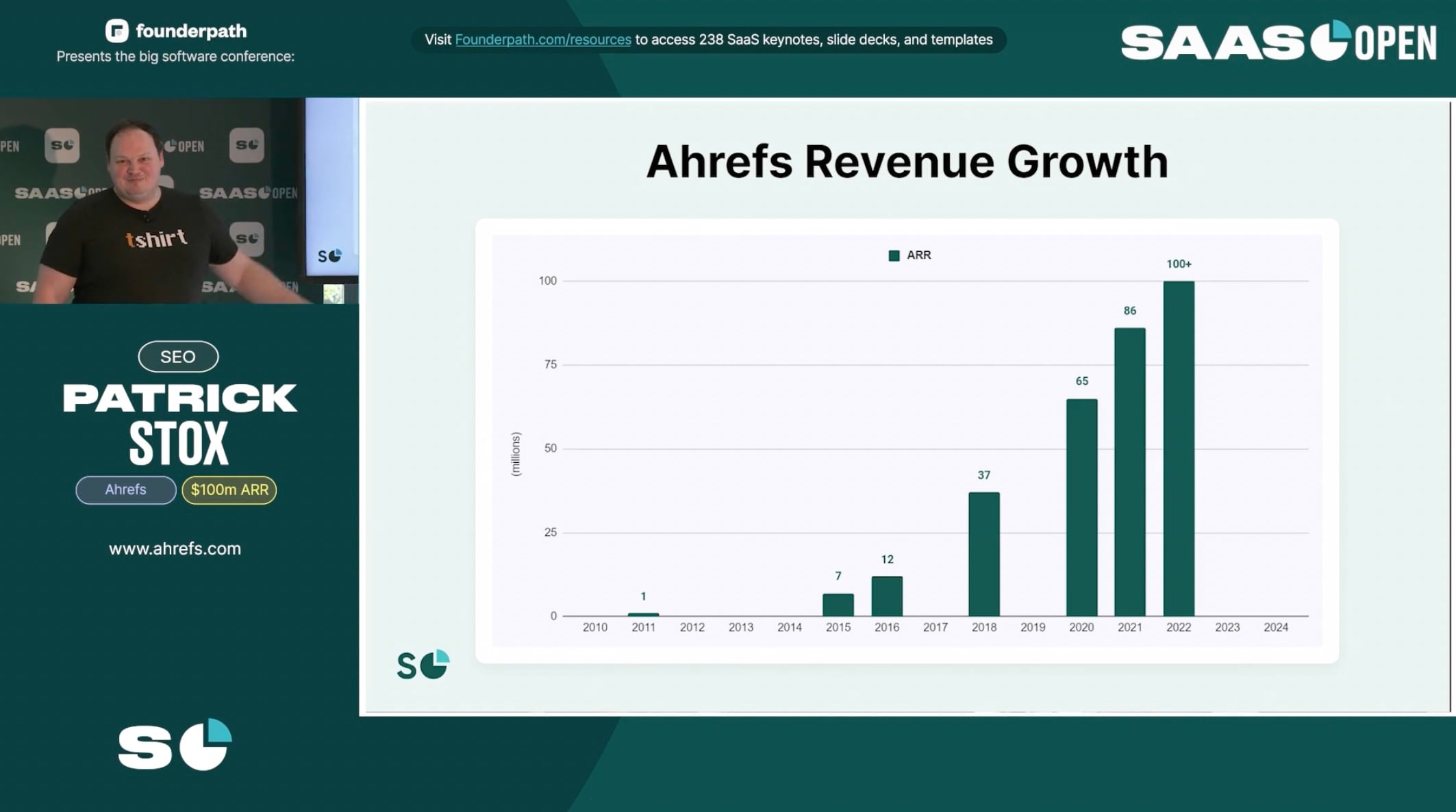
No sales team until $100M ARR, a killed $7 trial, programmatic short-form only, data on every surface: nine operating lessons from Patrick Stox's March 2024 SaaSOpen talk on how Ahrefs grew from a $300K bootstrap, each anchored to what was actually said.
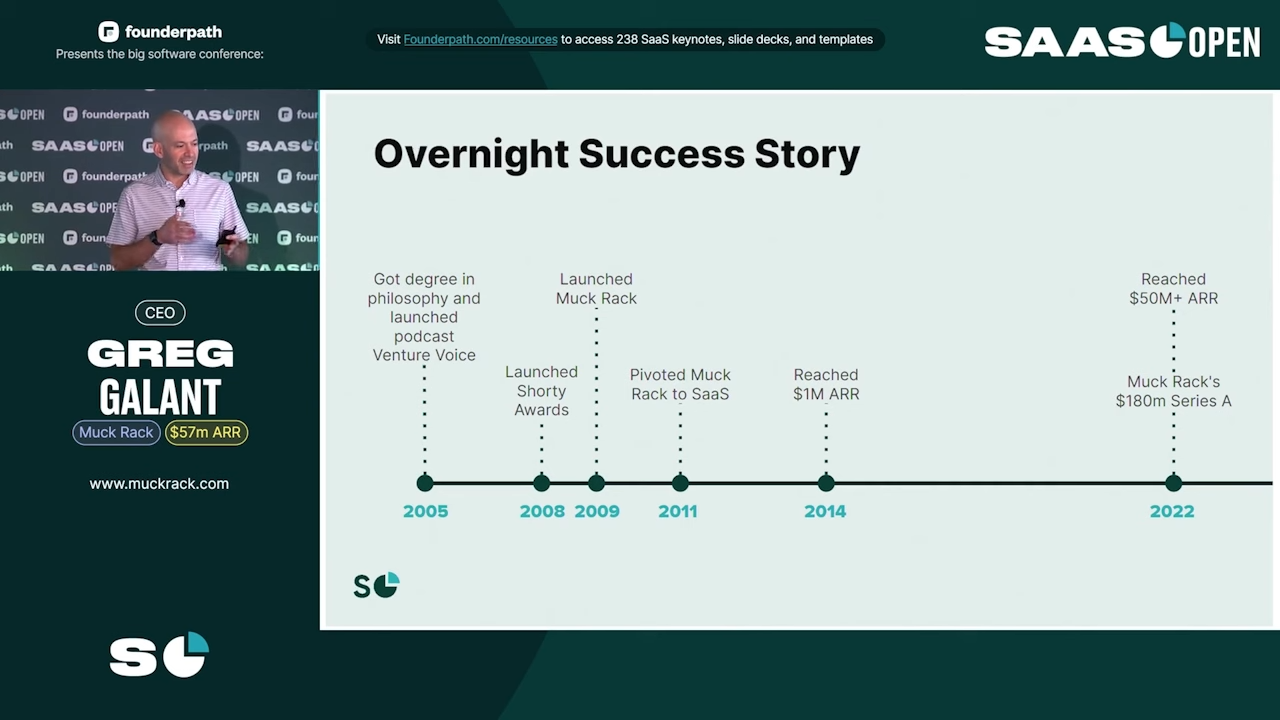
2005: Launched Venture Voice Podcast, interviewing other founders 2009: Launched Muck Rack, initially as a platform for journalists to showcase their social…
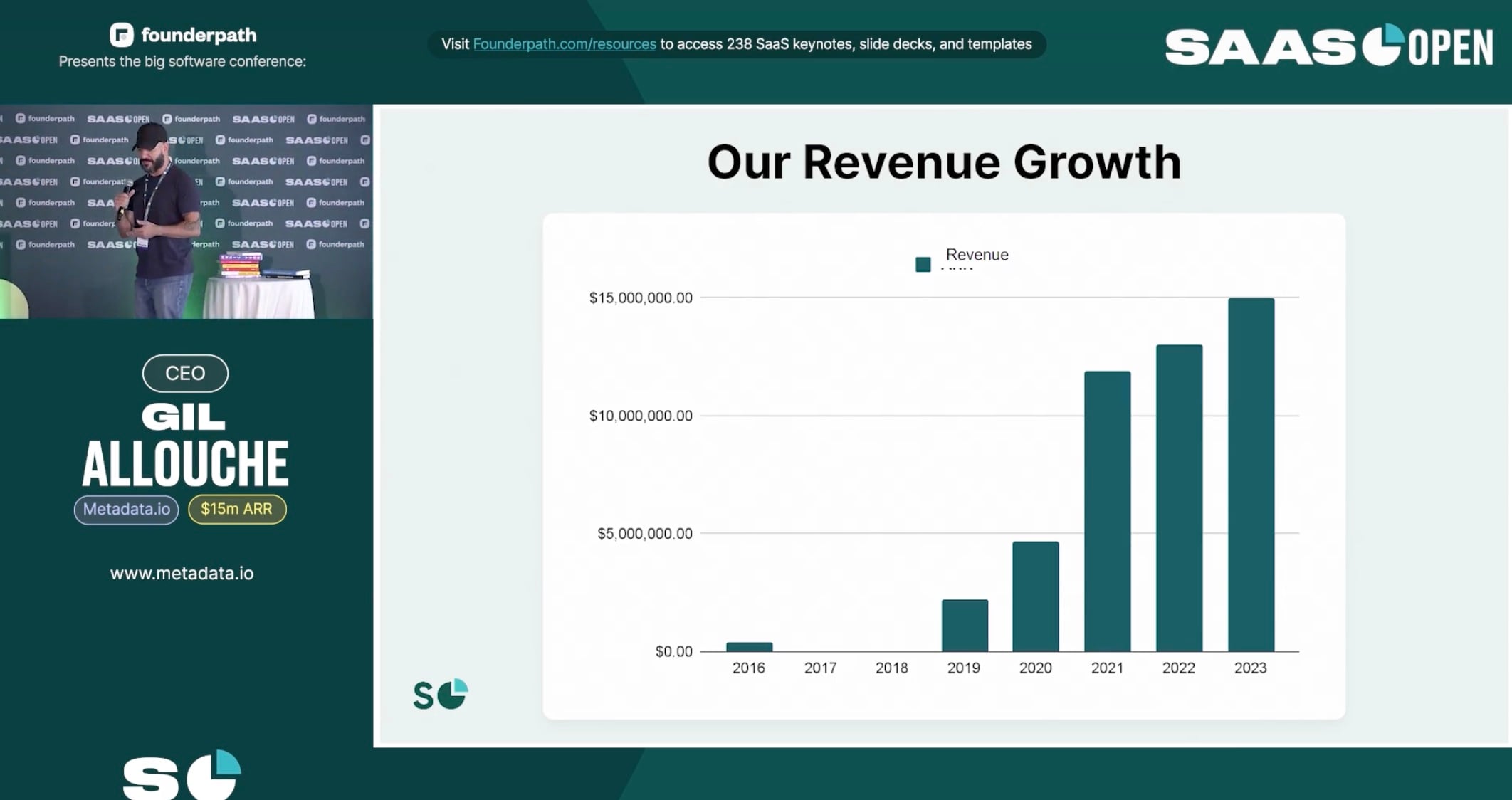
Metadata.io reached $15M ARR in March 2024, per founder Gil Allouche — nine years after founding, and four after the bank balance hit $25. The dated timeline, the funding record where it disagrees with itself, and the four playbooks that drove the run.
Nathan Latka introduced him as bootstrapped. Jim Yu's first move on stage was to correct it — then explain the five-day calendar that carried BrightEdge from $22.59M to $100M with nothing new raised.
COVID killed the physical events SpotMe was built on and churned roughly half its 250 customers. Recurring revenue doubled anyway — because the disaster finished a services-to-SaaS conversion the company had only started in 2019.
In two years Rock Content's average contract went from $2,000 to $20,000. Diego Gomes did it by moving the small customers to self-service and letting them self-select out.
Page 1 of 2
AI-Powered SaaS Search
Try these AI-powered queries:
Growth tactic weekly
Steal the Growth Tactics That Took These Startups from $0 to $50M
Each Tuesday, we reverse-engineer a real SaaS company's revenue, profit, CAC, funnels, and its top growth tactic.