Recurring revenue is the load-bearing test for what counts as a SaaS company — and the interesting part is where it stops being obvious. Nine companies, with dated figures, at the edges of the definition.
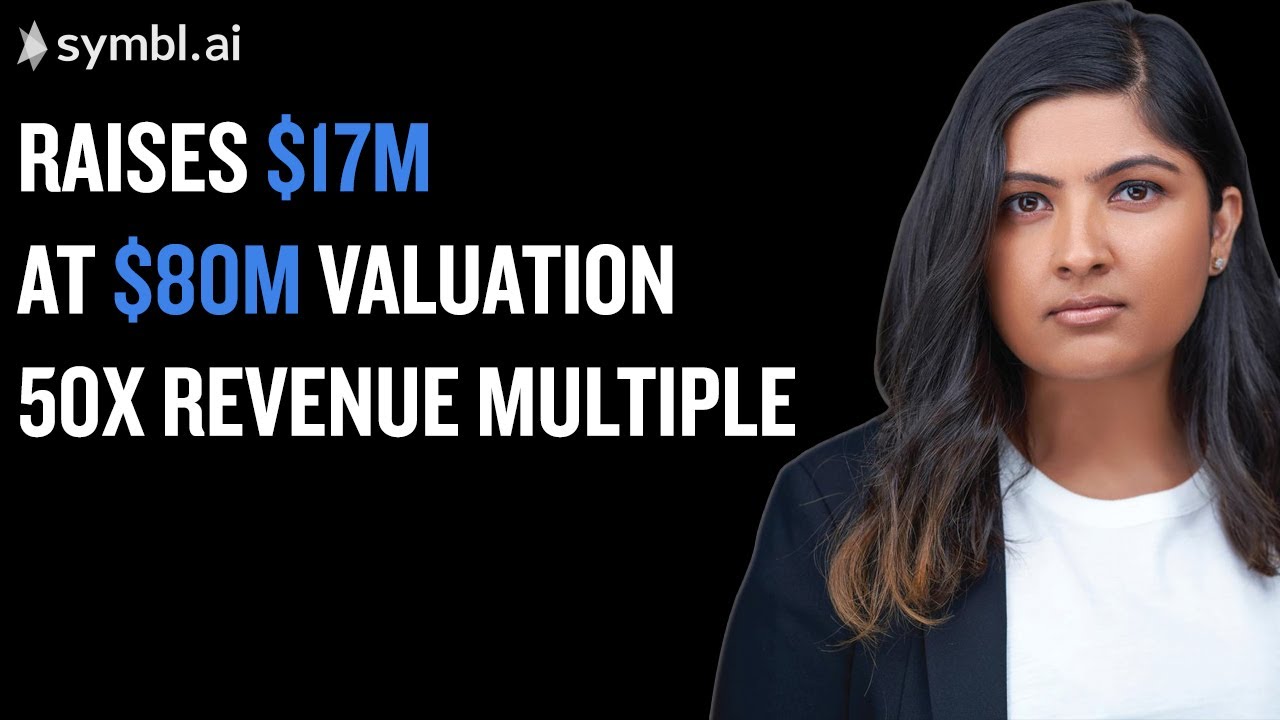
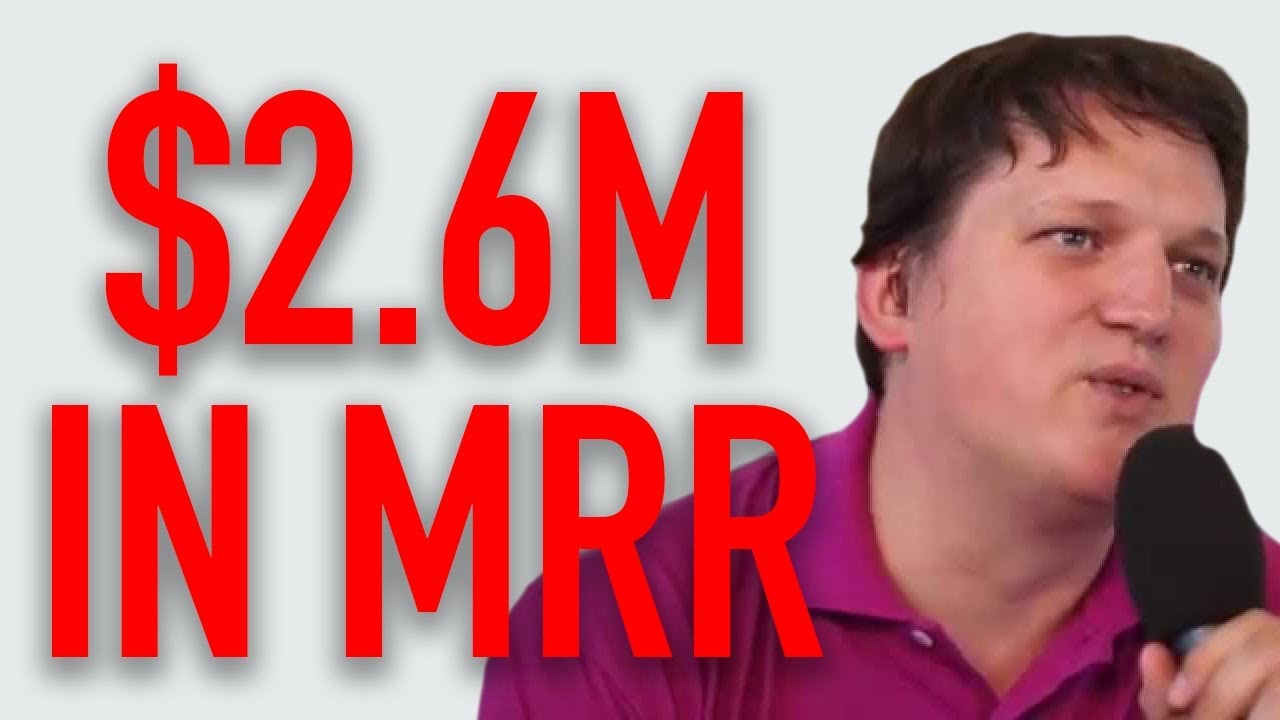
An $80 million valuation at a 50x multiple leaves only one possible revenue figure. Surbhi Rathore on usage pricing, 125% NDR, and what a round like that is really priced on.
Salad pays gamers for idle GPU time, takes a 23% margin on rewards, and mined web3 protocols to solve the two-sided market problem. Bob Miles walked through the whole machine — mid-raise, at a $70M valuation, on a $5M run rate.
Zeb Evans wouldn’t give ClickUp’s revenue on tape — Nathan Latka pegged it at $80M and the episode title said $85M. The only figure he committed to was next year’s: more than $200M.
RevGenius is the world’s largest and fast-growing community of revenue operations (RevOps) professionals. A RevOps professional integrates sales-funnel efforts with marketing campaigns…
COVID killed the physical events SpotMe was built on and churned roughly half its 250 customers. Recurring revenue doubled anyway — because the disaster finished a services-to-SaaS conversion the company had only started in 2019.
Billbee bills small online sellers seven cents an order. In October 2020 that added up to 180k a month across 9,000+ customers, grown roughly 70% in a year by other companies’ app stores rather than by a sales team.
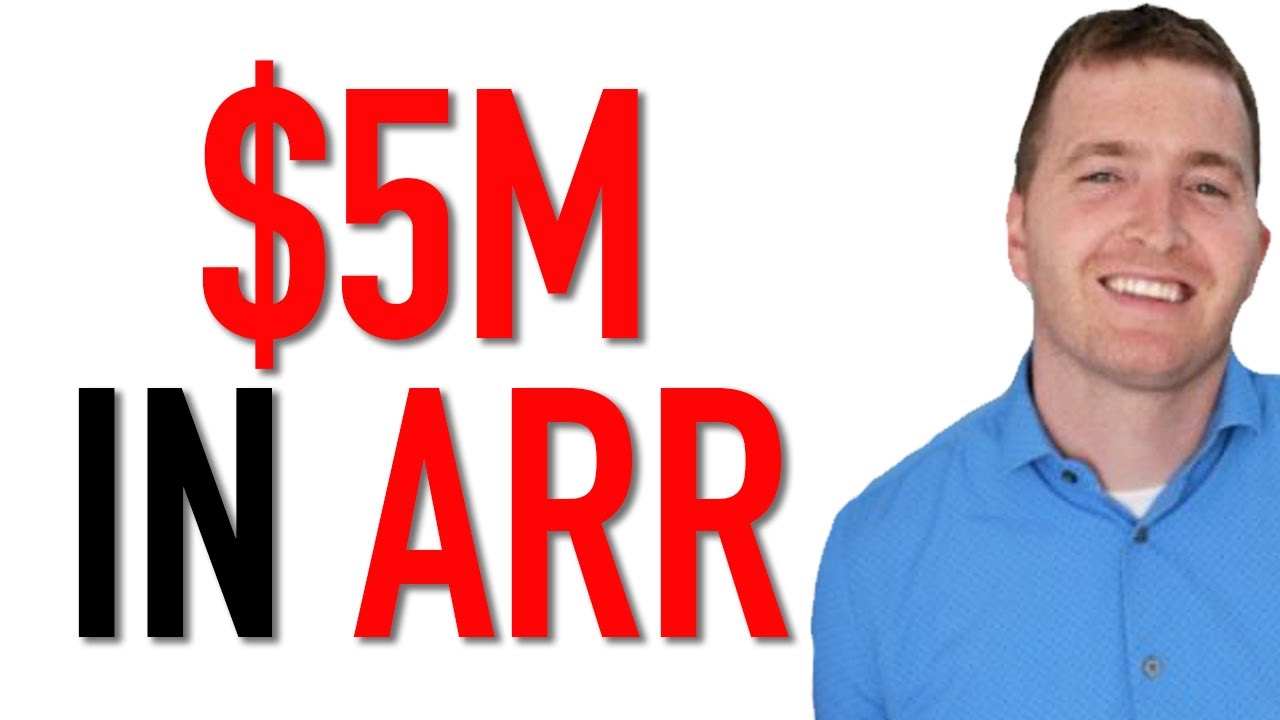
Doist’s growth curve was almost flat until native mobile apps landed. By October 2020, its founder said, the bootstrapped $5-a-month to-do list had passed $10M in ARR, on a lifetime value of about $100.
Weebly’s $24 million run rate was never disclosed — it was reverse-engineered live from two numbers David Rusenko let slip. Here’s what the arithmetic assumed, and what Square’s acquisition filing later showed it missed.
In two years Rock Content's average contract went from $2,000 to $20,000. Diego Gomes did it by moving the small customers to self-service and letting them self-select out.
Annual contract value is the number that quietly decides everything else about your SaaS company: how you sell, what you can pay to acquire a customer, and how many customers you need. Here's the formula — and the real ACVs founders have disclosed on the record.
In his 2019 interview, CEO Fredrik Skantze put Funnel.io at about $670,000 a month, “just $8,000,000 in annualized revenue,” from 700 customers. In January 2020 the company closed a $47 million Series B.
G2 lets vendors list for free and ranks them purely on reviews. The revenue comes from selling those vendors the buyer data underneath — at up to seven figures a year.
Zapier's founder states two numbers on tape: 100,000 paying customers and $50M in ARR, on roughly a million dollars raised. The three million subscribers and the doubled lifetime value are somebody else's arithmetic.
Vista paid about $600M for Ping Identity in 2016. Three years later it filed to go public on roughly $195M of revenue, with 1,000 employees and 60% of its business running through the channel — and a $3B number in the press.
Nine founders gave nine differently-built acquisition costs — and several of the CAC figures in the record were arithmetic done on air, not numbers any company reported. Here is what actually goes in the fraction.
Grow 100% a year and you've earned the right to lose money. Grow 10% and you'd better be printing it. The Rule of 40 forces both stories onto one scale — here's how to compute it honestly, with founder-stated examples.
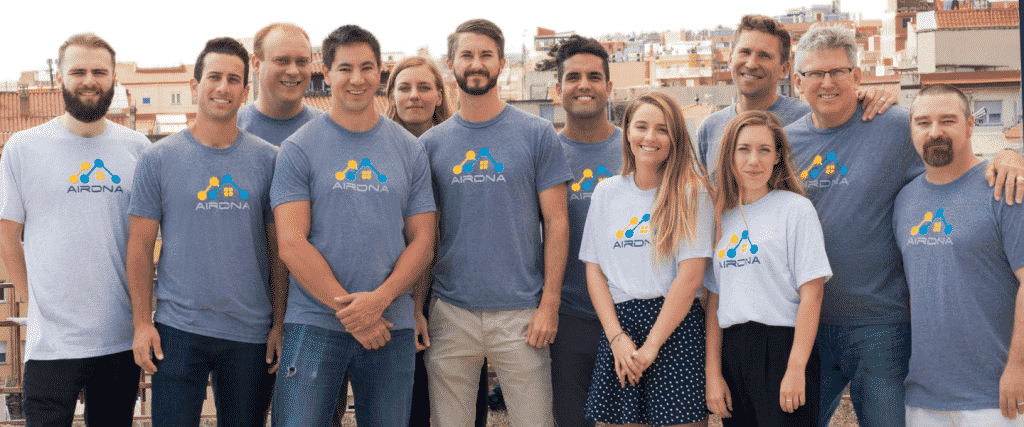
Three ex-Google founders who all code and all sell built a $5.2M sales engagement business on $3.8M of capital — and the first $800,000 of it bought profitability.
Qualtrics was days from pricing its IPO when SAP offered $8 billion in cash for the whole company. Here is what that bought, measured against the numbers on file.
Skillshare had 17,000 classes, 3.5 million registered users and more than 100,000 paying members in late 2017. The catalogue wasn’t the marketing — it was the churn fix.
Page 7 of 7
AI-Powered SaaS Search
Try these AI-powered queries:
Growth tactic weekly
Steal the Growth Tactics That Took These Startups from $0 to $50M
Each Tuesday, we reverse-engineer a real SaaS company's revenue, profit, CAC, funnels, and its top growth tactic.