Workable's Biggest Customer Pays Six Figures. On Purpose.
Workable turns down million-dollar contracts deliberately, because winning them would cost the company the segment it already leads. Its CEO explains the trade.

Latka Blog
244 articles on SaaS revenue, growth playbooks, and founder interviews from the Latka blog.
Workable turns down million-dollar contracts deliberately, because winning them would cost the company the segment it already leads. Its CEO explains the trade.
A hardware reseller keeping four per cent of $100 million sounds like a bad business. Kevin Price has spent 24 years turning that four per cent into software exits.
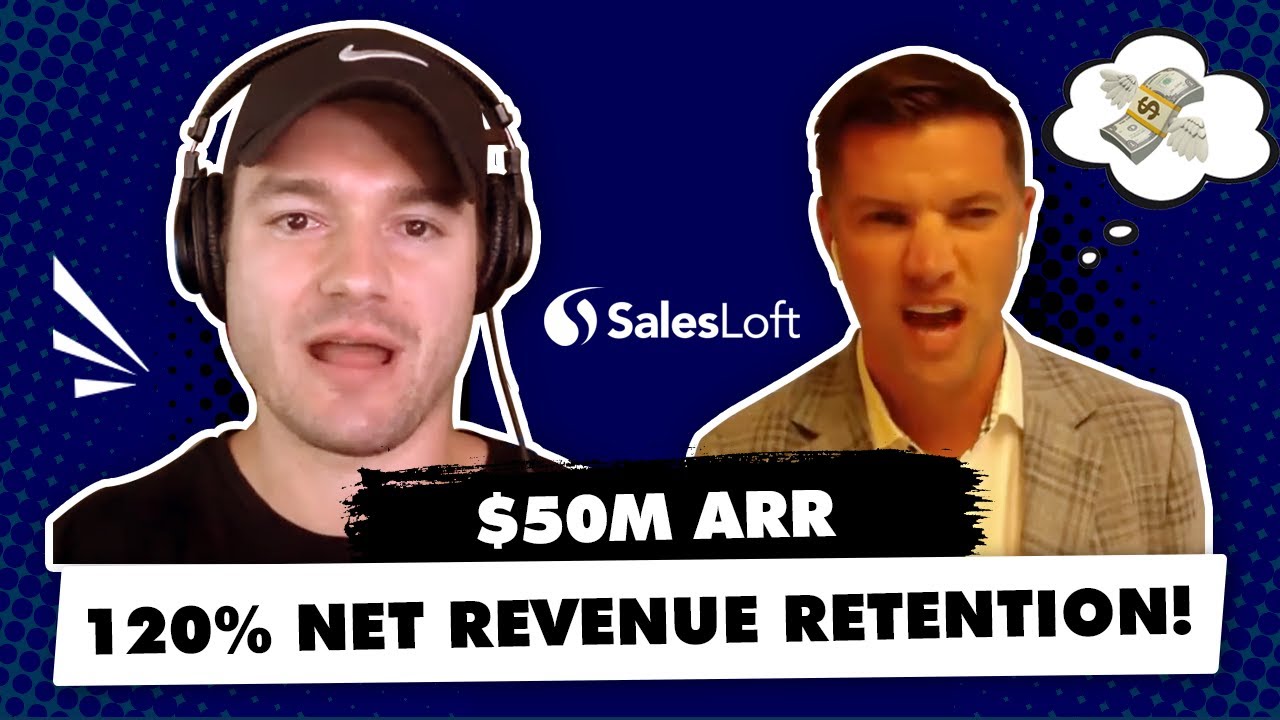
In July 2019 Kyle Porter put Salesloft at about $50M ARR, doubling with 120% net revenue retention, after he cancelled a $7M data product to build it. He forecast $100M for 2020. The company passed $100M ARR in early summer 2021, months before Vista took a majority stake at $2.3B.
Yellow.ai bills by the minute of phone call it handles, and spends its R&D budget making those calls unnecessary. Its CEO explains why that isn't a problem yet.
Ignition sells software to accountants and moves their money. Only one of those two lines expands on its own, and it is not the software.
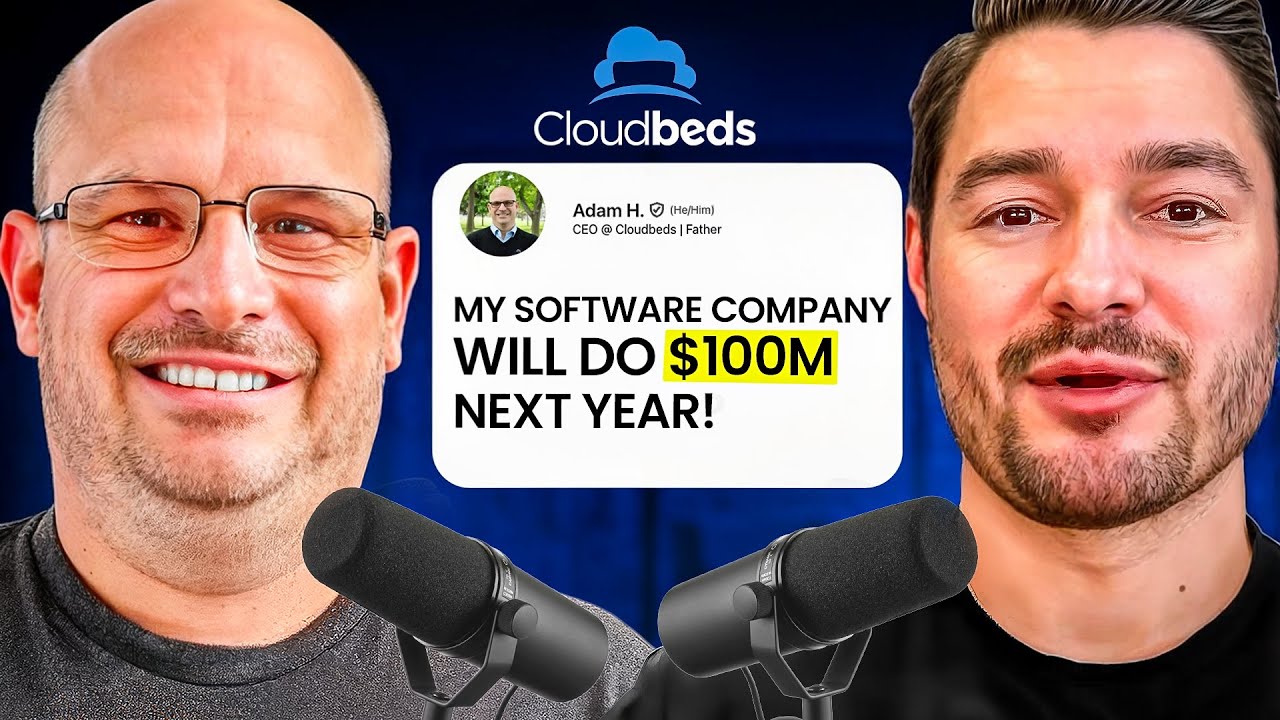
Cloudbeds grew from $10M to $50M+ by consolidating the 18 systems a hotel runs on. The next act, Adam Harris explained on tape, is the money itself: payments, direct bookings at a sub-5% take, and a $87B intermediary-fee pool to raid.
Amiad Soto did not want to quote a price. What he eventually gave is the clearest published account of how Guesty makes money — and where it sits between homeowner and property manager.
Chorus charged almost nothing in 2016 and was carrying $8.4M a year later, with under $50,000 a month in paid spend and a head of marketing hired weeks before this tape. The channel was the product itself.
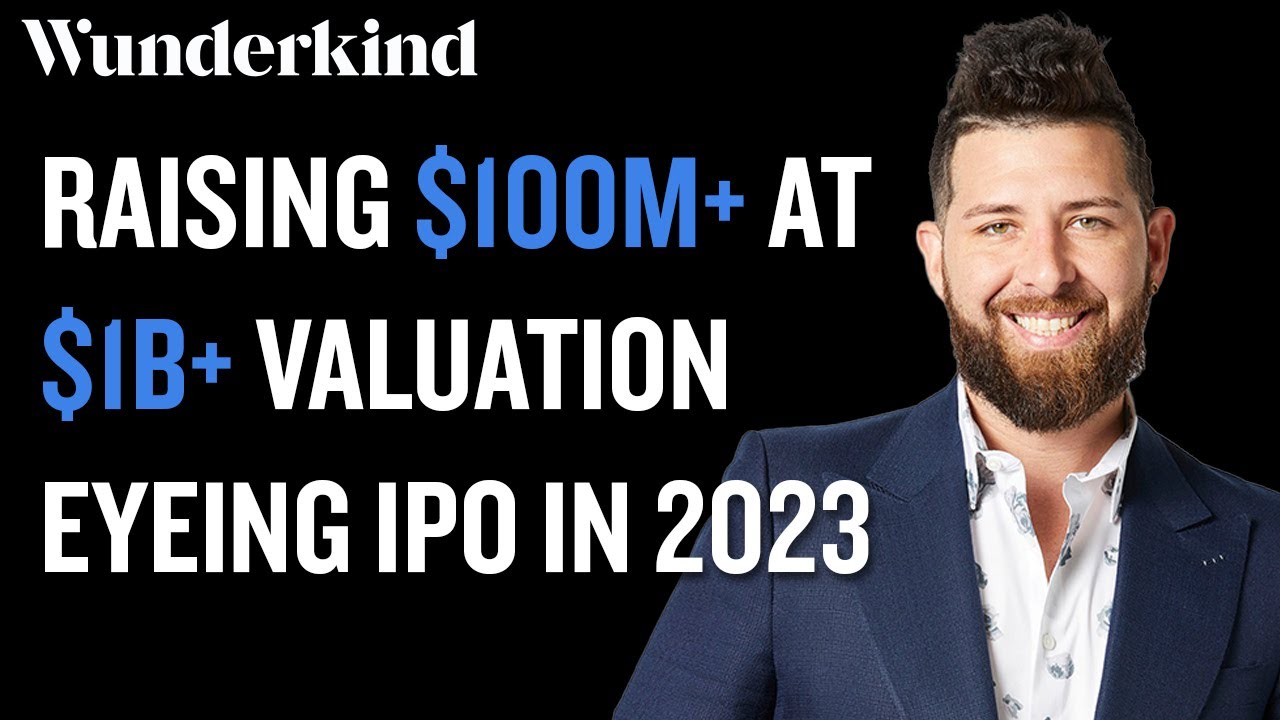
Wunderkind crossed $100M in annual revenue in early 2020, and Ryan Urban called $150M 'in the ballpark' in late 2021 — but the old version of this post got the dates and the claim wrong. Here is the sourced two-era revenue story, from BounceX to today.
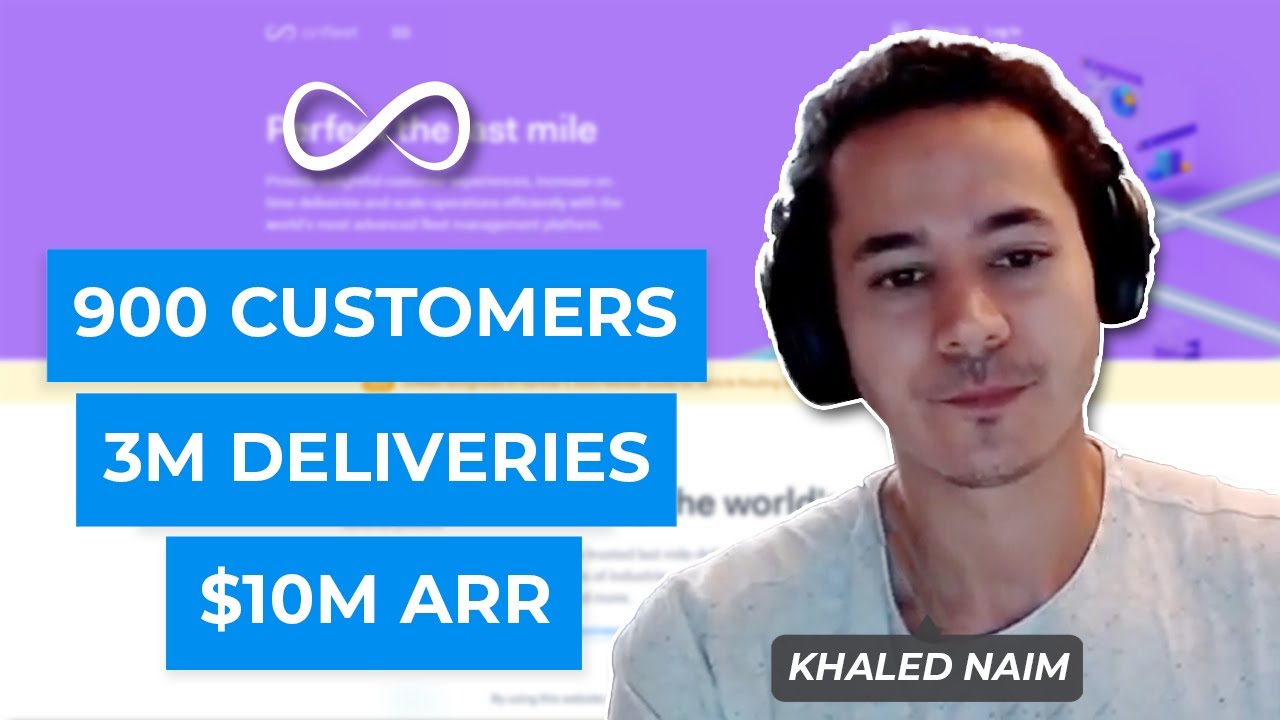
In August 2020 Onfleet's CEO confirmed Latka's math: about $800K a month from roughly 900 customers paying about $900 each. Those customers ran over 3M delivery tasks a month through Onfleet's software with their own drivers or couriers, and Onfleet took no cut of the orders.
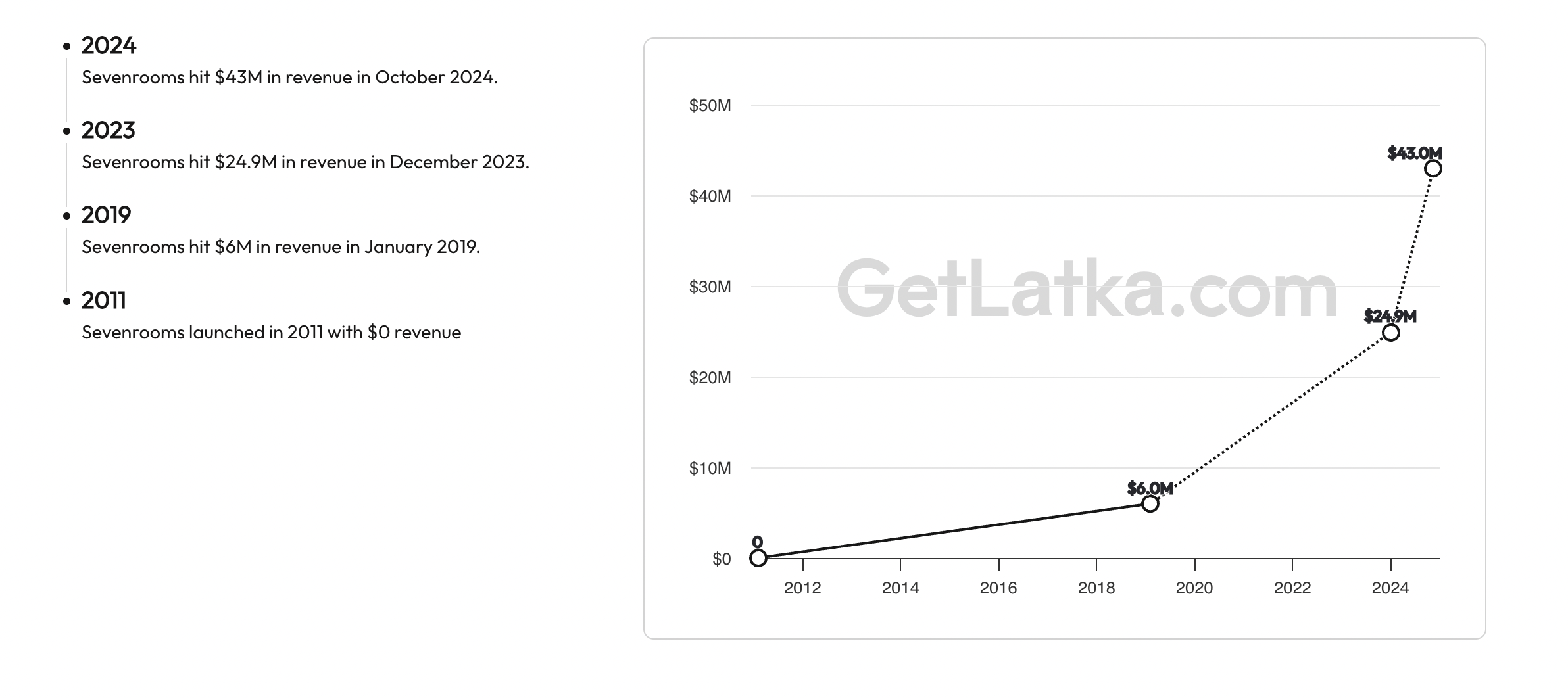
In October 2018, SevenRooms co-founder and CTO Kinesh Patel confirmed to Latka a revenue floor north of $500K MRR — not the $10M ARR our old headline claimed. Here's what the tape actually says, and how the story ended in a $1.2B DoorDash acquisition.
Typeform raised about $52M across four rounds, reached a $40M-plus run rate, and still had the whole $35M Series B sitting in the bank three and a half years later. Co-founder David Okuniev explains what that paid for.
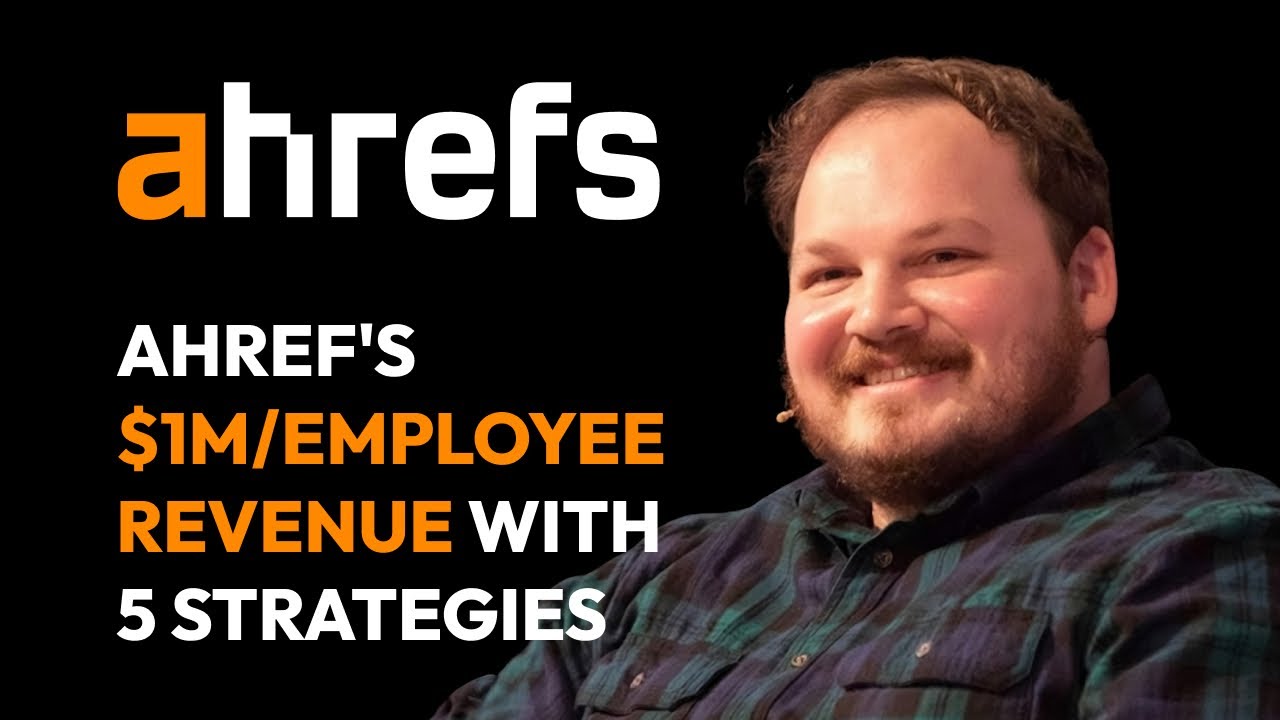
Ahrefs grew from a $300K bootstrap in 2010 to roughly $100M ARR by 2021 — and an estimated $149.1M in 2024 — with zero funding and no sales team until the very end. Patrick Stox laid out the numbers at SaaSOpen in March 2024. Here is the dated record.
Four founders, equal equity, a site launched in 14 days — and by month seven, $8M a month in revenue on a 2% take of $400M in NFT trading volume. Jack Lu's May 2022 interview is a time capsule of the fastest revenue ramp we've ever recorded.
Jason Zintak inherited four quota-carrying reps and 30 customers, and refused to hire more until attainment proved the product fit — then tripled bookings three years running at $1.10 per new dollar of ARR.
Igor Marinelli told Latka in December 2021 that Tractian had just hit $100K MRR — 10x in a year — on a $45-per-sensor model. Here's the real math behind the $1M milestone, and the roughly $200M in funding that followed.
TeamSnap's only published revenue figures are $12.3M for 2017 and $18.9M for 2018, reported to ICIC's Inner City 100. In July 2020 Dave DuPont wouldn't give Latka a newer number and said he expected 2020 to match 2019. That was a forecast, not a result.
ActiveCampaign last confirmed $165M ARR in April 2021. By mid-2024 its CMO was citing $250M. Casey Hill told Latka in July 2024 how LinkedIn, podcast guesting, and performance-paid influencers power the growth program — and why the company won't confirm the number.
Productsup spent four years as an agency, then rebuilt as pure software with exactly one pricing lever. Expansion of 25-30% comes from customers loading more SKUs, and nothing else.
Mike Whitmire declined to state FloQast's revenue and gave away something more useful instead: the single metric he runs sales on, and the billing term that makes it survivable.
WebPT built a $42 million business on a single million dollars of capital, and the 2014 private equity deal everyone calls a raise put no new money into the company at all.
Jellyvision told Latka in November 2018 it had passed $60M ARR with 1,400 employer customers and 18 million employees on ALEX — on just $6.6M of primary capital. One correction first: the CEO is Amanda Lannert, not "Amanda Leonard."
HackerEarth's CEO pays customer success managers on retention and never on expansion, because a quota can be hit while a fifth of the accounts walk out the door.
LeafLink's headline GMV number is a target, not an achievement. What it had actually built was 23 state marketplaces and a payments rail it had to construct itself.
A private equity firm called Vivek Bhaskaran to sell him a company doing $3.5 million. He offered $800,000 from his iPhone and closed in thirty days, all cash.
Felix Van de Maele told Nathan Latka in March 2017 that Collibra was just under $50M ARR — 200 enterprise customers paying $200K–$250K a year, with 3–4% churn. An earlier version of this post called the company bootstrapped and dated everything a year late. Here is what the tape and the funding record actually say.
Jindou Lee sold nineteen property managers on screenshots of an app that didn't exist. Six years later a single phone call showed him the SMB business was priced against the wrong cost.
Expensify broke every growth rule at once: a fake product that became real, a janitor-first sales motion, zero advertising, zero commissions — and it worked all the way through an IPO. The tape where Barrett explained it, and the decade of numbers since.
Nathan Latka multiplied SmartBear’s 10,000 customers by its $2,500 average transaction live on the call and came up $75 million short. Justin Teague’s answer was expansion inside developer teams and years of buying founder-led tools companies.
Scott Davis sells call-center software to automotive business development centers at roughly $1,000 per rooftop per month. He has almost 2,000 of them, 85% of the company, and no investors.
Six years to get from $1M to $25M. One year to get to $50M. Jay Ackerman explains how two small acquisitions moved the addressable market tenfold.
Search-as-an-API sounds like a product story. Algolia’s growth was really an organizational bet: no dedicated support team in the early years, engineers answering customers directly, and a two-motion model in which 5% of customers brought about 80% of revenue.
Jim Larrison sold his ad-tech company to Cox for $350 million, built the next one as a division inside the buyer, and left with signed deals. Year one revenue was a couple of million.
Colin Earl bootstrapped Agiloft for thirty years and refused to give a revenue figure in two separate interviews. Both numbers on his profile turn out to be someone else's multiplication.
Sondre Rasch helped build Norway's social safety net, then noticed the internet's labor market didn't have one. By April 2023 SafetyWing was at a $24M run rate, doubling yearly — and Rasch disclosed his Series B valuation on the tape for the first time anywhere.
Surefire Local reached $26 million in ARR on about six million dollars of equity, by using debt at every step and refusing the dilution that comes with the alternative.
Page 3 of 7
Sign up to access all features
Sign up with GoogleSign up with LinkedInAlready have an account? Log in
GetLatka is trusted by 200k+ founders, researchers, and marketers.
No contracts, cancel at any time